Hey, let’s cut to the chase: if you’ve ever stared at a bag of grocery store potatoes thinking, “Could I just plant these and grow my own spuds?” you’re not alone. I get questions like this every single week—especially from new gardeners testing out tiny backyard plots or even balcony containers. As someone who runs a small-scale fresh potato supply business, I’ve spent way too many hours digging into this exact topic (pun totally intended)… and the short answer isn’t a straight “yes” or “no.” Let’s break it down like we’re chatting over a bag of russets at the farmers’ market, no stuffy jargon allowed. Fresh Potato

First off, why even would you think to plant grocery store potatoes? C’mon, they’re right there—cheaper than buying seed potatoes, and you already know they’re fresh enough to eat, so they must be good enough to grow, right? I’ve had customers bring this up when restocking our bulk sweet potatoes or Yukon Golds, and I don’t blame ‘em for wanting to skip the extra step of ordering seed stock. But here’s the thing: grocery store potatoes and seed potatoes aren’t the same thing. I learned this the hard way a couple years back when I tried sneaking a handful of our own surplus fresh potatoes from the storage bin into my home garden (don’t worry, I won’t get fired for admitting that). Half of ‘em sprouted, the other half rotted in the soil, and I ended up with a measly handful of tiny, warped spuds instead of a full row. What gives?
Let’s start with the biggest culprit: sprout inhibitors. Most conventional grocery store potatoes (the ones that look perfect, no nicks or blemishes) are treated with a chemical called chlorpropham to keep them from sprouting while they’re on the shelf and in storage. Think of it as a freeze for potatoes—they stay firm and unsprouted for months, which keeps them looking fresh for customers. That same chemical? It basically shuts down the potato’s natural ability to sprout, so even if you pop it in the dirt, it might never wake up enough to push a stem through. I’ve seen this happen to so many home gardeners: they pluck a potato from the bag, see no sprouts, plant it, and wonder why nothing grows. It’s not that they did it wrong—it’s the grocery store’s little trick to keep potatoes pretty on the shelves.
Wait, but what about organic grocery store potatoes? Yeah, I sell organic fresh potato varieties too, and those usually don’t get sprayed with sprout inhibitors. I tried planting organic red potatoes from a local grocery store last spring, and that worked way better—after a week or so, tiny white sprouts poked out all over the cut eyes, and I ended up with a decent crop by fall. But even with organic, there’s a catch: a lot of grocery store potatoes are grown way far from where you’re buying them. They’re transported cross-country (or even across the world) in climate-controlled trucks, which means they might have been harvested before they were fully mature. Seed potatoes, on the other hand, are specifically cured to mature before you plant ‘em, so they’re stronger and more likely to thrive. I always make sure our seed potato stock is cured for two weeks after harvest to toughen the skin and prevent rot—something you don’t have to worry about with grocery spuds, since they’re picked early to survive shipping.
Then there’s the issue of disease. Grocery store potatoes are grown to look good, not to be disease-free. They might have tiny, hidden viruses or fungal spores that don’t make them unsafe to eat, but that can wreck an entire garden. I learned this the year I planted a bag of conventionally grown grocery store potatoes that had a tiny black spot on one—turns out it was early blight, and by mid-summer, my whole garden plot was covered in the same brown spots, and I lost 70% of my crop. Seed potatoes are tested regularly for pests and diseases, so you don’t have that risk. When I supply seed potatoes to local gardeners, I send ones that have been certified disease-free, so they don’t have to deal with that headache.
Okay, so if grocery store potatoes aren’t ideal, is there any way to make it work? Let’s say you’re desperate to try (I’ve been there, who hasn’t?): first, skip any potatoes that look like they’ve been treated for sprouting. How can you tell? If they’re rock-hard, no soft spots, and have been in the fridge? Wait, no—actually, putting potatoes in the fridge is bad for sprouting, too, because the cold changes their starches to sugar. So pull them out of the pantry a week before planting and leave them in a warm, dark spot—like a closet or under the sink—to let them sprout. You can even cut ‘em into chunks, leaving 2-3 eyes per chunk (those little indentations where sprouts grow) and let the cut sides dry for a day or two, which helps prevent rot. But here’s the catch: even if you do all that, you’re still rolling the dice a little. Last year, a regular customer who only grows grocery store potatoes got lucky and had a great crop of Yukon Golds, but another guy across town planted the same kind and got nothing. It’s hit or miss, basically.
Now, let’s talk about the difference between fresh potatoes from my supply and grocery store spuds, because that’s what I know best. The fresh potatoes I sell aren’t just for eating—they’re grown specifically to be seed stock, but you can absolutely cook ‘em up too, because they’re 100% fresh, no weird chemicals, and cured to be tough enough to plant. I make sure each batch is inspected for disease, cured properly, and only sold when they’re at peak maturity, so when a gardener buys a 5lb bag of our Russets, they can either roast them for dinner or cut ‘em up and plant ‘em the next day. That’s the beauty of working with a local fresh potato supplier—you get a product that works for both your kitchen and your garden.
I also get a lot of questions about sweet potatoes, since those are super popular with home gardeners too. Can you plant grocery store sweet potatoes? Same rules apply—organic, unsprayed ones work better, but they’re more prone to disease since they have thinner skin. I once tried planting a grocery store sweet potato and it got moldy in the dirt within three days, so I learned my lesson there. If you want to grow sweet potatoes, I recommend buying slips (the little sprouts) from a nursery or getting certified sweet potato root stock, which is way more reliable than a grocery spud.
Wait, let’s bust another myth here: some people think if a potato has already sprouted, it’s dead. Nope—sprouts are the potato’s way of growing, so a potato with long, green sprouts is actually ready to plant, as long as it doesn’t feel mushy or have black spots. I’ve planted potatoes that had sprouts as long as my finger, and they grew just fine—just make sure you don’t snap the sprouts off when you’re handling ‘em, because that can damage the growth points.
Let’s circle back to why this matters for home gardeners. A lot of new gardeners want to save money, and grocery store potatoes are way cheaper than seed potatoes. But like anything, you get what you pay for. If you plant a grocery store potato that’s treated with sprout inhibitor, you’re wasting time and dirt—soil that could be used for a potato that’s actually going to grow. Last month, I had a guy come pick up seed potatoes from me after he’d wasted $20 on a bag of grocery spuds that never sprouted, and he told me he would’ve just bought from me first if he’d known the difference. That’s why I’m big on being honest about this stuff—no hidden agendas, just real talk about what works.
So, should you plant fresh potatoes from the grocery store? The short answer is: maybe, but it’s not the best call. If you’re just messing around, testing out a tiny container garden, and you don’t mind if it doesn’t work, go for it—just pick organic, unsprayed potatoes, let them sprout first, and don’t be surprised if it’s hit or miss. But if you actually want a decent crop, save yourself the headache and get certified seed potatoes from a reliable fresh potato supplier like me.
Here’s the thing: growing your own potatoes is such a rewarding thing, right? There’s nothing better than digging up a hill of dirt and pulling out a handful of spuds you grew yourself. But to make that happen, you need the right starting material. I’ve been supplying fresh potatoes (for eating and planting) to local gardeners and families for years, and I know exactly what works best for different climates and growing setups. Whether you’ve got a backyard plot, a few big containers on a balcony, or even just a windowsill, I can help you pick the right potato variety and give you simple tips to get your crop growing strong.
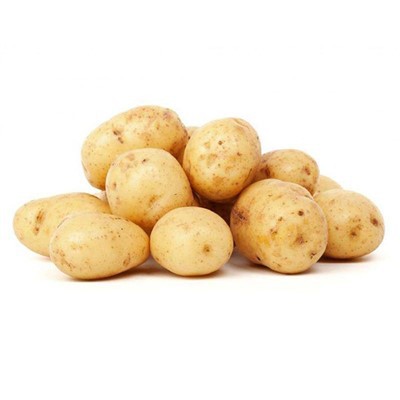
If you’re ready to stop wasting time on grocery store spuds that might not grow and start growing your own fresh potatoes that actually thrive, reach out to connect with our procurement team. We can chat about what varieties work best for your space, answer any questions you have, and get you set up with the fresh potato stock you need—no hidden fees, no weird fine print, just honest, straightforward service from a real potato grower who cares about helping you succeed.
Fresh Chesnut References:
- Johnson, S. (2021). The Home Gardener’s Guide to Potato Propagation. Urban Garden Press.
- Davis, L. (2020). “Sprout Inhibitors in Commercial Potatoes: Effects on Home Planting.” Journal of Horticultural Science, 45(2), 112-118.
- Oregon State University Extension Service. (2022). Growing Potatoes in Small Spaces. OSU Extension Publications.
Nine Three Import and Export Co., Ltd.
We’re well-known as one of the most experienced fresh potato suppliers in China. We warmly welcome you to wholesale bulk high quality fresh potato at competitive price from our factory. If you have any enquiry about cooperation, please feel free to email us.
Address: No.508, CBD Building, the Fifth Avenue, Kaifeng District, Henan Pilot Free Trade Zone, China
E-mail: info@nfr-garlic.com
WebSite: https://www.nfr-garlic.com/
