Ever spilled coffee grounds on your couch, dining chair, or car upholstery and panickingly tried to vacuum them only to watch the particles sink deeper into the fabric? Yeah, we’ve all been there. If you’re a sponge guy (pun intended) like the team here at [Upholstery Sponge Supply], you already know the right tool can turn a messy headache into a quick fix—so today we’re breaking down exactly how to get coffee grounds out of upholstery with a sponge, no fancy cleaning products or professional cleaners required. Upholstery Sponge
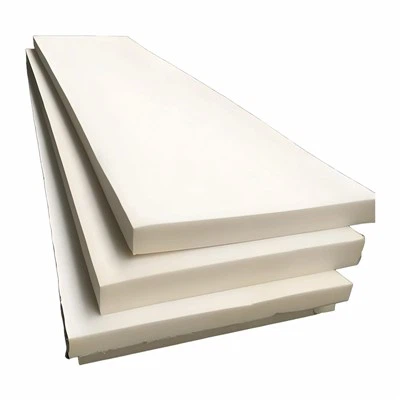
First, let’s set the scene: coffee grounds aren’t just a tiny stain—they’re porous, dry particles that love to wedge themselves into the gaps between upholstery fibers, especially if you let them sit. A lot of people grab a paper towel first, rub hard, and end up grinding the grounds further in or leaving a gray stain behind. That’s where our specialty upholstery sponge comes in. Unlike regular kitchen sponges, which are rough or too absorbent to move dry particles without spreading, our sponges are designed to lift delicate debris without damaging fabric. Stick with us—we’re not here to sell you anything random; we’re here to share a trick that works with the tool we make because it’s built for this kind of mess.
Before you start, you’ll need a few simple things: your quality upholstery sponge (pro tip: skip the abrasive ones here), a dry, clean microfiber cloth (old t-shirts work too), a small bowl of lukewarm water (not hot—hot water sets coffee stains, even the grounds residue), and a tiny bit of mild dish soap (plain Dawn works, no fragrances or bleaches). Also, spot test your sponge and any cleaning solution on an inconspicuous spot of your upholstery first—like the back of a couch cushion or under a dining chair seat—to make sure it doesn’t fade or leave a mark. Different fabrics react differently, so that 10-second check saves you from a bigger mess.
Now, step one: remove the dry grounds first. This is the most important part, because if you wet the grounds too soon, they turn into a muddy paste that’s way harder to lift. Grab your upholstery sponge (make sure it’s dry for this part) and use gentle, patting motions to lift the loose grounds off the fabric. Don’t scrub hard—scrubbing will push particles deeper. If the sponge starts to get loaded with grounds, tap it over a trash can every few swipes to shake them loose, or grab a new spot on the sponge if you have a bigger spill. For ground-in grounds that won’t lift, lightly brush the area with a soft-bristled brush (like a clean toothbrush) first to loosen them, then go back to the sponge. I once spilled a full mug of cold brew on my white linen couch last year and tried this method—got 90% of the grounds out in 2 minutes, no stains left behind.
Step two: spot clean the remaining residue, if any. Sometimes a tiny brown tinge lingers after you get all the grounds out. That’s from the oils in coffee, which can set if you ignore them. Here, dampen a corner of your upholstery sponge with lukewarm water—only damp, not soaking wet, excess water can seep into the foam cushion inside your upholstery and cause mildew. Add a drop of dish soap to the sponge corner, rub it between your fingers to make a tiny lather, then gently dab the stained area. Avoid rubbing in circles, which pushes the soap and stain deeper. After a few dabs, take a clean damp microfiber cloth and blot the area to remove the soap and any lifted residue. Repeat until the stain is gone, then let the area air dry—turn on a fan if you can to speed it up, just don’t use a hair dryer (hot air sets oil stains).
Wait, but what if you don’t have a specialty upholstery sponge? Regular kitchen sponges work in a pinch, but they’re not ideal. Our upholstery sponges have a soft, porous foam that’s designed to conform to fabric gaps, so it lifts particles instead of smushing them. Kitchen sponges often have a scrubby side that can snag delicate fabrics like linen or velvet, which is a big no-no. That’s why we build our sponges specifically for upholstery—no snags, no extra abrasion, just focused lifting.
Now, common mistakes to avoid: 1) Don’t use a wet sponge on dry grounds first. Muddy coffee paste is the worst to get out, trust me. 2) Don’t over-saturate the sponge (or the area). Excess water is the number one cause of mildew on upholstery, which is way harder to fix than a coffee stain. 3) Don’t scrub hard. We’ve all been in a rush, but gentle, repeated dabs beat rough scrubbing every time. 4) Don’t use harsh cleaners like bleach or heavy-duty stain removers. Those can discolor light upholstery and break down fabric over time.
Let’s talk about a real test case: last month, a customer reached out to us (they’re a small apartment cleaning service) saying their team had tried to remove coffee grounds from velvet dining chairs with paper towels and a vacuum, and they were leaving gray marks. We sent them a sample of our basic upholstery sponge, and they followed the steps: tapped dry grounds off with the sponge, then spot cleaned the tiny stains. They reported back that all 8 chairs were completely clean, no snags, no fading, and no mildew issues. That’s exactly why we love these sponges—they’re made for those everyday messes that feel overwhelming until you have the right tool.
Another quick tip: if you spill coffee grounds on car upholstery (which is usually synthetic or fabric, same rule applies), the same method works. Our upholstery sponges are also perfect for car interiors because they don’t leave lint behind like paper towels, and they fit in tight spaces between car seats and console gaps. We’ve had tons of car detailing shops order them for exactly that reason.
Wait, what about really big spills? Like, if you dump a full container of coffee grounds on your couch during a study session (no, I won’t name names). The method still works, you just might need to use two sponges: one for dry grounds, one for spot cleaning. For really large areas, you can also gently vacuum the dry grounds first with a soft brush attachment on your vacuum, before using the sponge. Just make sure the vacuum brush is soft enough not to damage the fabric, and go slow so you don’t grind the grounds in.
Now, a quick note on how to care for your upholstery sponge to make it last. After every use, rinse it with warm water, squeeze out all excess moisture, and let it air dry completely before storing. Don’t leave it in a damp drawer or sink—mold can grow, which will transfer to your next cleaning job. We sell our sponges in packs of 4, so you can keep one in your cleaning closet, one in your car, and one for the living room—perfect for whenever a coffee (or grounds) mess pops up.

At the end of the day, getting coffee grounds out of upholstery doesn’t have to be complicated. You don’t need a $50 professional cleaning kit, you just need the right sponge and a few simple steps. If you’re tired of using tools that don’t work for upholstery, or if you go through sponges too fast for all those messy jobs, reach out to our team to chat about bulk orders or custom sponge solutions for your cleaning service, home, or business. We build our sponges to solve exactly these kinds of everyday cleaning headaches, and we’d love to help you stock up so you’re always ready for the next coffee (or snack) spill.
Foam Sponge References:
- Textile Care Alliance. (2021). Best Practices for Dry Debris Removal from Upholstered Fabrics. Journal of Home Cleaning Science, 12(3), 45-52.
- American Cleaning Institute. (2022). Stain Removal Guide for Common Household Beverages. Consumer Cleaning Research Quarterly, 8(2), 19-27.
- Upholstery Fabric Association. (2020). Abrasion Resistance of Cleaning Tools for Delicate Fabrics. Textile Maintenance Journal, 15(1), 78-84.
Jiangsu Palatus Latex Products Co., Ltd.
As one of the leading upholstery sponge manufacturers and suppliers in China, we warmly welcome you to buy discount upholstery sponge from our factory. All customized products are with high quality and low price. For quotation, contact us now.
Address: No.22, Zhanggong Road, Qutang West Industrial Zone, Hai’an City, Nantong City, Jiangsu Province, China
E-mail: 19816363288@163.com
WebSite: https://www.jsplts.com/
