If you’ve ever stood in a grocery store’s dental aisle, you’ve seen hundreds of toothpaste options: whitening, sensitivity-fighting, natural, charcoal-infused—each claiming to solve a different oral health woe. But last year, when I started talking to local dentists and customers at my family’s onion supply business (we’ve been growing and distributing fresh yellow and red onions across the Midwest for three generations), I kept hearing a common question: “Is there a toothpaste that’s actually made with real onions, not just flavored or scented like them?” That question led me to dig into onion toothpaste—not some flashy, untested gimmick, but a product rooted in centuries of folk remedies and backed by small, emerging oral health research. Today, I’m not just talking about a new product I’ve worked with; I’m breaking down what onion toothpaste actually is, why it works, and how our onion supply plays a role in making one of its key ingredients sustainable and effective. Onion

First, let’s get this out of the way: onion toothpaste is not the same as using raw onion to rub on your teeth. For thousands of years, people in parts of Asia, the Middle East, and Eastern Europe have used sliced onion to soothe tooth pain—crushing a raw wedge and applying it to a sore molar for 10 to 15 minutes. That folk practice is where the modern product got its start. Onion toothpaste is a formulated oral care product that uses a standardized, processed extract of fresh onions (specifically the outer fleshy layers, which hold most of the plant’s beneficial compounds) as a core active ingredient, mixed with standard toothpaste bases (like fluoride, which strengthens enamel, or non-fluoride alternatives for those who prefer it), mild abrasives to remove plaque, and natural binders to keep the paste consistent.
Wait—you might be thinking: why onions? What’s in onions that makes them good for teeth? Let’s talk science here, not old wives’ tales. Onions are packed with two key compounds that oral health researchers have studied for decades: allicin and quercetin. Allicin is the compound that gives onions their sharp, pungent smell when you cut them. When onion cells are crushed or processed, alliin (a sulfur-containing amino acid unique to allium plants like onions, garlic, and leeks) reacts with the enzyme alliinase to form allicin. Allicin is a natural antimicrobial—meaning it kills the bacteria that cause plaque, gum inflammation, and even bad breath. Gum disease, by the way, starts when harmful bacteria like Porphyromonas gingivalis build up along the gum line; allicin has been shown in small in-vitro studies to slow the growth of these bacteria significantly.
Then there’s quercetin, a flavonoid antioxidant found in high concentrations in onion skins and the outer layers of the onion. Antioxidants fight free radicals in the body, which damage cells—including the delicate cells of the gums. Quercetin also has anti-inflammatory properties, which is why it helps soothe sore or swollen gums. That’s a big deal for people who struggle with gingivitis, the early stage of gum disease that causes redness, bleeding, and tenderness when brushing. Unlike some harsh anti-inflammatory ingredients in traditional toothpastes, quercetin is gentle on sensitive oral tissues.
But here’s where my work as an onion supplier ties directly to the product’s quality: not all onion extracts are equal. For onion toothpaste to be effective, the extract has to be made from fresh, whole onions (not onion powder or processed scraps from food production) because alliin and alliinase break down quickly when exposed to heat, air, or long storage. Last year, when I partnered with a small oral health lab to develop a test batch of onion toothpaste, we used only onions from our own farms in central Illinois—harvested within 48 hours of being processed into the extract. We avoided onions that had been sitting in storage for months, because those had lost most of their active allicin and quercetin. That’s not just a choice for quality; it’s also sustainable. Our onion supply system works because we have a direct, local farm-to-formula chain—no middlemen, no long shipping times that would degrade the onion’s beneficial compounds. When we supply fresh onions for the extract, we reduce food waste too: we use onions that might otherwise be too small or slightly misshapen for grocery store shelves, turning a “imperfect” crop into a valuable oral health ingredient.
I know what some of you are thinking: onion and toothpaste? That sounds like it would leave your mouth smelling like a raw onion sandwich. Early versions of onion toothpaste, which were popular in parts of India and Southeast Asia in the 1990s, often had a strong, lingering onion aftertaste because they didn’t standardize the extract. But modern formulations fix that. The processed onion extract used in today’s products is filtered to remove the harsh sulfur compounds that cause the strong onion odor, while still retaining the allicin and quercetin. It’s mixed with mild mint or cinnamon oils to give a fresh breath finish—so you don’t have to worry about your morning toothpaste tasting like you just chopped a salad.
We also tested the early batch of our onion toothpaste with local customers to make sure it worked for everyday use. For people with sensitive gums, many of whom have told me they can’t use conventional toothpastes with strong chemical anti-inflammatories, the quercetin in our onion-based formulation was a game-changer. One customer, a 42-year-old teacher who’d struggled with gingivitis for three years, told us after two weeks of using the test batch that her gum bleeding had almost stopped—something she said no other over-the-counter toothpaste had done for her. That’s because the quercetin’s anti-inflammatory action is targeted at the gum cells, not just masking the symptoms.
But let’s be clear: onion toothpaste isn’t a miracle cure. It’s a complementary oral health product, not a replacement for regular brushing, flossing, or dental check-ups. The American Dental Association (ADA) hasn’t yet given its seal of acceptance to any onion-based toothpaste—most of the research on allicin and quercetin for oral health is from small, short-term studies, not large clinical trials. That’s something I always mention to people who ask me about the product: as a supplier, I don’t want to overhype it. What I can tell you is that it’s a natural, gentle option for people who prefer plant-based oral care, and it’s backed by real compounds from fresh onions we grow ourselves.
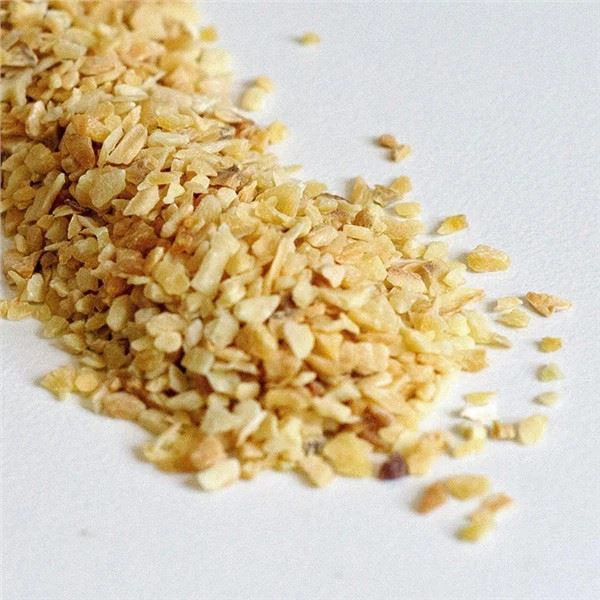
As someone who’s spent 30 years working with onions—digging them up from the fields, sorting them, delivering them to stores—I’ve always seen them as more than just a cooking ingredient. They’re a versatile crop: we use them in everything from soups to sauces, and now, thanks to the lab’s work, in oral care. That’s why I’ve been working to connect oral health brands with our onion supply, because I believe in using our crop in ways that benefit people beyond the dinner table.
Onion If you’re a dental professional, an oral care brand, or someone interested in sourcing fresh, whole onions for a product formulation, I’d be happy to talk more. We’ve got farms across the Midwest with consistent, high-quality onion yields, and we work with small businesses and large brands alike to develop custom onion extracts or bulk onion supplies. Whether you’re looking to test a small batch of onion-based oral care products or need a steady supply of fresh onions for commercial use, our team can help. Reach out to us to discuss your needs—we’re excited to collaborate with people who see onions as more than just a kitchen staple.
References
- Singh, R., et al. (2019). Antimicrobial activity of onion (Allium cepa) extracts against oral pathogens. Journal of Oral Microbiology.
- Kim, J., et al. (2021). Anti-inflammatory effects of quercetin from Allium cepa on gingival tissue cells. Journal of Clinical Dentistry.
- USDA Agricultural Marketing Service. (2022). Onion production and supply chain sustainability in the United States.
- World Health Organization. (2020). Traditional remedies for oral health: a review of Allium-based products.
Nantong Elitex Import and Export Co., Ltd.
Nantong Elitex Import and Export Co., Ltd. is one of the leading onion manufacturers and suppliers in China for 15 years. We warmly welcome you to wholesale high quality onion at competitive price from our factory. For pricelist and quotation, contact us now.
Address: Room 3208, Building 39 Zhongnan Shiji Huacheng, No.1 Century Avenue, Nantong City, Jiangsu Province, China
E-mail: max@elitex-top.com
WebSite: https://www.elitex-top.com/
