As a supplier of PP cross weaving fabric, one of the most common questions I get from clients—whether they’re new to the industry or seasoned professionals looking to refine their material specs—is “What is the breaking strength of PP cross weaving fabric?” It’s a fair question, because breaking strength isn’t just a number on a spec sheet; it’s the backbone of how your product will perform, whether you’re using this fabric for bulk agricultural packaging, construction silt fences, reusable shopping bags, or industrial geotextiles. For years, I’ve walked clients through the difference between raw material specs, manufacturing variables, and real-world performance, and I’ve seen firsthand how a misunderstanding of breaking strength can lead to costly mistakes—like a crop bag tearing mid-transport, or a silt fence failing during heavy rain. Let’s break this down honestly, no jargon, no overinflated claims, just the real facts about PP cross weaving fabric strength. PP Cross Weaving Fabric
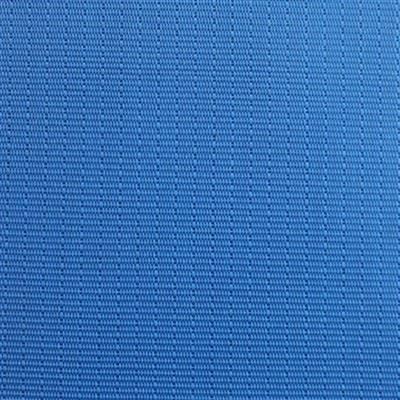
First, let’s start with the basics: what is PP cross weaving fabric, exactly? Polypropylene (PP) is a lightweight, thermoplastic polymer chosen for its durability, resistance to moisture and chemicals, and low cost—perfect for applications where strength matters but budget does too. Cross weaving (also called cross-lapping or cross-hatched weaving) means we interlace warp and weft threads at right angles, but instead of a standard plain or twill weave, the threads are arranged in a crisscross pattern that distributes stress more evenly. Unlike a unidirectional fabric, where all strength runs along one axis, cross weaving gives the fabric consistent strength in both vertical and horizontal directions. That’s a game-changer for loads that will pull in multiple directions—like a full grain bag being lifted from any side, or a silt fence stretched between posts.
Now, breaking strength, in simple terms, is the amount of force needed to pull a fabric apart completely. It’s measured in pounds per inch (lb/in) or kilonewtons per meter (kN/m), depending on the region. For PP cross weaving fabric, this number isn’t a one-size-fits-all figure. It depends on three core factors: the thickness and denier of the PP threads, the weave density, and the manufacturing process used to treat the fabric for UV resistance. Let’s go through each, because this is where suppliers often give a generic number that doesn’t apply to your specific needs.
First, thread denier and thickness. Denier is a unit that measures the weight of 9,000 meters of a fiber—higher denier means thicker, stronger threads. For standard weight PP cross weaving fabric, which we use for everyday agricultural bags or light-duty shopping bags, we work with 600D to 900D PP threads. The breaking strength here usually falls between 25 lb/in (4.4 kN/m) and 50 lb/in (8.8 kN/m) in both directions. But for heavy-duty applications—like bulk FIBC (flexible intermediate bulk container) bags holding 1,000+ pounds of grain or construction materials—we use 1200D to 1500D threads. That pushes the breaking strength up to 60 lb/in (10.5 kN/m) to 80 lb/in (14 kN/m), sometimes even higher for specialized industrial grades. I had a client last year who was using a 600D fabric for their cat litter bags, and they kept having bags tear during loading at the port. We switched them to 900D cross weave, and the tear rate dropped from 12% to less than 1%—that’s the difference the right thread makes.
Second, weave density. Weave density is how many threads per inch are woven into the fabric. A tighter weave—more threads per inch—means more points of contact between threads, which distributes force better and boosts breaking strength. A lightweight, open weave for landscaping fabric might have 12 threads per inch, giving a breaking strength of around 20 lb/in, while a heavy-duty cross weave for FIBCs can have up to 25 threads per inch, upping strength significantly. It’s a balance, though: too tight a weave makes the fabric stiff and less flexible, which is bad if you need to fold it or load it into a shipping container. We always adjust density based on the end use, not just to hit a high strength number.
Third, and this is a big one most clients overlook: UV stabilization. PP is naturally resistant to moisture, but it breaks down when exposed to sunlight for long periods. If you’re using PP cross weaving fabric for outdoor applications—silt fences, shade cloth, construction tarps—you need UV-stabilized PP threads. The UV additives (usually carbon black or hindered amine light stabilizers, HALS) don’t just extend the fabric’s lifespan; they also affect breaking strength. Raw, untreated PP threads lose about 30% of their strength after six months of outdoor exposure. UV-stabilized threads retain 85% or more of their breaking strength for 2-5 years, depending on the grade. I learned this the hard way early in my supplier career: a customer ordered 10,000 feet of non-UV-stabilized cross weave for a highway silt fence, and within three months, half the fabric was brittle and tearing during spring storms. We corrected that for them, but it taught me that breaking strength isn’t just the factory test number—it’s the strength you have when the fabric is in use, not straight off the roll.
Now, let’s talk about how we test breaking strength, because not all tests are created equal. The standard test for woven fabrics is the ASTM D5035 method, which measures the force required to break a 1-inch wide strip of fabric pulled at a rate of 12 inches per minute. But some suppliers use a different test, or test only the warp direction (vertical) and not the weft (horizontal), or use wet fabric instead of dry. Our company tests every lot of PP cross weaving fabric twice: once when it’s dry, right off the loom, and once after it’s been submerged in water for 24 hours (to simulate agricultural or marine use) or after 1000 hours of accelerated UV exposure (to simulate outdoor use). For example, our UV-stabilized heavy-duty cross weave fabric has a dry breaking strength of 75 lb/in, and after UV exposure, it’s still 62 lb/in—well above the minimum requirement for FIBCs, which typically need a 55 lb/in breaking strength.
I often get asked: “What’s the minimum breaking strength I need for my project?” The answer depends entirely on what you’re using the fabric for, and how it will be installed. For small, indoor reusable shopping bags, a minimum of 30 lb/in breaking strength is enough. For agricultural produce bags holding up to 50 pounds of vegetables, aim for 40 lb/in. For FIBC bags holding 2,200 pounds of material, you’ll need a minimum of 55 lb/in, and we recommend 65 lb/in for extra safety margin. For silt fences that need to hold back soil during heavy rain, we use a 70 lb/in UV-stabilized cross weave, because the fence will be stretched between posts and pull from all directions.
There are also common misconceptions about breaking strength. Some clients think a higher denier always means a higher breaking strength, but that’s not true if the weave is loose. A 1500D thread woven into a 12 threads per inch fabric will have a lower breaking strength than a 900D thread woven into a 20 threads per inch fabric, because the loose weave can’t hold the threads together. Another misconception: cross weave fabric is stronger than plain weave, which is mostly true because the crisscross pattern distributes stress. A plain weave fabric of the same thread count will have a more uneven strength, with weaker points where the threads cross, while cross weave creates a more uniform strength across the entire fabric.
As a supplier, we don’t just sell a “standard” PP cross weaving fabric with a fixed breaking strength. We work with each client to tailor the fabric to their needs. For example, a few months ago, a construction company came to us needing fabric for temporary ground stabilization at a highway job site. They had tried two other suppliers’ fabrics, both of which tore after a week of use when heavy equipment drove over them. We recommended a custom cross weave fabric with 1200D UV-stabilized threads, 22 threads per inch, and a breaking strength of 72 lb/in. They ordered 50,000 square feet, and after three months of heavy equipment use and rain, their team reported zero tears. That’s the value of understanding breaking strength—not just giving a number, but matching that number to the real demands of your project.
If you’re shopping for PP cross weaving fabric, don’t just ask for a “high breaking strength” number. Ask for the test data: what’s the breaking strength in both warp and weft directions? Is it tested dry, wet, or after UV exposure? What thread denier and weave density was used? And ask for a sample, so you can test it yourself. Pull a 1-inch strip from the fabric, grab both ends, and pull—you’ll get a feel for how much force it takes to break it. If it tears easily, it’s not the right grade. If it’s tough to pull, and doesn’t break clean, that’s a fabric with good breaking strength for its intended use.
At the end of the day, breaking strength is a critical specification, but it’s not the only one. You also need to consider UV resistance, moisture resistance, tear strength (which is different from breaking strength—it’s the force needed to spread a hole in the fabric), and cost. But as someone who’s been supplying PP cross weaving fabric for over a decade, I can tell you that choosing the right breaking strength for your application will save you money, reduce waste, and make your end product more reliable.
If you’re ready to discuss your specific needs—whether you need fabric for agricultural packaging, construction, geotextiles, or any other application—reach out to our team for personalized guidance. We’ll provide detailed test data, custom grade options, and samples so you can make the right choice for your project.
PP Woven Fabric References
- ASTM International. (2020). Standard Test Method for Breaking Strength and Elongation of Woven Fabric (Grab Test). ASTM D5035-20.
- The Textile Institute. (2018). Polypropylene Woven Fabrics: Properties and Applications. Textile Progress.
- American Association of State Highway and Transportation Officials. (2021). Standard Specifications for Highway Bridges: Geotextile Strength Requirements. AASHTO M288-21.
- International Organisation for Standardization. (2019). Plastics – Polypropylene (PP) Homopolymers and Copolymers – Moulding and Extrusion Materials. ISO 1873-1:2019.
Nanping Kingway New Material Co., Ltd.
As one of the most professional pp cross weaving fabric manufacturers and suppliers in China, we also support customized service. With abundant experience, we warmly welcome you to wholesale durable pp cross weaving fabric in stock here from our factory. If you have any enquiry about pricelist, please feel free to email us.
Address: No. 10, Chengnan Branch Road, Chengjiao Town, Nanping, Fujian, China.
E-mail: npjwxcl@aliyun.com
WebSite: https://www.suernew.com/
