What’s up, fellow gearheads and anyone trying to nail down their ride’s alignment? If you’ve ever messed around with a vehicle’s rear end, you’ve probably heard of a Panhard rod—those unsung heroes that keep your axle from shifting side to side when you’re cruising or tearing up a backroad. As someone who’s been supplying Panhard rods for years now, I’ve seen it all: folks over-tightening bolts, skipping prep steps, and even using the wrong tools, which leads to wobbly axles, uneven tire wear, or worse. Today, I’m breaking down how to install a Panhard rod right, no fancy tech degree required—just some solid tips I’ve picked up from working with hobbyists and mechanics alike. Panhard Rod

First, let’s keep it real: you don’t need a garage full of tools, but you do need the basics. A floor jack, jack stands, a socket set (metric or standard, depending on your ride), a torque wrench, some penetrating oil (WD-40 works, but PB Blaster’s a game-changer for rusted bolts), and a friend to help spot things if you’re working alone. Before you even grab the rod out of the box, do your homework: make sure you’ve got the correct part for your vehicle. I’ve had so many people come to me with the wrong Panhard rod because they just grabbed the first one off a shelf—each rod’s length, mounting hole spacing, and load rating is specific to your make and model. That’s why, as a supplier, we always ask for your year, make, and model first; no point in wasting time on a part that won’t fit.
Now, the first step is prepping your vehicle safely. Never work under a car that’s just on a jack—jack stands are non-negotiable here. Jack up the rear end so the axle is hanging slightly, not fully compressed. Why? Because when the suspension’s at its natural rest position (not compressed), your Panhard rod will sit correctly, which keeps your alignment on point long after installation. If you compress the suspension all the way first, once you lower it, the rod might be too tight or too loose, throwing your alignment off. Pro tip: slide the jack under the differential to lift it evenly, so the axle doesn’t tilt to one side.
Next, locate the old Panhard rod (if you’re replacing one) or the mounting points if it’s a new build. The Panhard rod connects two spots: one on the frame (usually near the front of the rear axle, driver or passenger side) and one on the axle itself. Those bolts that hold the old rod in? They’re probably rusted or gunked up. Spray penetrating oil on them 10-15 minutes before you try to loosen them—do not crank a socket on a rusted bolt, you’ll strip it and end up with a way bigger headache. If it’s a brand new vehicle without a rod installed, clean the mounting holes on both the frame and axle with a wire brush to get rid of dirt, rust, or paint—this helps the new rod’s bushings seat properly, no grit getting in there to cause wear later.
Now, handling the new Panhard rod. When you unbox it, check for damage first—bends, scuffed bushings, or loose ends. If something looks off, hit us up right away; we’ll swap it no questions asked. Our Panhard rods come pre-greased for the bushings, but if you’re installing one in extreme weather (hot desert or freezing cold), a little extra lithium grease on the bushing sleeves won’t hurt. Slide the rod into place loosely first—don’t tighten any bolts yet. This is where a friend helps: hold the rod so both ends line up with the mounting holes on the frame and axle. If the holes don’t line up right, don’t force it—loosen your jack a tiny bit to adjust the axle’s position, or spin the rod slightly until the holes align. Forcing a misaligned bolt will bend the rod or damage the bushings, which ruins its function.
Once the bolts are finger-tight (meaning you can turn them by hand without much effort), double-check that the rod is straight, no twists, and that the axle isn’t shifted left or right. A lot of people skip this step, but it’s make-or-break. If the rod’s twisted, it’ll pull the axle to one side every time you drive, leading to uneven tire wear and even steering issues. After you’ve confirmed it’s sitting straight, it’s time to torque the bolts to the right spec. This is where a torque wrench matters—don’t just crank them as tight as you can. The spec will be in your vehicle’s service manual, but as a supplier, I’ll tell you this: most Panhard rod bolts torque to between 45 and 65 ft-lbs, depending on the vehicle. Too loose, and the rod will wobble; too tight, and you’ll compress the bushings so much they wear out in a few months.
After the first side’s torqued, go back and check the bushing mounts. Bushing compression is key here—if the bushing is flat or has no give, you overtightened. The goal is slight, consistent compression, so the rod can move a little with the suspension instead of being rigid. Now, repeat the process on the other end of the rod if it’s a two-end mount (some rods are one end on the frame, one on the axle, both need torquing).
Once everything’s tight, lower the vehicle off the jack stands slowly. Don’t just drop it—let the suspension settle naturally, so the Panhard rod finds its proper position. Once it’s all the way down, take it for a test drive around the block. Listen for any clunking or rattling from the rod area—if you hear that, something’s loose. Also, pay attention to how the car tracks: if it pulls left or right without you steering, that’s a sign the rod’s installed wrong or the alignment’s off. If that happens, double-check your torque specs and make sure the rod isn’t twisted.
Now, a few mistakes I see all the time that you should avoid. First, using a cheap Panhard rod from a random seller—those often have flimsy bushings or are made of weak steel that bends under load. That’s why we build all our rods with heavy-duty steel and polyurethane or rubber bushings that last way longer than budget options. Second, skipping alignment after installation. Even if you do everything right, installing a Panhard rod can shift your rear alignment a tiny bit, so getting a 4-wheel alignment done at a shop is a good idea, especially if you’re driving on the highway regularly. Third, not maintaining the rod. Every 6 months, spray the bushings with silicone spray or grease to keep them from drying out—old, dry bushings cause clunking and reduce the rod’s effectiveness.
Wait, also—what if you’re building a custom rig, not replacing an old rod? A lot of off-road folks come to us for custom Panhard rods, and the same rules apply, but you might need to adjust the length based on your axle width. As your supplier, we can help you pick the right length for your build—just tell us your axle width and ride height, and we’ll hook you up. No guesswork needed.
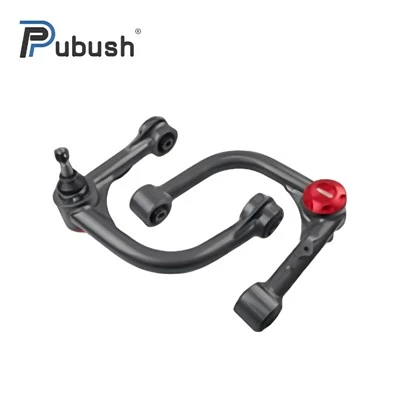
At the end of the day, installing a Panhard rod isn’t rocket science, but it does need attention to detail. Do it right, and you’ll have a stable, aligned vehicle that handles way better than before. If you’re working on a project, need a replacement, or even have questions about custom builds, hit us up to chat about what you need. We’re not just a supplier—we’re gearheads too, so we get how important your ride is. Don’t mess around with wrong parts or shoddy installs; get it right the first time.
Skid Plate References
- Vehicle Service Group. (2022). Service Manual: Rear Suspension Alignment for Passenger Vehicles.
- Off-Road Magazine. (2021). "Essential Suspension Upgrades: Panhard Rod Installation Basics".
- Rubber Manufacturers Association. (2020). "Bushing Maintenance Tips for Automotive Components".
- National Highway Traffic Safety Administration. (2019). "Vehicle Alignment and Steering Safety Guidelines".
Xingtai Refined Machinery and Auto Accessory Co., Ltd.
Xingtai Refined Machinery and Auto Accessory Co., Ltd. is one of the most professional panhard rod manufacturers and suppliers in China, featured by quality products and low price. Please rest assured to wholesale durable panhard rod made in China here from our factory. Customized orders are welcome.
Address: XINGTAI REFINED MACHINERY AND AUTO ACCESSORY CO., LTD507 NORTH TAIHANG ROAD, XINGTAI CITY, HEBEI PROVINCE, PR.
E-mail: lindy@rfauto.biz
WebSite: https://www.pubush-suspension.com/
