Hey everyone, Bar Stools
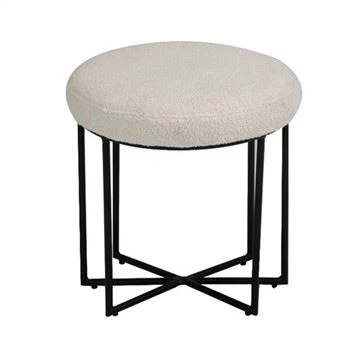
If you’ve ever stood in a kitchen store or stared at your own kitchen layout while picking out bar stools, you’ve probably wondered this: do bar stools actually need to match your kitchen cabinets? I mean, I’ve been in the bar stools game for over a decade now—working with homeowners, contractors, interior designers, and even the occasional DIY-er who’s winging it on a budget—and this question comes up more than you’d think. Today, I’m gonna break this down like I do with my regular clients: no fancy jargon, just real talk about what works, what doesn’t, and why matching isn’t always the hard rule people make it out to be.
Let’s start with the basics. First, why do people even ask if they need to match cabinets? Most of the time, it’s the “cohesive kitchen” thing you see on Instagram or Pinterest. Those perfectly staged kitchens where every single piece is the same wood, same finish, same vibe—they look great, right? But here’s the thing: those are often photoshopped or staged for a 3-second scroll. Real people’s kitchens aren’t always that polished, and that’s totally fine.
I remember a couple who came to me last year—young, first-time homeowners, bought a house with oak cabinets that were 90s and a little scuffed. They hated the oak but couldn’t afford to replace cabinets right away. They were set on black bar stools because they loved the industrial look, but their friend told them that was “breaking every design rule.” They ended up going for the black stools anyway, and when I dropped off the order, they told me their kitchen felt way bigger and less dated. The oak cabinets still stood out, but the black stools added a pop of contrast that made the whole space feel intentional, not messy. That’s the key word here: intentional. Matching doesn’t equal cohesive, and not matching doesn’t equal clashing.
Now, let’s get into when matching might make sense. If your kitchen is super small—like, tiny galley kitchen with a breakfast bar that’s only big enough for two stools—you want every piece to pull its weight in making the space feel open. If your cabinets are white, and you get white bar stools, the whole area feels seamless instead of having a “break” between the counter and the seating. That makes sense, right? For small spaces, too much contrast can make things feel cluttered. Also, if your cabinets are a really unique finish—like a custom blue matte or a reclaimed wood with super distinct grain—matching stools can tie that custom look together without trying too hard. I worked with a designer once who did a whole kitchen with reclaimed pine cabinets, and she got matching reclaimed pine stools. It looked so warm and grounded, no extra effort needed.
But wait, what about when you don’t want to match? Let’s talk style. If your kitchen is modern with flat, handleless cabinets in gray, adding bar stools with a woven rattan seat and black metal legs? That’s a vibe. It’s modern, but it has a natural, cozy contrast that keeps the space from feeling too cold. Or if your cabinets are bold—like a deep forest green—and you go with stools in a warm cream? That balances the bold color without making the whole thing feel like a circus. I see so many people who think “match” means exact same color, but that’s not the case. Matching can mean matching a texture, not just a shade. If your cabinets have a smooth, matte finish, maybe go for stools with the same matte metal frame, even if the color is different. That’s still cohesive, just not identical.
Another point: functionality. A lot of people forget that bar stools are for sitting, not just looking pretty. If you’re picking stools that are comfortable for hours of homework, snack time, or hosting game nights, function should beat matching. I had a client who had dark brown cherry cabinets, but she wanted bar stools with swivel seats for her kids to use. The only swivel stools she liked were a light gray fabric. She was nervous at first, but her kids use them every single day, and when she invited friends over, no one even mentioned the mismatch. They just talked about how easy it is for the kids to turn around and reach the fridge. Function trumps aesthetics way more than most design blogs let on.
Now, let’s address the myths. Myth #1: If they don’t match, it’ll look “unfinished.” No. Unfinished is when your stools are a random color you picked because it was cheap, not because it worked with your space. Intentional mismatching is a design choice, not a mistake. I have a kitchen in my own home—oak cabinets, white subway tile, and bar stools that are a mix of black wood and cream fabric. People always ask where I got them, and when I tell them I just picked what I liked, they’re surprised it works. It’s because the colors are balanced, not because they match.
Myth #2: You have to stick to the same material. Cabinets are usually wood, laminate, or painted. Stools can be metal, plastic, wicker, or fabric. Mixing materials is totally cool. If your cabinets are laminate white, maybe stools with a metal frame and plastic seats—clean, easy to wipe down, and not matching but still looking good. If your cabinets are reclaimed wood, stools with a metal base add a nice industrial touch that contrasts the warm wood.
Wait, but what about when it does go wrong? Let’s be real—sometimes mismatching is a mistake. If your cabinets are bright red, and you get stools in neon orange, that’s too much contrast. If your cabinets are a warm beige, and you get stools in a cool blue that clashes with everything else in the kitchen (not just the cabinets), that’s a problem. The line between intentional and messy is usually how much else is going on. If your walls are neutral, your backsplash is simple, then you can go bold with stools. If your backsplash has 10 different colors, maybe tone it down a little. That’s where I usually tell my clients to step back and take a picture. If you hold up a stool sample next to your cabinets, does it make you happy? If yes, go for it. If you’re cringing, maybe adjust.
Let’s also talk about budget. A lot of homeowners are on a tight budget, so they might buy stools first and then cabinets, or vice versa. If you’re buying cabinets first, and you find stools you love that are a little different, don’t skip them just to match. I’ve had clients who saved hundreds of dollars by choosing stools that worked with their cabinets instead of replacing cabinets to match stools. If you’re on a budget, prioritizing the stools you’ll actually use (no wobbly legs, uncomfortable seats) is way better than having a perfect match that you hate sitting on.
Another angle: resale value. Wait, does mismatching bar stools hurt resale? I’ve been in the industry long enough to know that buyers look for kitchens that feel like they have personality, not perfect matches. A couple years back, we worked on a flip house where the cabinets were white, and we added black bar stools instead of white ones. The house sold in 3 days, and the agent said the stools were one of the things buyers commented on—they said it felt modern and updated, not generic. If you’re worried about resale, pick neutral stools that go with multiple cabinet colors, but you don’t have to match exactly. Neutral doesn’t mean white or black; it can be a warm gray or a beige that works with any cabinet finish.
Let’s wrap this up with what I tell every single customer when they come to me: Do what makes you happy. If you love the way matching stools look, go for it. If you want to mix it up and make your kitchen feel unique, that’s cool too. The key is to have a reason for your choice, not just a rule you read online. If you’re stuck, here’s a quick trick: pick a color from your cabinets that’s a little off, and use that as an accent. For example, if your cabinets are navy blue, add stools with a navy blue cushion but a white frame. That’s a middle ground—matches the color but not the whole stool. Or use a texture: if your cabinets have a smooth finish, pick stools with a textured seat, even if the color is different. That ties everything together without being identical.
If you’re in the market for bar stools and still not sure whether to match or not, feel free to reach out. I’ve got tons of options—from matching sets to mix-and-match styles—so we can figure out what works for your kitchen, your budget, and your vibe. Just connect with our team to chat through your needs, no pressure, no confusing design jargon.
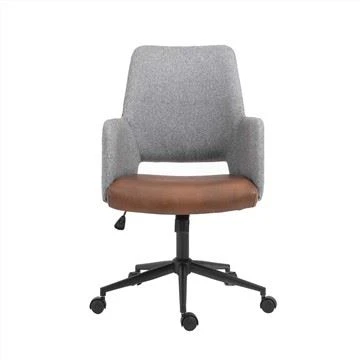
Oh, and one last thing: don’t let anyone tell you your kitchen has to look like a magazine. Your kitchen is for eating, laughing, and making messes. The best bar stools are the ones that feel good to sit on, and the best kitchen is the one that feels like your space. Whether they match the cabinets or not, that’s what matters.
Fabric Arm Chair References:
- Interior Design Magazine. (2022). "The Truth About Cohesive Kitchen Design."
- National Kitchen and Bath Association. (2023). "Function Over Form: Kitchen Seating Guidelines."
- Houzz. (2021). "Homeowner Survey: Kitchen Design Choices That Actually Add Value."
- Architectural Digest. (2020). "How to Mix Furniture Styles Without Clashing."
Anji Partner Furniture Co., Ltd.
Anji Partner Furniture Co., Ltd. is one of the leading bar stools manufacturers and suppliers in China. We warmly welcome you to buy or wholesale high quality bar stools in stock here from our factory. For quotation, contact us now.
Address: Kangyi Road, Kangshan Industrial Park, Dipu Subdistrict, Anji County, Zhejiang Province, China 313300
E-mail: ariespang@ajpartner.com
WebSite: https://www.partnerchairs.net/
