If you’ve spent any time working in skincare formulation, aesthetic clinics, or even basic cosmetic manufacturing, you’ve probably heard the term “face base” tossed around, but few people stop to define what it actually is—beyond a vague reference to a foundational product or an ingredient blend. For years, I’ve supplied face base formulations to brands, small-batch formulators, and clinics, and the biggest misconception I run into isn’t that it’s just a moisturizer or a primer; it’s that it’s a one-size-fits-all product. Today, I want to break down what face base really is, why it’s different from other skincare intermediates, and why a reliable supplier matters if you’re looking to integrate it into your line of products. Face Base
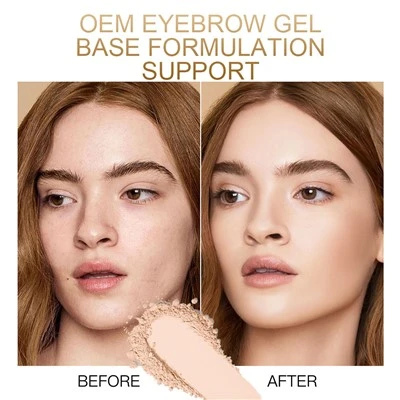
First, let’s get the basics right. Face base, in technical terms, is a semi-finished, customizable skincare or cosmetic formulation that serves as the foundational layer for end products rather than a ready-to-use consumer item. Think of it like a custom cake batter: instead of selling you a finished cake, I give you a blank batter that you can mix in flavors, add-ins, or adjust consistency to make chocolate, vanilla, or even a funfetti version. For face base, that means it’s pre-formulated with core, skin-beneficial ingredients—emollients, humectants, mild surfactants (if it’s a cleansing base), preservatives, and pH adjusters—so formulators don’t have to build every product from scratch.
The key difference between face base and a finished moisturizer or serum is its adaptability. A finished moisturizer is tested, packaged, and labeled for consumers; it’s designed to work for a general audience but has little room for customization beyond maybe a scent variant. Face base, on the other hand, is intentionally flexible. Last month, a small brand that sells sensitive-skin products came to me because they wanted to launch a targeted acne serum, but they didn’t have the lab space to stabilize actives like niacinamide or salicylic acid without irritation. I supplied a fragrance-free, hypoallergenic face base that was formulated with a mild emollient blend and a pH-balancing system, and they added their 2% niacinamide directly to the base to make a product that worked for their specific customer base. That’s the magic of face base: it eliminates the need for custom lab formulation, reduces production time, and cuts down on ingredient waste for brands that are just starting out or testing a new product line.
Not all face bases are created equal, though. When I first started supplying face base 12 years ago, I made the mistake of selling a generic, low-viscosity base that worked for basic lotions but not for more specialized products. I quickly learned that there are different categories of face base, each tailored to a specific end use. Let’s walk through the most common ones:
Cleansing face base: This is the most basic type, formulated with gentle surfactants to remove dirt and oil without stripping the skin’s natural barrier. It’s used to make face washes, micellar waters, and gentle cleansers. A good cleansing face base will have a balanced pH (around 5.5, matching the skin’s natural pH), no harsh sulfates like SLS, and a blend of moisturizing agents to prevent tightness after use. I supply this base to aesthetic clinics that offer private-label cleansers for their patients, because clinics need products that are consistent and gentle enough for post-treatment skin.
Moisturizing face base: This is the workhorse of most brands. It’s formulated with a mix of humectants (like hyaluronic acid or glycerin), emollients (like jojoba oil or shea butter), and occlusives (like ceramides or squalane) to lock in moisture. What makes my moisturizing face base different from generic options is that it’s preservative-stabilized for up to 12 months, which means brands can add their own actives—like retinol or vitamin C—without worrying about the base breaking down. A few years back, a startup brand used my moisturizing base to launch a 10% vitamin C serum; they added the vitamin C directly to the base, and because the base was formulated to be stable at low pH, the vitamin C retained its potency for 6 months after packaging, which meant their customers got the full benefits of the active.
Treatment face base: This is the most specialized type, designed specifically to accommodate high-strength actives. It’s formulated with buffer systems that can neutralize the pH of actives like salicylic acid, tretinoin, or azelaic acid, which are often too acidic to mix with generic bases. I work with a number of dermatologist-led brands that use this type of face base to make prescription-strength topical treatments; the base ensures the actives are evenly distributed, stable, and gentle enough for daily use, even for patients with sensitive or acne-prone skin.
Now, you might be wondering why a brand would choose to use a face base instead of formulating their own products in-house. For small brands or startups, the answer is simple: cost and efficiency. Formulating a skincare product from scratch requires access to a lab, testing for stability and safety, regulatory compliance, and sourcing individual ingredients. For a brand that’s just launching, that can cost tens of thousands of dollars and take months. Using a face base cuts that cost by up to 70% and reduces production time from months to weeks. For example, last year, a team of estheticians who wanted to launch their own line of post-facial products came to me; they didn’t have a formal lab background, so using my pre-formulated face base meant they could focus on testing the end product’s texture and scent, instead of messing with ingredient ratios or stability tests.
But it’s not just for small brands. Larger cosmetic companies use face bases too, especially when they’re launching limited-edition products or testing new markets. Last year, a major international brand used a specialized tinted face base to launch a temporary, skin-nourishing tinted moisturizer for a summer pop-up line. The base was tinted with a mild, blendable pigment that the brand added to the base, which meant they could adjust the shade range quickly to match local skin tones in different pop-up locations. That flexibility is something you can’t get with a finished, pre-made product.
Of course, there are important considerations when choosing a face base supplier, and I’ve seen too many brands make the wrong choice by going for the cheapest option. Let me share what I look for in a supplier, and what I prioritize when I work with clients:
First, transparency. A good supplier will be upfront about what’s in the face base, not hide ingredients behind vague terms like “natural emollient blend.” For example, if a face base says it has “ceramides,” a reputable supplier will specify which type (ceramide 3, ceramide 6-II, etc.) and why it’s included. I always provide a full ingredient list for every face base I supply, along with information about its pH, stability, and recommended actives to add. That way, brands know exactly what they’re working with, and can test how it interacts with their chosen ingredients.
Second, regulatory compliance. Skincare and cosmetic products are heavily regulated, depending on where you’re selling them. A reliable supplier will ensure their face bases are manufactured in facilities that meet current Good Manufacturing Practices (cGMP), and that the formulations are compliant with regulations like the FDA’s cosmetic guidelines in the US, or the EU’s Cosmetics Regulation. I supply face bases only from facilities that are audited regularly, because I know brands can’t afford to launch a product that gets pulled from shelves due to regulatory issues.
Third, customization support. The best face base suppliers don’t just sell a product—they offer support to help brands adapt the base to their needs. For example, if a brand wants to make a face base for mature skin, I can adjust the blend of emollients and antioxidants to include more shea butter or vitamin E. If a brand is making a men’s product, I can strip out any scents or ingredients that are commonly associated with women’s skincare, and adjust the texture to be lighter and faster-absorbing. I work closely with every client to understand their target audience and product goals, so the face base I supply is tailored, not generic.
Finally, testing and stability. A face base is only as good as its stability—if it separates, changes color, or loses its preservative system before the brand can use it, that’s a huge waste of money. I test every batch of face base I supply for stability, both at room temperature and at extreme temperatures (heat and cold) to make sure it stays consistent for the entire shelf life. I also test the preservative system to ensure it’s effective against common bacteria and mold, which is critical for product safety. Over the years, I’ve had clients tell me they switched to a cheaper face base, only to have 20% of their batches go bad due to poor stability. That’s a cost no brand can absorb, which is why I prioritize rigorous testing for every product I supply.
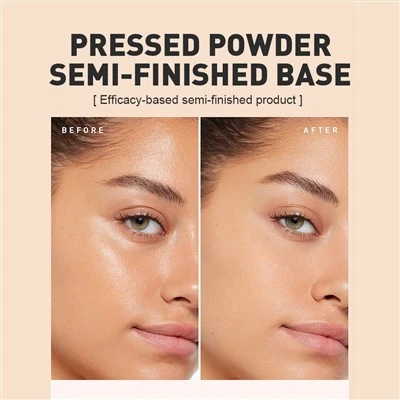
Now, let’s address a common question I get: is face base only for skincare, or does it work for makeup too? The short answer is no, but it’s used extensively in makeup as well. Tinted moisturizers, BB creams, and even some foundations use face base as a foundation layer, with added pigments and colorants. A makeup face base is often designed to have better pigment adhesion and longer wear time, which makes it ideal for makeup products. I supply tinted face bases to makeup brands that want to create a buildable, lightweight foundation without formulating from scratch, and the feedback I get is that it cuts down on production time significantly.
I think part of the confusion around face base comes from the fact that it’s an intermediate product, not an end product, so it doesn’t get the same marketing fanfare as a fancy serum or a viral moisturizer. But without face base, most of the skincare and cosmetic products we use every day would be much more expensive, take longer to launch, and be less accessible. For a consumer, that means more affordable products that are tailored to their specific needs, and for brands, that means the ability to test new products without a huge upfront investment.
Lip Mud Semi-Finished Material If you’re a brand owner, esthetician, or formulator who’s looking to launch a new skincare or cosmetic line, or if you’re currently using a generic face base and running into issues with stability or customization, I’d love to connect. As a face base supplier, I don’t just sell a product—I partner with you to make your vision a reality, whether that’s a gentle cleanser for sensitive skin, a targeted acne treatment, or a tinted moisturizer for your brand. We can discuss your product goals, your target audience, and find the right face base that fits your needs.
Guangzhou Yishengheng Cosmetic Co., Ltd.
As one of the most professional face base manufacturers in China, we’re featured by high quality customized products. Please feel free to buy discount face base in stock here and get pricelist from our factory. Quality products and punctual delivery are available.
Address: Room 1003, 10th Floor, Building B, Suijin Center, No. 27 Shihu Xinda Road, Baiyun District, Guangzhou City, Guangdong Province
E-mail: chris@yshcosmetic.com
WebSite: https://www.yshcosmetic.com/
