If you’ve ever walked past a metal fabrication shop, a woodworking mill, or a construction site, you’ve probably seen a grinding wheel in action. But if you’ve ever stopped to wonder why some of those wheels don’t shatter mid-use, even when they’re spinning at 6,000 RPM or cutting through 2-inch thick steel, that’s all thanks to reinforced grinding wheels. As someone who’s worked in the grinding wheel supply industry for over a decade, I’ve lost count of how many times a customer has called asking for a wheel that can handle heavy, high-stakes work—whether it’s a construction crew cutting rebar in a rain-soaked site or a machinist shaping a precision aerospace component. Today, I want to break down exactly what a reinforced grinding wheel is, how it’s made, why it’s non-negotiable for certain jobs, and what makes it different from the standard wheels you might pick up at a local hardware store. Grinding Wheels
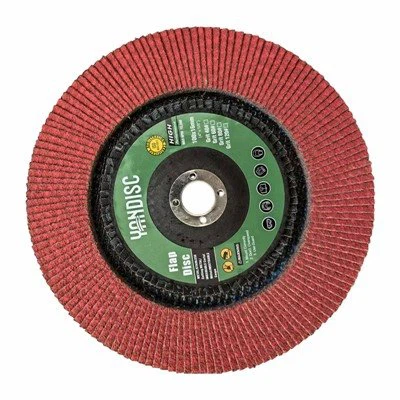
Let’s start with the basics: all grinding wheels are built for one core purpose—abrasion. They’re made of tiny, hard abrasive grains (think aluminum oxide, silicon carbide, or even cubic boron nitride for high-heat applications) bonded together with a material like resin, vitrified clay, or rubber. Those grains do the actual work, shearing off tiny bits of material from whatever you’re grinding. But here’s the problem with regular wheels: they’re essentially a solid disk of abrasive and binder. When you spin them at high speeds, or when you push them hard into a tough, dense material like stainless steel, they develop stress. Over time, or under sudden pressure, that stress can cause the wheel to crack, chip, or even explode. A standard unreinforced grinding wheel is fine for light, low-speed jobs like smoothing down a small piece of wood, but for anything that’s heavy-duty, you need reinforcement.
Reinforced grinding wheels are exactly what they sound like: standard abrasive wheels with an extra layer of strength built in, almost always a thin mesh or mat of fiberglass, woven synthetic fibers, or a combination of both, embedded right into the wheel’s structure. That reinforcement is the difference between a wheel that works for an hour and one that can last months in a high-volume, high-pressure shop. I remember a customer who ran a auto body repair shop called me a few years back because their standard wheels were shattering every other day when they were cutting through heavy rusted frame rails. They were using generic, unreinforced wheels from a big-box store, and by mid-week, they’d gone through 10 or 12. Once we sent them reinforced wheels specifically rated for heavy cutting, that number dropped to one or two a week. The difference wasn’t just in safety—it was in their bottom line, too.
Now, how do manufacturers actually make these wheels? It’s not just tossing a mesh into a batch of abrasive and binder. The process is highly controlled, and the type of reinforcement used changes based on what the wheel is designed to do. Most common reinforced grinding wheels (the kind you’d use with a handheld angle grinder or a bench grinder) use fiberglass reinforcement, usually two layers of woven fiberglass mesh, placed one near the face of the wheel and one near the hub, so the entire disk is wrapped in a strong, flexible, heat-resistant layer. For industrial-grade reinforced wheels, especially ones meant for heavy, high-speed cutting on large pieces of metal, some manufacturers add a second layer of woven aramid fiber (the same material used in bulletproof vests) for extra tensile strength. That’s important because when a wheel is spinning at full speed, the force pulling it apart is enormous—think of a 7-inch diameter wheel spinning at 10,000 RPM: that’s over 100 miles per hour at the outer edge. Without reinforcement, that force will pull the abrasive grains apart, and the wheel will fail.
The reinforcement layer isn’t just about strength, though. It also improves the wheel’s performance in other key ways. For one, it helps control how the wheel wears down. A standard unreinforced wheel can wear unevenly, leading to a lopsided disk that vibrates more, which is bad for both the work piece and the operator. The embedded mesh keeps the wheel balanced, so it grinds smoothly, with less vibration and less risk of accidental slip-ups that can lead to injury or damaged parts. It also helps prevent “wheel burst,” which is one of the most dangerous hazards in grinding work. Wheel burst happens when the centrifugal force on the wheel exceeds its structural limit, sending shrapnel flying at hundreds of miles per hour. Reinforced wheels are tested to strict safety standards—most notably the ANSI B7.1 standard in the U.S., and ISO standards globally—to make sure they can handle that force. Every reinforced wheel we supply is marked with its maximum RPM rating, and I always tell customers to never exceed that number, even if they think they’re using it for a light job. That’s a mistake I’ve seen too many people make, and it’s not worth the risk.
So, when should you use a reinforced grinding wheel? The short answer is: anytime you’re doing heavy grinding, cutting, or blending that puts extra stress on the wheel. Let’s break it down by use case. If you’re a DIYer working on a small project around the home—say, cutting a few pieces of mild steel for a shelf—an unreinforced wheel might work fine, especially if you’re not pushing too hard. But if you’re a professional contractor cutting rebar for a foundation, grinding down thick welds on a construction site, or shaping heavy machinery parts, you need reinforced. Handheld angle grinders, which are used by millions of workers every day, almost exclusively require reinforced wheels because they’re designed to be used with higher torque and more downward pressure. Even bench grinders, which are often used for precision work on smaller parts, can benefit from reinforced wheels if you’re grinding hard metals like tool steel, which puts more stress on the wheel’s surface.
Another common question I get is: what’s the difference between a reinforced grinding wheel and a depressed-center wheel (the kind with a hole in the middle for angle grinders)? A lot of people mix these up, but they’re two separate things. A depressed-center wheel refers to the shape—the center is indented, so it sits flush against the angle grinder’s flange. A reinforced wheel refers to its internal structure. Most depressed-center wheels are reinforced, but not all, and vice versa. For example, some very thin cut-off wheels (designed for cutting very narrow slots in metal) are also reinforced, even though they look like standard thin disks with no depressed center. The reinforcement in thin cut-off wheels is extra important because those wheels are made to be used at very high speeds, and they need to be strong enough to not bend or break during cutting.
I’ve also seen a lot of confusion about which type of reinforcement is best. Fiberglass is the most common, and for most general-purpose jobs, it’s more than enough—it’s cost-effective, heat-resistant, and strong enough for 90% of grinding work. For jobs that are extra heavy, like cutting 4-inch thick steel beams, aramid-reinforced wheels are better because they can handle more tensile force without stretching or breaking. They’re a bit more expensive, but for industrial users, the cost is worth it for the safety and durability. We also supply specialized reinforced wheels for niche applications, like grinding wheel rims for agricultural equipment, which need to handle constant exposure to dirt and debris, or reinforced wheels with aluminum oxide abrasive for stainless steel grinding, which generates a lot of heat that can warp regular wheels.
One thing I always emphasize to customers is that not all reinforced wheels are created equal. A lot of budget brands cut corners on the reinforcement layer—they use thinner fiberglass mesh, or only add one layer instead of two, to save money. That means their wheels might look like reinforced ones, but they don’t meet the ANSI or ISO safety standards, and they’re way more likely to fail. I once had a customer who bought a bulk pack of cheap reinforced wheels from an online marketplace, and half of them were so poorly made that they bent when he installed them on his grinder. When we tested a sample, the fiberglass mesh was half the thickness of a standard layer, and the adhesive holding it to the abrasive was so weak that it peeled off when we ran the wheel at full speed. That’s not a risk anyone should take, especially when you’re working with power tools and heavy materials.
Another key point about reinforced grinding wheels is their maintenance and care. Even the best wheel won’t last if you misuse it. Always store your wheels in a cool, dry place—moisture can damage the abrasive grains and the binder, and it can weaken the reinforcement layer over time. Never use a wheel that’s cracked, chipped, or shows signs of wear before it reaches the end of its life. When you install a new wheel, make sure it’s tightly secured to the grinder, but don’t over-tighten it—you can crack the wheel’s core. And always wear the proper safety gear: safety glasses, a face shield, gloves, and hearing protection. Reinforced wheels are safer, but they’re not indestructible.
Over the years, the technology for reinforced grinding wheels has come a long way. Manufacturers are constantly developing new reinforcement materials, like hybrid fiberglass-aramid blends, and new abrasive combinations that work better with reinforced structures. We’ve seen reinforced wheels that can grind 30% more material than standard wheels, with less vibration and less wheel breakage. That’s a big deal for shops that run on tight deadlines—less downtime from broken wheels means more jobs finished on time, more satisfied customers, and higher profits.
If you’re working in any industry that uses grinding or cutting tools, investing in quality reinforced grinding wheels isn’t just a good idea—it’s a necessity. It’s a small cost compared to the cost of a workplace injury, or the cost of having to replace tools or work pieces because a cheap wheel failed. As someone who’s been in this business for years, I’ve seen first-hand the difference that good, properly reinforced wheels make. I’ve seen construction crews finish a job ahead of schedule because their wheels didn’t break every hour, I’ve seen machinists produce parts with perfect finishes because their wheels were balanced and steady, and I’ve heard dozens of stories about how a reinforced wheel kept a worker safe when a cheap one would have burst.

If you’re looking to upgrade your grinding wheel supply, or you have questions about which reinforced wheel is right for your specific application, don’t hesitate to reach out. We work with contractors, industrial shops, DIYers, and everything in between, and we can help you find the right wheel for your needs, at a price that works for your budget. Whether you’re cutting rebar, grinding welds, shaping metal parts, or any other job that needs a strong, reliable wheel, a reinforced grinding wheel is the way to go.
Aluminum Oxide Flap Disc References
- ANSI B7.1-2020, American National Standard for Safety Requirements for the Use, Care, and Protection of Abrasive Wheels
- ISO 6108:2015, Abrasive Wheels — Vocabulary
- Malkin, S., & Guo, C. (2007). Grinding Technology: Theory and Applications of Machining with Abrasives (2nd ed.). Industrial Press Inc.
- The Fabricators & Manufacturers Association International (FMA). (2021). Abrasive Wheel Safety and Best Practices for Metal Fabrication.
Henan Yandisc Hardware Tools Co., Ltd.
As one of the most professional grinding wheels manufacturers and suppliers in China, our products have good reputation in the market. Please feel free to wholesale high quality grinding wheels made in China here from our factory. Customized orders are welcome.
Address: Zinan Road, High-tech Industrial Development Zone, Zhengzhou, Henan, China
E-mail: info@yandisc.com
WebSite: https://www.yandisc.com/
