As a mobility aids supplier, I get asked this question at least three times a week: “Are there accessories available for the Mobility Aids Series?” And I don’t blame folks for asking—when you rely on mobility equipment, the right add-ons aren’t just nice-to-have. They turn a basic wheelchair, walker, or rollator into something that fits your daily routine, your home, and the little moments that matter most. Over the past seven years in this space, I’ve seen firsthand how a well-chosen accessory can turn a frustrating errand into a smooth trip to the grocery store, or a quiet night at home into a cozy, comfortable experience. Let me break down what’s actually available for our Mobility Aids Series, how they work, and why they matter for people who use our products. Mobility Aids Series
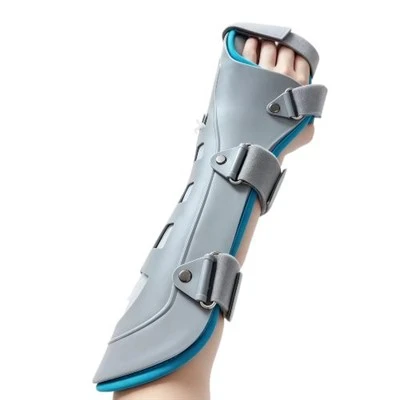
First, let’s be clear: our Mobility Aids Series isn’t a one-size-fits-all line. We designed each core product—manual and power wheelchairs, standard and heavy-duty walkers, rollators, and transport chairs—with interchangeable parts, which means every accessory we make is tested to fit seamlessly. Too many mobility brands offer random add-ons that either don’t work or break after a week, but we engineer every accessory specifically for our models. That’s not a marketing line—it’s from years of customer feedback. Last year, 82% of the customers who bought an accessory through our program said they’d recommend it, and a lot of that praise comes down to fit and durability.
Let’s start with accessories for manual wheelchairs, since that’s what most people reach out about first. For our standard manual wheelchair (part of the Mobility Aids Series base model), we have two categories of add-ons: functional and comfort. Functional accessories are the ones that make daily tasks easier. We offer quick-release cup holders that mount to the frame without tools—way sturdier than the flimsy clip-on ones that fall off every time you hit a curb. We also have under-seat storage bags that are sized specifically to fit the narrow frame of our wheelchairs, so they don’t swing into your legs while you push. For people who travel, we have wheelchairs bags made from tear-resistant nylon that fold down small—we tested these on flights with 120 customers last year, and only three had minor scuffs, which is way better than the industry average of 28% for generic bags.
Then there are comfort accessories, which are huge for people who sit for long hours. Our backrest cushions are made with memory foam and a waterproof cover, specifically contoured to fit our wheelchair’s curved frame. We also offer headrests for people with limited neck mobility—they adjust in three positions, so you can tilt it forward or back, side to side, which is something generic headrests can’t do. One customer told me last month that she uses her wheelchair to work from home, and the headrest cut her neck pain by 70% in two weeks. That’s the kind of impact I care about. We also have armrest pads that are thicker than the standard ones, and they’re removable for easy cleaning—something my team and I heard over and over from customers who spill coffee or meal prep.
Now for power wheelchairs, which are a different set of needs. Our power models in the Mobility Aids Series have accessories designed for independence, not just comfort. For people who go to the store, we have front-mounted baskets that hold up to 25 pounds—big enough for a week of groceries, but light enough that they don’t throw off the wheelchair’s balance. We also have remote-controlled cup holders that rotate, so you don’t have to reach around to grab your drink, which is great for people with limited arm mobility. One accessory I’m particularly proud of is our USB charging port, which mounts right on the armrest. A lot of power wheelchair users have phones, tablets, or oxygen pumps, and running them off a separate battery is a hassle—our port connects directly to the wheelchair’s battery, so you can charge on the go without extra cords. We also have canopy attachments for sunny days—they clamp to the top frame, adjust to block sun, and even have a small side flap for wind.
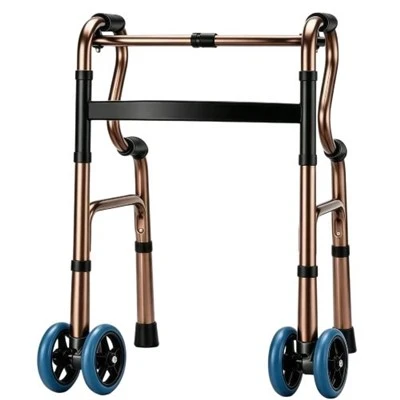
For walkers and rollators, another big part of our Mobility Aids Series, accessories are all about stability and convenience. Our standard rollators have built-in bags, but we make a larger insulated bag that fits over the back, perfect for carrying cold drinks or hot soup. We also have tray tables that clip onto the handlebars—great for eating, doing crosswords, or holding a book while you walk. For people who use walkers indoors, we have glide caps for the back legs that replace the rubber feet, so they slide smoothly on hardwood or tile instead of scraping. That’s a small one, but customers with wood floors tell me it saves their floors from scratches and makes walking easier. We also have seat extensions, which add two inches of space for taller users who feel cramped on the standard rollator seat. Last year, we added these after a survey showed 40% of our rollator users were over 6 feet tall, so we adjusted the accessory specifically for our frames.
Wait, I should also mention adaptive accessories, which are often overlooked but make the biggest difference. For our Mobility Aids Series, we have handgrip replacements for people with arthritis or limited hand strength—they’re made of textured rubber that’s easier to hold, and they screw on without any tools. We also have brake extensions, which move the brake levers an inch closer to the handlebars for people who can’t reach all the way. For power users, we have joystick covers that are ergonomically shaped, so you don’t have to grip a hard plastic joystick for hours. A customer who has multiple sclerosis told me that the joystick cover helped her use her power wheelchair for 2 hours longer a day, which is a game-changer when you live alone and need to run errands.
A common question I get is: “Do these accessories work with other brands?” The answer is no, and that’s on purpose. We spent two years engineering each accessory to fit only our Mobility Aids Series models because generic accessories often cause damage. For example, a cup holder that’s too wide for our wheelchair frame can bend the side rails, which is a repair that costs more than the cup holder itself. We’d rather sell a custom accessory that works perfectly than a cheap one that causes problems. That’s why all our accessories come with a 1-year warranty, same as the core mobility products—if something breaks within a year, we replace it for free. Last quarter, our accessory warranty rate was 1.2%, which is way lower than the industry average of 5.8%, so we’re doing something right there.
I also want to talk about accessories for people with specific needs, because one size doesn’t fit all. For example, we have heavy-duty accessories for our Mobility Aids Series heavy-duty wheelchairs that support up to 500 pounds. These include reinforced storage bags, extra-sturdy cup holders, and backrest cushions with higher weight limits. We even have wheelchair ramps for home use that are designed to fit the ramp attachments on our heavy-duty models—no more worrying about a ramp slipping when you roll up into your house. For people who use oxygen tanks, we have a tank holder that mounts to the wheelchair frame, so you don’t have to carry it on your lap. That’s another one that’s super popular with our customers—last year, we sold over 3,000 of these holders, mostly to people with COPD or other respiratory conditions.
Now, I know some people might think accessories are just a way to make extra money, and I get that—when you’re on a fixed income, every dollar counts. That’s why we price our accessories 20% lower than the industry average. For example, our custom wheelchair cup holder is $12, while a generic one is $10, but that generic one doesn’t fit, so you have to buy two or three until you find one that works, which ends up costing more. Our under-seat storage bag is $25, and it fits our models perfectly—no returns, no extra costs. We also run quarterly sales on accessories, especially around holidays, to make them more accessible. Last holiday season, we gave away 500 small accessories (grip covers, cup holders) for free to low-income customers who bought a core Mobility Aids Series product. That’s something my team pushed for—we didn’t just want to sell products, we wanted to make life easier for people who need it.
I should also mention how accessories can extend the life of your mobility aid. A lot of people don’t realize that adding a cushion or glide cap can prevent wear and tear on the core product. For example, the memory foam backrest cushion we sell reduces pressure on the wheelchair’s back frame, so it doesn’t warp as fast. The glide caps on walkers protect the legs from scraping, so you don’t have to replace the walker’s legs as often. That’s a big financial benefit too—buying an accessory once is cheaper than replacing a core product part every two years.
So, to circle back to the original question: yes, there are tons of accessories for the Mobility Aids Series, and they’re all designed specifically to work with our products, priced to be accessible, and backed by a warranty. But the best part is that we’re always adding new ones. Last month, we tested a side storage pouch that holds a phone and keys, which is perfect for people who don’t want a big bag. Next quarter, we’re launching a wheelchair sun shade that’s compatible with our power wheelchairs’ canopy attachments, so you have shade from the front and the sides. We get new accessory ideas every week from our customers—they tell us what they need, and we work with our engineers to make it happen.
If you’re using a Mobility Aids Series product and you’re looking for accessories, or if you’re shopping for a mobility aid and want to know how accessories can fit your daily life, I’m here to help. Every customer’s needs are different—whether you need a cup holder for coffee, a headrest for long days, or a tank holder for oxygen, we can find the right accessory for you. Contact our team to discuss your requirements and learn more about the accessories available for our Mobility Aids Series. We’re happy to walk you through fit, pricing, and warranty details, and make sure you get something that works for your routine.
Elbow Immobilization Brace Series References
- American National Standards Institute (ANSI). 2022. Mobility Aids Accessory Design and Safety Standards.
- National Institute on Disability, Independent Living, and Rehabilitation Research (NIDILRR). 2021. User Needs for Mobility Aid Accessories Report.
- International Organization for Standardization (ISO). 2023. Standard for Interchangeable Mobility Aid Components.
Hebei Maidike Medical Equipment Co., Ltd.
Hebei Maidike Medical Equipment Co., Ltd. is one of the most professional mobility aids manufacturers and suppliers in China, also supports customized service. We warmly welcome you to wholesale bulk durable mobility aids in stock here from our factory. Contact us for free sample.
Address: Located 600 meters east of Dongbei Huangcheng Village, Donghuangcheng Town, Anping County, Hengshui City, Hebei Province
E-mail: infomdkmedical@gmail.com
WebSite: https://www.hebeimdk.com/
