Hey everyone, if you’re deep in the crushing-equipment industry, you know how brutal those machines can be. Day in and day out, they’re grinding rocks, ore, construction debris, whatever you’re feeding ’em into tiny pieces—stuff that would chew through regular steel like it’s butter. That’s where our wear-resistant steel plates come in, and let me tell you, we’re not just selling metal here. We’re solving a huge pain point for everyone out there running crushers. Let’s break down exactly how these plates are used, because a lot of folks don’t realize how much they’re the unsung hero of keeping your rigs up and running. Wear-resistant steel plate
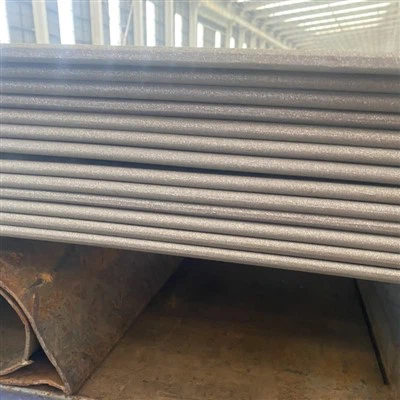
First off, let’s get real: crushing equipment’s biggest enemy is abrasion. When material like granite, basalt, or even recycled concrete is being smashed and tossed around inside a crusher, every single contact point is taking a beating. Standard carbon steel would last maybe a few weeks, if that, before you’re stuck shutting down operations to replace worn parts. Our wear-resistant plates? They’re engineered to handle that friction, impact, and material erosion way better. Let’s start with the most obvious application: crusher liners. That’s the inner lining of the crushing chamber, right? Jaw crushers, cone crushers, impact crushers—all of them have these liners that are just constantly getting pummeled by whatever you’re processing. A lot of our clients used to go through 2-3 sets of regular steel liners a month. Since they started using our high-grade wear plates? They’re stretching that lifespan out to 6-8 months. That’s not just a small win—that’s cutting downtime in half, which translates to way more production and way less money spent on emergency part swaps. And hey, downtime costs you way more than the plates themselves, so that’s a no-brainer.
Wait, not all crushers are the same, so we tailor the plates for each specific machine. For jaw crushers, for example, we use a thicker, high-toughness wear plate for the swing jaw and the fixed jaw. Those parts take the brunt of the initial impact when the material first gets crushed—they’re not just abrading, they’re absorbing big hits. If you use a plate that’s too brittle here, it’ll crack on the first big load of hard rock. If it’s too soft, it’ll wear out fast. We’ve got a middle ground that works perfectly. For cone crushers, the mantle and bowl liner are the key parts, right? Those are spinning and moving, so the abrasion is more uniform but constant. Our wear plates here have a finer grain structure that resists consistent scraping, so they don’t get thin in spots and cause uneven crushing, which leads to bigger problems down the line. And impact crushers? They’ve got blow bars and apron plates, and those take a huge beating from the thrown material. We use a harder plate here that can handle the high-velocity impact without chipping, even when you’re crushing really tough stuff like asphalt recycled from demolition sites.
Next up, feed hoppers and chutes. I know, a lot of people don’t think about these parts, but they’re just as important as the crusher itself. When you’re dumping material into a crusher, that chute is sliding tons of rock or ore down into the chamber. The sides of that chute get scraped over and over again, and if they’re regular steel, you’ll get big gouges, holes, and eventually the whole chute starts to warp. We supply wear plates that are bolted or welded onto the chute walls—they’re easy to replace, too, so you don’t have to swap out the whole chute when one section wears out. We’ve got a customer who mines iron ore, and their old chutes were needing repairs every 2 weeks. They switched to our plates, and now they only touch the chutes once every 6 months. That’s another big cut in maintenance time. Feed hoppers work the same way—they hold material before it goes into the crusher, so the bottom and side walls are taking a beating from the weight and movement of the material. Our wear plates here also resist corrosion a little, which is a bonus if you’re processing wet ore or material that has some acidic content.
Then there’s conveyor components. Wait, conveyors are part of the crushing operation too, right? After the material is crushed, it’s moving along conveyors to stockpiles or to the next stage. But even before that, the parts around the crusher’s discharge point—like conveyor idlers, chute liners for the discharge, and even the edges of the conveyor belt itself that get hit by hot or sharp crushed material. A lot of operators line the discharge chute with our wear plates, because those chunks of rock are falling from the crusher at a good speed, so they’re hitting the chute pretty hard. If you don’t have a wear plate there, you’ll get holes in the chute, material gets stuck, and you’ve got to stop the conveyor to clear it. We’ve also got clients who line conveyor skirt boards with our plates—skirt boards are what keep material from spilling off the belt, so the inside of those is constantly getting scraped by the crushed rock. That’s a small part, but it prevents mess, cuts down on material loss, and saves you from having to fix the skirt boards all the time.
Oh, and let’s not forget about mobile crushing equipment. So many operations are moving crushers around job sites now, right? They’re not just fixed in a mine or a quarry. Portable crushers are mounted on trucks or tracks, so they’re exposed to more vibration, more frequent loading, and sometimes more uneven material because they’re being used for different jobs. Our wear plates are lightweight compared to some other wear materials, so they don’t add unnecessary weight to the mobile unit, which is good for fuel efficiency. But they’re still tough enough to handle the constant movement and impact of a portable setup. A lot of our customers who do demolition work use portable crushers—they’re crushing old concrete, brick, rebar, all that stuff that’s extra abrasive. Those guys swear by our plates because they’re moving the crusher every few days, so the last thing they want is a part that breaks because it’s not durable enough.
Wait, I should mention a common mistake a lot of people make: thinking all wear-resistant steel is the same. No, man, there’s different grades for different applications. For example, if you’re crushing really hard, high-density material like iron ore or basalt, you need a plate with a higher hardness level—like 500 HBW to 550 HBW. But if you’re crushing softer stuff, like limestone or recycled asphalt, a 400 HBW plate works just fine, and it’s more cost-effective. Using the wrong grade is a waste of money—if you use a super hard plate for soft material, it’s more expensive than you need, and it might be too brittle, leading to cracks. If you use a soft plate for hard material, it wears out way too fast. That’s where we come in—we help our clients figure out exactly which grade they need, based on what they’re crushing, what type of crusher they’re using, and how often they want to do maintenance. We’re not just selling a product; we’re giving advice that saves them money long-term.
Let’s talk about real numbers, because that’s what matters. A client of ours in Colorado runs a large quarry with 3 jaw crushers and 2 cone crushers. Before they switched to our wear plates, their total maintenance cost for crusher parts was around $180k a year. Now that they’re using our plates, that’s dropped to $75k a year. That’s almost half the cost, and their production has gone up because they’re not shutting down as much. Another client is a demolition company in Texas—they crush about 500 tons of concrete a day, and their old blow bars would last 2 weeks. With our wear plates, those blow bars last 8 weeks. That’s a 4x increase in lifespan. For them, that’s thousands of dollars saved every month just on parts and downtime.
Also, installation is a big part of this. A lot of wear plates are designed to be easy to install—they have bolt holes that line up perfectly with your existing crusher parts, so you don’t have to do a lot of welding or custom work. That cuts down on installation time, too. We even offer pre-cut plates, so you don’t have to spend time measuring and cutting steel on site. That’s perfect for operators who are in a hurry to get their crusher back up and running. Some plates also have a replaceable design, so instead of swapping the whole liner, you just replace the worn section. That’s even faster, less labor, less waste.
Wait, what about environmental stuff? More and more companies are focused on reducing waste, right? Using wear-resistant steel plates means you’re replacing parts less often, so you’re sending less metal scrap to landfills. Also, less downtime means you’re producing more material without using extra fuel to run the crusher longer. That’s a bonus for companies that care about their carbon footprint. Our plates are also made from recycled steel, so that’s another way we help with sustainability.
Now, let’s be honest—no one wants to hear a sales pitch. So let’s get real about the limitations, too. Our wear plates aren’t magic. If you’re running a crusher way beyond its capacity, or feeding it material that’s way harder than it’s designed for, even our best plates will wear out faster. That’s why we work with clients to make sure they’re using the right equipment for the job, and pairing it with the right plate. We don’t want to oversell something that won’t work for their specific setup.
At the end of the day, the crushing-equipment industry runs on keeping machines running. Every minute a crusher is down is lost revenue. Our wear-resistant steel plates are one of the most effective ways to cut downtime, reduce maintenance costs, and boost production. We’ve been working with crushing operators of all sizes—from small demolition crews to large mining companies—and we’ve seen firsthand how these plates make a difference.

If you’re tired of replacing crusher parts every few weeks, or dealing with constant unplanned downtime, we can help. We’ll work with you to figure out exactly which wear plate grade and size fits your equipment and the material you’re crushing, no matter if you’re using jaw crushers, cone crushers, impact crushers, or mobile setups. We provide high-quality, durable plates that are designed to last, and we stand behind our products. Don’t let worn parts hold back your production—reach out to us to talk about your needs, and we’ll get you set up with the right solution for your crushing operations.
High-strength steel plate References:
- ASM International. (2018). Wear-Resistant Steels for Heavy-Duty Applications. ASM Handbook Volume 18: Friction, Lubrication, and Wear Technology.
- Mining Association of Canada. (2021). Maintenance Cost Reduction in Crusher Equipment: The Role of Wear-Resistant Materials. Mining Industry Technical Report Series.
- National demotion Recycling Association. (2020). Best Practices for Crusher Lining in Recycled Concrete Processing. NDRA Technical Bulletin 20-04.
- Steel Manufacturers Association. (2022). Properties and Applications of High-Hardness Wear-Resistant Steel Plates. SMA Product Data Sheet.
Shandong Baohua Abrasion Resistant Steel Co., Ltd.
Shandong Baohua Abrasion Resistant Steel Co., Ltd. is one of the leading wear-resistant steel plate manufacturers and suppliers in China. We warmly welcome you to buy high quality wear-resistant steel plate in stock here from our factory. For customized service and free sample, contact us now.
Address: 2nd Gongye Road, Lanshan Economic Development Zone , Linyi City,Shandong Province, China
E-mail: baohuasteelmkt@gmail.com
WebSite: https://www.baohua-steel.com/
