If you’re in the market for used textile machinery, you’ve likely spent hours sorting through specs, checking for wear, and negotiating price—but one critical detail that often slips under the radar is training. It’s easy to assume that operators can figure out how to run a secondhand loom or spinning frame on their own, but that’s a risky gamble, especially when textile equipment operates with high-speed moving parts, precision calibration needs, and specialized maintenance routines. As a used textile machinery supplier who’s worked with small mill owners to large production facilities for over 12 years, I’ve seen firsthand how a lack of proper training turns a good investment into costly downtime, and even safety hazards. Today, let’s break down exactly what training programs exist for used textile machinery operators, which ones matter most, and how to access them to protect your equipment and your bottom line. Used Textile Machinery
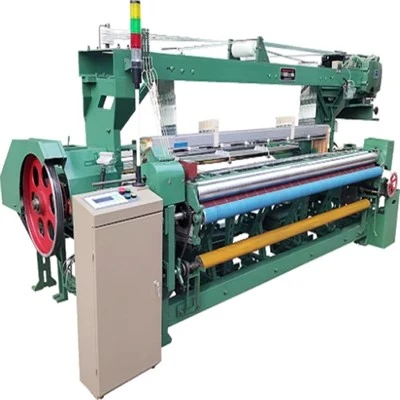
First, it’s important to clarify that not all training programs are created equal—and some are tailored specifically to secondhand textile gear, while others are generalized for new equipment. When I first started in the industry back in 2011, there was a huge gap here; many new machinery vendors only offered training for their own branded new units, and third-party programs were either too expensive for small mills or focused on vintage equipment that had little overlap with the mid-tier used machinery most of our clients rely on. That gap has shrunk a lot in recent years, thanks to a rise in specialty textile trade groups and equipment training providers who recognize that used machinery makes up 30-40% of new textile installations in North America and Europe alone, per 2023 data from the Textile Machinery Association.
Let’s start with the most accessible options for small to mid-sized mill operators: on-site training provided by used machinery suppliers. This is the program most of our clients use, and for good reason. When we deliver a used air-jet loom or a ring spinning frame to a client’s facility, we don’t just drop it off and walk away—we send our own certified technicians to train their operators and maintenance teams for 2-5 days, depending on the complexity of the equipment. This isn’t the generic “set up the machine and press go” training you might get from a big new machinery brand; it’s customized for used units. For example, if a used loom we’re selling has 10,000 hours of use, we’ll train operators on how to adjust for slight wear in the warp beam rollers that most new equipment doesn’t have, how to spot early signs of belt fatigue before it causes a breakdown, and how to calibrate the machine’s tension system to match the specific yarn type they’ll be running. Last year, a small mill in North Carolina bought a used Toyota air-jet loom from us; their operators had only worked on older, slower looms before, and our training team showed them how to adjust the loom’s reed spacing to reduce yarn breakage by 15% in the first month, a win they told me saved them over $8,000 in scrap costs.
On-site supplier training also covers safety, which is a big deal for used machinery. Many secondhand units are decades old, and their original safety guards might be worn or missing, or their operational guidelines assume the factory they were originally in had specific safety protocols. Our training program includes a full audit of the machine’s safety features, plus hands-on practice with lockout-tagout procedures, how to stop the machine in an emergency without getting caught in moving parts, and how to inspect for frayed wiring or loose components that could cause fires. I’ve seen too many mill owners skip this part, only to have an operator injured because they didn’t know that a 20-year-old spinning frame’s shuttle can fly off at 30 mph if not properly secured. That training isn’t just a nice-to-have—it’s a legal requirement in most countries for textile manufacturing facilities, so getting it from your machinery supplier checks that box too.
Next, there are trade association-led training programs, which are perfect if you’re looking for more formal, standardized training that works across different brands of used equipment. Groups like the Textile Institute (a global professional body for textile specialists) and regional groups like the American Textile Manufacturers Institute (ATMI) offer short, modular training courses focused on used textile machinery operation. These courses cover everything from basic machine maintenance to troubleshooting common issues with secondhand gear, and they’re designed to apply to most mid-tier used equipment—whether it’s a Picanol loom, a Rieter spinning frame, or a Sulzer projectile loom. The best part? Many of these associations offer discounted rates for small mill owners, and some even partner with used machinery suppliers to offer bundled deals where you get a discount on training when you buy equipment from a reputable supplier. For example, ATMI’s 3-day Used Textile Machinery Operations Course costs around $1,200 per operator for members, and it includes a module on how to test used equipment before purchase—a skill that lets you avoid buying a unit with hidden wear that would cost thousands in repairs down the line. That’s a huge value, because I’ve had clients come to us after buying a used loom that had a broken camshaft, a flaw they missed because they didn’t know what to look for; a quick training course would have caught that before they made the purchase.
There are also digital and self-paced training options, which are great if you have operators who learn better on their own time, or if you need to train a large team spread across multiple locations. In the last five years, companies that specialize in used textile equipment have launched on-demand training libraries, with video tutorials, interactive troubleshooting guides, and virtual walkthroughs of common used machinery models. For example, the used machinery platform we partner with most offers a subscription-based training library that costs around $50 per operator per month, with courses specific to every major brand of loom, spinning frame, and knitting machine. These courses are especially useful for maintenance teams, because they let you look up a specific issue—like a jammed feeder on a used circular knitting machine—instead of waiting for a technician to come out. I recommend pairing digital training with hands-on practice, though; we’ve had clients who tried to train their operators solely through video, and they still struggled with calibrating the machine’s tension, which requires physical, in-person adjustment.
Now, let’s talk about what’s missing here, because there are some gaps in training for used textile machinery that we’ve seen cause problems for operators. Most of the existing training programs are either focused on new equipment, or on the basic operation of used machines, but very few cover retrofitting for used units. A lot of mill owners buy used textile machinery to cut costs, then retrofitting it with new controls or energy-efficient parts to match modern production needs—but there’s almost no formal training on how to retrofit used machines without damaging them. For example, adding a computerized yarn tension sensor to a 15-year-old loom requires adjusting the loom’s frame to fit the new sensor, and if you don’t know how to align that, you’ll cause more yarn breakage, not less. That’s a area where we’ve started to fill the gap, offering targeted retrofit training for the used equipment we supply, working with third-party technicians to create step-by-step guides that are specific to each machine’s age and model.
Another common mistake I see is mill owners skipping training entirely, thinking that their existing operators can adapt to used machinery. That’s rarely the case. Even if an operator has 10 years of experience running new looms, used looms have different wear patterns—for example, a used loom’s crankshaft might have a slight warp that a new loom wouldn’t, requiring different speed settings to avoid damage. Last year, a client in South Carolina told us their operator had run new looms for 15 years, and when they bought a used set, they ran them at 5% faster speed than recommended to hit production targets, which led to a broken crankshaft that cost $12,000 to replace. That same client had asked us for a training quote, but decided to skip it to save money—so that mistake cost them more than the training would have three times over.
So, how do you access these training programs effectively, especially if you’re a small mill owner working with a used machinery supplier? First, when you’re vetting a supplier, ask about their in-house training offerings. Reputable used machinery suppliers will offer on-site training as part of the equipment price, not as an add-on charge. If a supplier tries to charge you $5,000 for training on a $20,000 loom, that’s a red flag—our company includes 3 days of on-site training for every used machine we sell, no extra cost. Second, look for bundle deals between suppliers and trade associations. Many suppliers partner with groups like the Textile Institute to offer discounted training for their clients, so you get a better rate than if you signed up alone. Third, don’t forget to include your maintenance team in training—operators run the machine, but maintenance teams are the ones who prevent breakdowns, so training them on how to spot early wear is just as important.
If you’re in the market for used textile machinery, don’t let the excitement of finding a great deal blind you to the need for training. A used machine is only as good as the team that runs and maintains it, and skipping training is one of the most avoidable mistakes you can make. Whether you’re a small startup looking to launch your first production line, or a mid-sized mill looking to expand your fleet, the right training will help you get more output, less scrap, and fewer costly breakdowns from your used equipment.
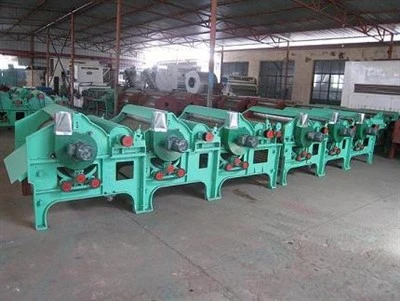
If you’re ready to explore used textile machinery options and discuss training tailored to your facility’s needs, feel free to reach out for a conversation about your production goals and what equipment will work best for you.
Textile Testing Instruments References
- Textile Machinery Association. (2023). Global Used Textile Machinery Market Report: Trends and Growth Drivers.
- American Textile Manufacturers Institute. (2022). Training Best Practices for Used Textile Equipment Operators.
- The Textile Institute. (2021). Modular Training Programs for Specialized Textile Machinery.
- International Labour Organization. (2020). Safety Standards for Textile Machinery Operation.
Shandong Hongye Machinery Co., Ltd.
Shandong Hongye Machinery Co., Ltd. is one of the most professional used textile machinery manufacturers and suppliers in China, featured by quality products and low price. Please rest assured to buy advanced used textile machinery in stock here and get quotation from our factory. Also, 1 year warranty is available.
Address: Room 1104, Building No. 2, Haier Yunjie, No. 99 Chongqing South Road, Qingdao, China
E-mail: sales@seavincn.com
WebSite: https://www.sdhymachinery.com/
