Hey there, fellow Ghost Door owners and curious contractors — let’s cut to the chase: nothing kills the smooth, modern vibe of a ghost door like a wonky alignment. If you’re here because your brand-new ghost door is rubbing the frame, sticking when you swing it, or leaving a gap so big it lets in drafts (and the occasional stray bug), you’re in the right spot. Full transparency: I run a ghost door supply company, and I’ve fixed way more misaligned doors than I can count. A lot of folks think ghost doors are “set it and forget it” — nope. They’re sleek, heavy-duty pieces of hardware, and even the best ones need tiny tweaks here and there to stay in line. Today, I’m walking you through the actual, science-backed steps to adjust your ghost door’s alignment without having to call a pro (unless it’s way off — I’ll cover when to loop in the experts too). Ghost Door
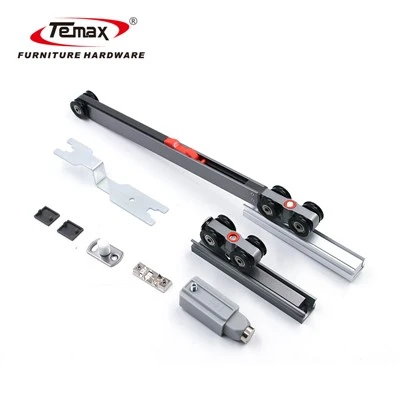
First, let’s get on the same page about what a ghost door even is, because if you’re trying to adjust it and don’t know its anatomy, you’re wasting your time. Ghost doors (sometimes called pocket doors, but the “ghost” nickname comes from how they disappear into the wall when open, like a ghost) are usually made of solid wood, steel, or aluminum, and they hang on a hidden track system inside your wall. That track is the key here — unlike regular hinged doors, ghost doors don’t have hinges you can tweak easily. All adjustments happen at the top of the door, where it connects to the rollers that glide along the track.
The most common alignment issues I see? Three main ones: the door is rubbing the floor or frame when closed, it’s tilting forward or backward, or it’s not sitting flush in the frame at the top or bottom. Let’s start with the prep work, because skipping this part is why most people mess up.
First, gather your tools — nothing fancy, I promise. You’ll need a Phillips-head screwdriver (most ghost doors use #2, but double-check your hardware), a level (a small torpedo level works, no need for a big spirit level unless you’re checking the whole track), a measuring tape, and a rag to wipe down any dust that might be hiding in the track. Oh, and turn off any overhead lighting near the door, and clear out the floor around it — tripping over a loose shoe mid-adjustment is not how you want this to go.
Next, you need to access the roller assembly. Here’s the tricky part: most ghost doors have a small access panel in the drywall above the door (usually about 6-12 inches wide) that’s covered by a thin piece of trim. If you don’t have an access panel, don’t panic — some doors let you pop the trim off the top of the door frame instead. Grab your flathead screwdriver and gently pry off the access panel cover (be careful not to break it — you can re-glue or nail it back later). Once that’s off, you’ll see the track and the two roller brackets that hold the door in place. This is where the magic happens.
Now, let’s diagnose the exact problem first, because adjusting blindly will make it worse. Close the door all the way and look at it from the side. Is it tilting toward the floor (so the bottom edge is sticking out) or tilting toward the frame? Run your hand along the gap between the door and the frame — is the gap bigger at the top, or the bottom? If it’s rubbing the frame when you close it, the door is probably not level side-to-side. If it’s sticking halfway when you slide it open or closed, the track might be slightly bent, or the rollers aren’t adjusted evenly.
Let’s tackle the most common fix first: side-to-side alignment. If your door is tilging left or right, that’s a quick tweak. On the roller brackets, you’ll see two small screws — one is the lock screw, the other is the adjustment screw. Loosen the lock screw with your Phillips screwdriver (only loosen it a turn or two, don’t take it all the way out) and then turn the adjustment screw. Turning it clockwise will pull that side of the door up, and counterclockwise will let it drop. Use your torpedo level on the top edge of the door to check when it’s perfectly level. Don’t crank the screw too hard — these are precision parts, and overtightening can strip the threads, which is a headache to fix. Once it’s level, tighten the lock screw back down to hold it in place.
Next up: front-to-back alignment. This is if your door is sticking out away from the wall (so you can see a gap between the door and the drywall when it’s closed) or it’s pressing too hard against the frame, making it hard to slide. For this, most roller brackets have a separate adjustment for the depth — usually another screw or a small set screw on the side of the bracket. Loosen that set screw, and then you can adjust the roller to move the door forward or backward along the track. Gently slide the door back and forth as you turn the screw, until it sits flush with the wall (or whatever gap you have planned — some people like a tiny 1/8 inch gap for drafts, but more than that is messy). Tighten the set screw once it’s where you want it.
Wait, what if it’s rubbing the floor? That’s a common one, especially if you installed the door in a space with uneven floors. If the bottom edge of the door is dragging on the floor, you’ll need to adjust the height of the rollers. Look at the top of the roller brackets — there’s usually a height adjustment screw, often in the center of the bracket. Turning that screw clockwise will lift the door, and counterclockwise will lower it. Make small adjustments here, like a quarter turn at a time, then test sliding the door. Don’t lower it so much that the top edge sticks out of the frame — that’s worse. A good rule of thumb is to leave about 1/4 inch of clearance between the bottom of the door and the floor; enough to avoid dragging, but not so much that small objects can slide under it.
Now, let’s talk about the track itself, because sometimes the issue isn’t the rollers — it’s the track. Over time, the track can shift slightly if the wall it’s mounted on settles, or if someone bumped it hard. If you’ve adjusted the rollers and the door is still off, check the track. You’ll need to go back to the access panel to see the track mounts. There are screws holding the track to the wall studs (the hidden wooden beams inside the drywall). If the track is bent (look along it from the end to see if it’s warped), you might need to gently bend it back with a pair of pliers, but be super careful — aluminum tracks are soft and can snap if you bend them too hard. If it’s just shifted, loosen the track mounting screws, tap the track back into place with a mallet (a rubber mallet, so you don’t scratch it), and then tighten the screws back down. Test the door slide a few times to make sure it’s smooth before closing up the access panel.
I want to be real with you here: there are a few times when you shouldn’t attempt this yourself. If your ghost door is a custom-sized one, or if it’s mounted in a load-bearing wall (that means it’s holding up part of your house, not just a regular interior wall), then messing with the track or rollers can be dangerous — you could weaken the wall and cause damage. Also, if when you open the access panel, you see that the rollers are cracked or the track has rust (especially if it’s an older door), then you’ll need to replace parts, and that’s best left to someone who knows what they’re doing. We sell replacement rollers and tracks for ghost doors, but installing them wrong will make your alignment worse, so don’t risk it.
Now, a few pro tips from someone who’s been in this game for years, because these little hacks save you from having to redo adjustments every month. First, when you’re adjusting, make small, incremental changes — a quarter turn of a screw is way better than a full turn, because ghost doors are heavy and even tiny adjustments make a big difference. Second, after you adjust, slide the door open and closed 5 or 6 times to let the rollers settle, then check the alignment again. Sometimes the door will shift a tiny bit right after adjusting, so you might need a quick tweak after that. Third, add a little silicone-based lubricant to the track once a year — not WD-40, that’s too oily and attracts dust. A dry silicone spray will keep the rollers gliding smoothly, which prevents them from wearing unevenly and causing alignment issues down the line.
Another thing: don’t ignore small alignment issues. If your door is rubbing just a little bit, you might think it’s no big deal, but over time that rubbing will wear down the roller wheels, causing bigger problems and more expensive repairs. I’ve seen guys who put off adjusting their door for 6 months end up having to replace half the hardware because the rollers were stripped from rubbing.
At the end of the day, adjusting a ghost door’s alignment is a mix of patience and knowing the right parts to tweak. It’s not rocket science, but it’s also not something you want to rush through. If you’ve tried these steps and the door is still not aligned, or you need replacement parts, feel free to reach out to our team for help. We supply high-quality ghost doors and all the hardware you need to keep them working perfectly, and our crew can walk you through any step of the process — from adjusting alignment to replacing a track. No jargon, no upselling, just straightforward advice from people who work with these doors every single day.
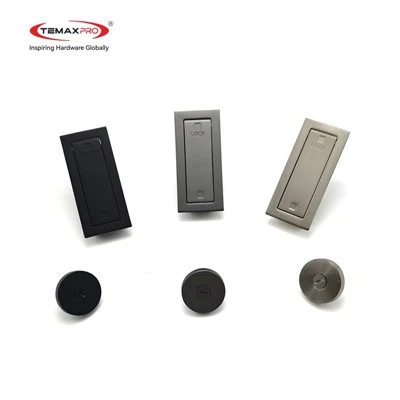
At the start of this, I said ghost doors are sleek, but that sleek look only works when they’re aligned right. A wonky ghost door stands out like a sore thumb, but a properly adjusted one feels like it’s not even there — which is the whole point, right? You want that seamless, modern look, not a door that sticks or rubs. Take your time, use the right tools, and if you hit a wall, we’re here to help. Whether you need a new door, replacement rollers, or just someone to talk you through that final tweak, our team is ready to chat. Don’t let a tiny alignment issue ruin the vibe of your space — fix it today, and enjoy that smooth, ghostly swing.
Folding Door for Wardrobe References:
- Ghost Door Installation & Alignment Guide, National Association of Home Builders, 2021
- Pocket Door Adjustment Best Practices, Door & Hardware Institute, 2022
- Residential Track Door Maintenance, International Code Council, 2023
Shanghai Temax Hardware Co., Ltd.
As one of the most professional ghost door manufacturers and suppliers in China, we’re featured by quality products and good service. Please rest assured to buy bulk customized ghost door at competitive price from our factory. Welcome to contact us for quotation.
Address: Room 411, Building A, No.508 Chundong Rd.,Shanghai,China
E-mail: info2@shtemax.com
WebSite: https://www.shtemax.com/
