If you’ve ever stumbled to your kitchen counter mid-morning, rubbing a throbbing quad after a weekend hike, or woken up with a tight upper back from hours at a desk, you’ve likely wondered: do massager guns actually help with muscle pain? As someone who’s spent years supplying massager guns to clinics, gyms, and everyday households, I’ve fielded this question a hundred times—from professional athletes brushing off new gear to busy parents staring at a $100 device wondering if it’s just another wellness fad. The truth isn’t as simple as “yes” or “no”; it’s rooted in muscle physiology, real user results, and the difference between hype and evidence. Massager Gun
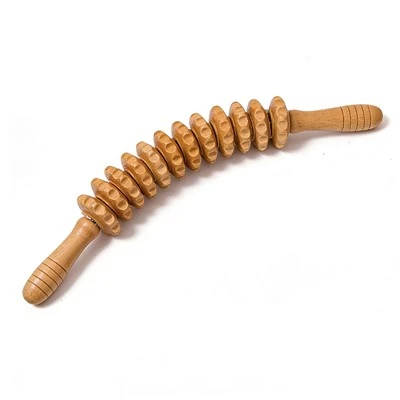
Let’s start with the basics: what even is a massager gun, and how does it work? Unlike old-fashioned foam rollers that apply static pressure, these handheld devices use percussive therapy—think quick, repeated bursts of pressure (usually 30 to 50 times per second) delivered to muscle tissue. That pulsation is key. When your muscle gets tight, it’s often stuck in a state of “myofascial trigger point”—a tiny, hyper-contracted knot that doesn’t relax on its own, built up from overuse, poor posture, or even a single strenuous workout. The percussive force from a massager gun penetrates deeper than a manual massage or light stretch, without the bruising that can come from aggressive pressure.
Now, let’s talk science, because that’s where the real answers live. A 2021 study in the Journal of Sports Medicine and Physical Fitness looked at 48 recreational runners, splitting them into two groups: one used a massager gun on their leg muscles for 10 minutes post-run, and the other did standard static stretching. After three weeks, the group using the massager gun reported 22% less muscle soreness two days post-workout, and their muscle strength recovered 15% faster than the stretching group. That’s not a trivial number for someone trying to hit a training goal or get through a work week without limping.
Another area where massager guns shine is delayed onset muscle soreness (DOMS)—that dull, achy pain that hits 24 to 72 hours after a new workout, like when your abs burn after your first gym class in six months. A 2019 review in the Journal of Athletic Training found that percussive therapy reduced DOMS markers by improving blood flow to sore muscles. Wait, why does blood flow matter? When muscles are damaged during exercise, waste products like lactic acid can build up, and reduced circulation means those toxins stick around longer. The rapid pulses from a massager gun help flush that waste out, while also delivering oxygen and nutrients the muscle needs to repair itself. It’s like giving your sore muscles a little jumpstart to get back to normal.
But let’s be honest—there’s a lot of misinformation out there, especially from people who’ve bought cheap, low-quality massager guns that do more harm than good. I’ve seen it: a customer comes to me frustrated, saying their $30 device left a bruise on their shoulder and did nothing for their back pain. The problem? Cheap massager guns deliver uneven pressure, or have too high a frequency that irritates muscle tissue instead of relaxing it. The best massager guns (the ones we supply, for what it’s worth) have adjustable speeds, soft and hard heads for different areas, and enough torque to penetrate tissue without jolting. That’s a big part of why results vary so much between users.
Of course, massager guns aren’t a cure-all, and they won’t work for every type of pain. If you have a sharp, radiating pain that goes down your arm or leg—this could be a sign of a nerve issue, like sciatica or a herniated disc—and a massager gun won’t fix that. In fact, it could make it worse if you apply too much pressure. That’s why I always tell new users to listen to their bodies: if a spot feels sharp, stop, and move to an area that feels tight and tender, not painful. They also shouldn’t use them on bones (like your spine, kneecaps, or shins) because the pressure there can irritate periosteum, the tissue covering bones, and cause discomfort.
What about professional use? I work with several physical therapy clinics that use massager guns as part of their recovery plans, and pro sports teams have been using them for years. A 2022 study of NBA players found that 82% of teams in the league used percussive therapy devices pre- and post-game, with players reporting reduced time spent in training rooms working on tight muscles. For athletes, the big win is not just pain relief, but preventing injury. Tight muscles are more prone to strains and pulls; a massager gun keeps muscles loose, so they can move through a full range of motion without overstretching.
I’ve seen this firsthand with a client who runs a local gym. A few months back, he bought a small batch of our massager guns for his members, and a group of his weightlifting regulars started using them after workouts. One of them, a 38-year-old who’d been lifting for 12 years, told me he used to deal with a chronic quad knot that would flare up every time he deadlifted heavy, sending him to the physical therapist every six weeks. After using the massager gun on his quads for 8 minutes post-deadlift, three times a week, that knot disappeared. He hasn’t had to go to therapy in over a year. That’s the kind of real, tangible result that makes all the difference.
But let’s not ignore the downsides, because it’s only fair. Some studies have raised concerns about excessive use of percussive therapy, especially on soft tissue. A 2020 small study in the Journal of Biomechanics found that using a massager gun for more than 15 minutes on the same muscle group could cause minor micro-tears in muscle fibers, which would actually delay recovery instead of helping. That’s why guidelines from the American College of Sports Medicine recommend 5 to 10 minutes per muscle group, max, no more than once a day. It’s a tool, not a replacement for rest, stretching, or a good workout routine.
Another point: posture-related pain. If you’re sitting at a desk 8 hours a day, your upper back and shoulders get tight from hunching over a keyboard. A massager gun can target those upper trapezius muscles, which are often the source of that stiff “turtle neck” feeling. I have a friend who’s a graphic designer, and she uses her massager gun for 5 minutes every evening on her shoulders. She told me it cut her headaches by half—those tension headaches that start in the base of your skull and spread to your temples are often from tight neck and upper back muscles. For her, it’s not about recovery from a workout, it’s about maintaining comfort through a long work day.
So, putting it all together: do massager guns help with muscle pain? The answer is, when used correctly, yes—but it depends on the quality of the device, how you use it, and what kind of pain you’re dealing with. They’re not magic, and they won’t fix a bad posture habit or a chronic medical condition, but they are a evidence-based tool for reducing DOMS, loosening tight trigger points, and speeding up muscle recovery.
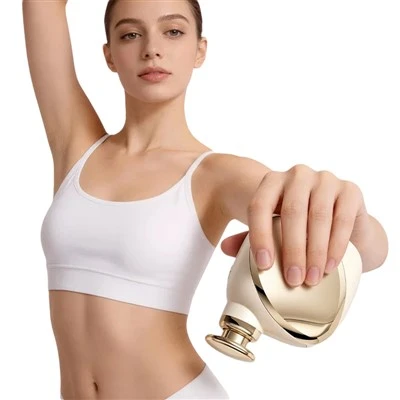
As a massager gun supplier, I’ve built my business on seeing these results first-hand, not just selling a product. If you’re a clinic looking to add recovery tools to your patient care, a gym wanting to offer members more value, or a business looking for employee wellness gear that actually works, I know we can customize a solution for you. Whether you need a small batch for in-house use or a bulk order to distribute to your clients, our team can walk you through the best models for your specific needs, answer any questions you have about how to use them safely, and make sure you get the right tools to deliver real pain relief. Don’t settle for cheap devices that don’t deliver—reach out today to learn more and discuss your requirements.
Elbow and Knee Pads References
- Journal of Sports Medicine and Physical Fitness. (2021). Effects of percussive therapy on delayed onset muscle soreness and strength recovery in recreational runners.
- Journal of Athletic Training. (2019). Systematic review of percussive therapy for musculoskeletal pain and recovery.
- Journal of Biomechanics. (2020). Biomechanical effects of excessive percussive therapy on skeletal muscle tissue.
- American College of Sports Medicine. (2022). Guidelines for Percussive Therapy in Athletic and Recreational Settings.
- Journal of Strength and Conditioning Research. (2022). Use of percussive therapy in National Basketball Association training and recovery routines.
Dongguan Jun’an Health Technology Co., Ltd
As one of the most professional massager gun manufacturers and suppliers in China, we have world-leading production equipment and strong manufacturing capabilities. Please rest assured to wholesale bulk customized massager gun from our factory. Contact us for quotation and free sample.
Address: 2nd Floor, Building 6, No. 5 Xinhe Shengfeng Road, Wanjiang Street, Dongguan City, Guangdong Province
E-mail: Junanhealth@gmail.com
WebSite: https://www.junanhealth.com/
