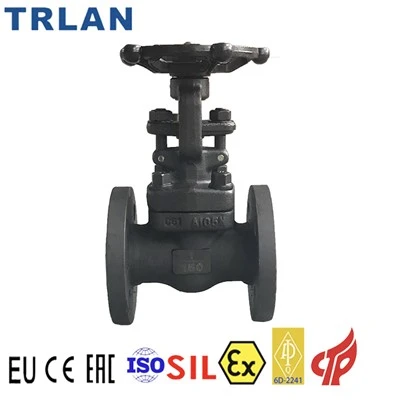
Hey guys, if you’ve ever worked with industrial piping systems, you’ve definitely crossed paths with gate valves—those big, sturdy little workhorses that control flow in everything from water treatment plants to oil refineries. I’m the owner of a gate valve supply company, and let me tell you, one of the most common questions I get from customers is, “Can a gate valve even be repaired, or do I have to toss it and buy a new one?” Spoiler: It’s not always a one-size-fits-all answer. Let’s break this down like we would over a coffee shop chat, no stuffy engineering jargon unless it’s actually necessary. Gate Valve

First, let’s get real about what a gate valve does. Its whole thing is a wedge-shaped gate that slides up and down to either block flow completely or let it pass through. It’s designed for fully open or fully closed positions—you’re not supposed to use it to throttle flow, that’s what ball valves are for. But even the toughest ones hit issues over time: gunk buildup, worn seats, a stuck gate, or a leaky stem. The question is, when can you fix it, and when is it time for a replacement?
Let’s start with the good news: Most of the time, gate valves can be repaired. Wait, no—scratch that, most of the time they should be repaired, especially if it’s a larger, custom-sized valve that cost a fortune. Buying a brand-new 12-inch gate valve for a refinery line isn’t cheap, so fixing it saves you a ton of cash. But here’s the catch: it depends on what’s broken, and how old the valve is. For example, a rusted, 50-year-old gate valve that’s been sitting in a damp warehouse? Probably better to swap it out. A 5-year-old valve that’s just got a little gunk on the seats? Super easy to fix.
Let’s walk through the most common issues and whether repair works. First, leaks. That’s the #1 complaint. If the leak is coming from the stem (the part you turn to open/close the valve), 9 times out of 10 that’s just a bad stem packing. Packing is the stuff (usually graphite or PTFE rings) that seals around the stem so flow doesn’t escape. Over time, it compresses or gets worn, so the leak starts. Fixing that is straightforward: you shut off the line, bleed the pressure, take the stem out, swap the old packing for new, and re-tighten the gland nut. Done. That’s a 30-minute job most of the time, no big deal.
If the leak is coming from the body ends (where the valve connects to the pipe), that’s usually a gasket issue. Gaskets get crushed or dried out, so replacing them is another simple repair. Just make sure you get the right size and material—like, don’t use a rubber gasket for a high-temperature steam line. But that’s basic stuff, and totally doable.
Now, the trickier leaks: if the valve is leaking when it’s supposed to be closed, that’s usually seat damage. The seats are the rings inside the valve body that the gate presses against to block flow. Over time, sediment, scale, or even debris in the pipe can scratch or etch the seats, so the gate can’t make a perfect seal. That’s not as easy as swapping packing, but it’s still repairable in most cases. You can resurface the seats with a grinding tool (called lapping) or even replace the seat rings if they’re removable—plenty of gate valves have bolt-in seat rings, so you don’t have to weld or machine the whole body. The only time seat damage is a dealbreaker is if the valve body itself is corroded through, which usually happens from long-term exposure to corrosive fluids without proper material selection.
Next common issue: a stuck gate. If you turn the handwheel and nothing happens, the gate’s either stuck open, closed, or halfway. Why? Usually gunk buildup—sludge, scale, or even rust inside the valve body. Sometimes it’s a bent gate stem, or a worn gate guide. If it’s just gunk, you can take the valve apart, clean all the parts, lubricate the stem and gate, and put it back together. That works for 70% of stuck gate valves. If it’s a bent stem, that’s a bit more work: you straighten the stem (or replace it if it’s too damaged) and check the gate for bends too. If the gate itself is warped from overheating or pressure spikes? That’s a little trickier, but not impossible—small warps can be fixed by lapping the gate and seats, but severe warping usually means replacement, because a warped gate won’t seal right even after lapping.
Wait, what about if the valve’s not operating smoothly? Like, it takes 10 turns of the handwheel to open it, when it used to take 3. That’s usually worn stem threads or a worn gate nut. You can replace the stem and gate nut, lubricate the threads, and it’ll feel like new again. Super common, especially if the valve is in a high-use spot—like a municipal water line that gets opened and closed dozens of times a day.
Now, let’s talk about when repair isn’t worth it. Because let’s be honest, sometimes it’s better to just get a new one. First, if the valve body is severely corroded or pitted. Even if the seats or stem are good, a corroded body can rupture under pressure, which is a huge safety hazard. Second, if the gate is cracked or broken. You can weld a small crack, but big cracks mean the gate can’t handle the pressure, so it’s not safe. Third, if the valve is really old—like, pre-1980s, and parts are no longer made. A gate valve from the 1970s might have a stem size that’s not manufactured anymore, so you can’t find replacement parts to fix it. Fourth, if the valve is made of a cheap material that deteriorated—like a cast iron valve in a saltwater application, which corroded too far gone.
Here’s a pro tip from someone who sells gate valves every single day: always do a quick inspection before you decide to repair or replace. Drain the line, take the valve out, and do a visual check. Look at the body for holes or deep pitting, check the gate for cracks, wiggle the stem to see if it’s loose or bent. If all the main parts are in good shape, repair is almost always cheaper. If not, start shopping for a new one.
Wait, also—safety first, always. Before you do any repair on a gate valve, make sure the line is completely shut off, drained, and bled of pressure. I’ve seen too many guys skip that, and get hurt when pressure blows the stem or gasket out. No repair is worth a trip to the hospital.
Another thing: when you do repair, make sure you use the right parts. Don’t grab a random packing ring from the hardware store—use the same type that came with the valve, or a material rated for your fluid and temperature. For example, if you’re working with hot water, PTFE packing is fine, but if it’s steam over 300°F, you need graphite packing. Using the wrong parts will just make the leak come back, or cause another issue.
If you’re not comfortable doing the repair yourself, that’s totally normal. A lot of companies offer valve repair services, right? Wait, yeah, and as a gate valve supplier, we work with a bunch of service techs who can do the job. But even if you go that route, it’s still cheaper than buying a new valve, especially for large sizes.
Let me give you a real example. Last month, a customer brought in an 8-inch cast steel gate valve that was leaking from the stem. He thought he had to buy a new one, but we inspected it, saw the packing was just worn, swapped it out, and charged him $150. A new 8-inch cast steel gate valve would’ve run him over $1,200. That’s a no-brainer. Another customer had a 4-inch valve with a slightly scratched seat—we lapped the seats, replaced the packing, and fixed it for $80, instead of $500 for a new one. On the flip side, a customer brought in a 10-inch valve that had a corroded body—we told him to replace it, because even if we fixed the seats, the body was going to leak within a year. He did, and it was the right call.
So to circle back to the original question: Can a gate valve be repaired? The answer is, yes, in most cases—especially if the issue is minor (leaky stem, bad gasket, gunked-up gate) and the main valve body is in good shape. Only skip repair if the valve is too old, parts are unobtainable, or the body/gate is too damaged to safely fix.
Now, if you’ve got a gate valve that’s giving you trouble, whether you think it’s repairable or not, we’re here to help. We can walk you through a quick inspection, tell you if repair makes sense, or hook you up with a high-quality replacement if that’s what you need. Just reach out to our team to chat through your specific setup—we’re happy to answer any questions, no sales pressure, just real advice from someone who’s worked with these valves for years.
Wait, don’t forget—always factor in downtime. If your line is critical, like a power plant or a water treatment facility, sometimes repairing a valve takes a few hours, while waiting for a replacement might take a few days. So even if a new valve is a bit more expensive, the downtime cost might make repair the better call. That’s another thing to think about.
Oh, and one more common mistake people make: when they repair a gate valve, they over-tighten the handwheel to stop leaks. That’s bad! Gate valves are supposed to be turned until the gate is fully open or fully closed, not cranked down. Over-tightening can damage the seats or stem, and actually cause more leaks later. Just turn it by hand until it stops, that’s enough. No need for a pipe wrench on the handwheel.
At the end of the day, gate valves are built to last, but they aren’t indestructible. With a little regular maintenance (cleaning, lubricating the stem, checking for leaks) you can extend their life for years, and save yourself a ton of money by repairing instead of replacing. But when repair isn’t an option, we’ve got a huge selection of gate valves in all sizes, materials, and pressure ratings to fit your needs.
If you’re dealing with a gate valve issue, or just want to learn more about how to maintain yours, hit us up to connect with our sales and support team. We’ll work with you to figure out the best solution for your setup, no matter how big or small.
Check Valve References:
- Valve Institute Standards. Technical Guidelines for Industrial Gate Valve Maintenance and Repair, 2021.
- API 6D Specification for Pipeline Valves. American Petroleum Institute, 2022.
- Machiner’s Handbook. Repair and Lapping of Industrial Valve Seats, 30th Edition, 2019.
- Industrial Valve Maintenance Association. Best Practices for Gate Valve Operation and Repair, 2020.
Zhejiang TRLAN Valve Co., Ltd.
With abundant experience, we are one of the most professional gate valve manufacturers and suppliers in China. We warmly welcome you to wholesale high quality gate valve made in China here from our factory. For price consultation, contact us.
Address: No. 17, Dongyang Road, Anfeng Industrial Zone, Bao’er Community, Oubei Street, Yongjia County, Wenzhou City, Zhejiang Province
E-mail: info@trlanvalve.com
WebSite: https://www.trlanvalve.com/
