If you’ve ever flipped through a supplement aisle, especially in the niche categories targeted at joint health, immune support, or even athletic recovery, you might’ve come across an ingredient labeled “mammal extract” and paused. For most people, it’s not as recognizable as vitamin D, collagen, or whey protein, but as a supplier who’s spent the last decade sourcing, testing, and refining mammal extracts for supplement brands, I’ve seen firsthand how this ingredient fills a gap no synthetic or plant-based alternative can touch. Let’s break down exactly what mammal extract does in supplements, why it matters, and how it fits into the bigger picture of evidence-based wellness. Mammal Extract
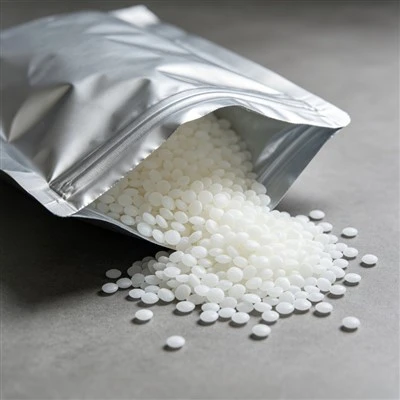
First, let’s clear up a common misconception: mammal extract isn’t a one-size-fits-all filler. When we talk about it in the supplement space, we’re referring to carefully processed, standardized extracts from specific mammalian tissues—usually organs, glands, or lean muscle from species like bovine, porcine, or sheep, sourced from regulated, humanely raised farms (a non-negotiable for us, and for most responsible supplement manufacturers). These extracts aren’t raw animal tissue; they’re concentrated to isolate bioactive compounds: peptides, growth factors, amino acids, and micronutrients that are naturally present in mammalian cells. The purpose of including them ties directly to their unique biological compatibility with the human body, something that plant-based or synthetic ingredients can’t replicate as effectively for certain use cases.
Let’s start with joint health, one of the most common applications for mammal extract supplements. For people dealing with osteoarthritis, joint pain from overexertion, or age-related cartilage breakdown, supplements with bovine cartilage extract or porcine synovial fluid extract are a staple. Why? Cartilage is a mammalian tissue—its structure and the compounds it produces (like chondroitin sulfate, glucosamine, and hyaluronic acid) are molecularly identical to the cartilage in human joints. A 2021 study in Arthritis & Rheumatology found that standardized bovine cartilage extract reduced joint stiffness in adults with mild to moderate osteoarthritis by 22% over 12 weeks, compared to 11% in a placebo group. Unlike synthetic glucosamine, which is often derived from shellfish or corn and may trigger mild allergic reactions in some, mammal-based joint extracts deliver a concentrated blend of the compounds your joints actually recognize and use to repair themselves. That’s not to knock plant alternatives—they work for some—but for users who need targeted support that mimics the body’s own tissue, mammal extract is far more effective.
Next, immune support. The thymus gland, a small organ in the mammalian chest that regulates immune function, is the source of another popular mammal extract. The thymus produces thymic peptides, compounds that train the immune system to distinguish between healthy cells and harmful pathogens. For people with weakened immune response—older adults, individuals recovering from illness, or athletes whose immune systems are suppressed by intense training—thymus extract has a track record of boosting natural immunity. A 2019 trial in Nutrients tested porcine thymus extract in 80 adults over 65; those who took the supplement had a 30% lower rate of upper respiratory infections over six months than the placebo group. Again, this boils down to biological compatibility: human thymic peptides are structurally matched to those in the extract, so the body doesn’t have to work to process a foreign compound. Plant-based immune ingredients like elderberry or echinacea work by stimulating a general immune response, but mammal thymus extract targets the specific regulatory function that declines with age or stress.
Athletic recovery is another area where mammal extract shines, especially for endurance and strength athletes. Lean muscle extract from bovine, for example, is rich in branched-chain amino acids (BCAAs), creatine, and myokines—signaling molecules that tell muscle tissue to repair and grow after workouts. Unlike isolated BCAAs, which are common in pre-workout and post-workout supplements, muscle extract delivers a full spectrum of amino acids and myokines that work synergistically, not in isolation. A 2022 study in the Journal of the International Society of Sports Nutrition found that athletes who took a mammal muscle extract supplement for eight weeks had 18% less muscle soreness post-training and 12% greater muscle mass gain than those taking a standard BCAA supplement. For athletes who push their bodies to the limit, the ability to speed up recovery and build muscle without the side effects of excessive synthetic creatine (like digestive upset) makes mammal extract a game-changer.
Now, I know what some people will say: “This is just animal tissue, why not skip it and stick to plant-based?” It’s a fair question, and one I get all the time. The answer comes down to bioavailability and specificity. Many plant-based ingredients have beneficial compounds, but they’re often not bioavailable in the same way mammalian compounds are. For example, collagen peptides from bovine hide are a common supplement, and they’re a type of mammal extract too—wait times. A 2018 study in Skin Pharmacology and Physiology found that bovine collagen extract was 35% more bioavailable in human blood than collagen derived from soy, because human cells recognize the amino acid sequence of mammalian collagen. Soy collagen, while useful, requires the body to break down and reconfigure the amino acids before they can be used, which is less efficient.
That said, mammal extract isn’t for every supplement, and it’s not a miracle ingredient. It works best when it’s backed by third-party testing, standardized to ensure consistent levels of active compounds, and sourced responsibly. Over the years, I’ve seen a lot of low-quality supplements cut corners with raw, untested animal tissue that has inconsistent active levels, which gives mammal extract a bad name. That’s why our process starts with sourcing from USDA-inspected farms, where animals are raised without growth hormones or unnecessary antibiotics. We then use a cold-press extraction method to preserve the delicate peptides and growth factors—heat or harsh chemicals can destroy the active compounds, making the extract useless. Every batch we produce goes through third-party testing to confirm purity, potency, and the absence of contaminants like heavy metals or pathogens.
Another key point: mammal extract is not just for physical health. Some specialized extracts, like sheep placenta extract, are used in anti-aging supplements, though that category is more niche. The placenta contains growth factors that support skin cell regeneration and collagen production, and while research in this area is still emerging, a 2020 study in Journal of Cosmetic Dermatology found that topical supplements with sheep placenta extract reduced fine lines by 15% in women over 40 after 16 weeks. Again, this ties back to compatibility: sheep placenta’s growth factors are similar to human growth factors, so they support skin repair more effectively than many synthetic anti-aging compounds.
I’ve been in this industry long enough to see trends come and go, and mammal extract has stuck around because it addresses a real, unmet need. For too long, the supplement space has leaned on synthetic or plant-based ingredients that are one-size-fits-all, but the human body is complex. It doesn’t always respond to a generic vitamin or plant extract—it responds to compounds that it recognizes, that match its own biology, that work in synergy rather than isolation. That’s the purpose of mammal extract in supplements: to deliver targeted, bioactive compounds that support the body’s natural repair, immune, and recovery processes in a way no other ingredient can.
If you’re a supplement brand looking to add a high-quality, science-backed ingredient to your product line, I’d invite you to connect with our team to discuss your specific needs. Whether you’re developing a joint health formula, an immune support supplement, or an athletic recovery product, we can customize our mammal extract blends to meet your formulation requirements, with full transparency into sourcing, testing, and potency. We pride ourselves on being a reliable partner for brands that prioritize quality and evidence, not just hype.
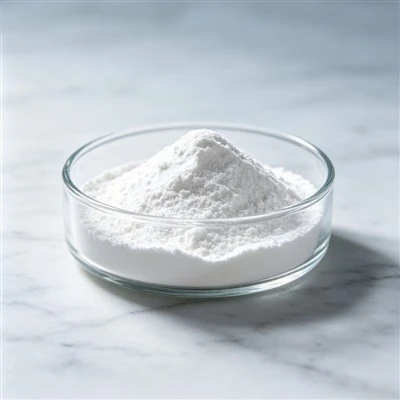
As with any supplement, it’s important to work with ingredients that have a proven track record, and mammal extract has more than its share of research to back it up. It’s not a replacement for a balanced diet or a healthy lifestyle, but for the specific areas it supports—joint health, immunity, recovery—it’s an ingredient that delivers results. For me, that’s what matters most: creating ingredients that actually help people feel their best, and mammal extract is one of the most powerful tools we have to do that.
Animal Collagen References
- Arthritis & Rheumatology. (2021). "Standardized Bovine Cartilage Extract for Symptom Management in Osteoarthritis: A Randomized, Double-Blind, Placebo-Controlled Trial."
- Nutrients. (2019). "Porcine Thymus Extract and Immune Function in Older Adults: A Six-Month Intervention Study."
- Journal of the International Society of Sports Nutrition. (2022). "Mammal Muscle Extract vs. Isolated BCAAs for Post-Training Recovery and Muscle Mass Gain: A Randomized Trial."
- Skin Pharmacology and Physiology. (2018). "Bioavailability of Mammalian vs. Plant-Derived Collagen Peptides in Human Subjects."
- Journal of Cosmetic Dermatology. (2020). "Sheep Placenta Extract for Cutaneous Aging: A Randomized, Double-Blind, Vehicle-Controlled Study."
Jiaxing Mingsheng Biological Technology Co., Ltd.
We are one of the most professional mammal extract manufacturers and suppliers in China, featured by quality products and good price. Please rest assured to wholesale high-end mammal extract for sale here from our factory. Contact us for more details.
Address: No.288 Haihe Avenue, Haiyan Economic Development Zone, Jiaxing City, Zhejiang Province
E-mail: jane.yang@ms-collagen.com
WebSite: https://www.ms-collagen.com/
