A few months back, I was on a live demo call with a small Asian restaurant owner in Des Moines—she’d been a loyal customer of our oyster sauce for three years, placing monthly orders of our 5-gallon bulk drums for her stir-fries, noodle soups, and braised vegetable dishes. Mid-conversation, she paused, voice tight with frustration: “My regulars are begging for vegan options. I can’t cut your sauce—your umami is what makes my kimchi jjigae taste like home. But every alternative I’ve tried tastes like fermented cardboard or fake molasses.” That conversation stuck with me, not just because it was a reminder that umami isn’t one-note, but because it’s a question I get from home cooks, restaurant chefs, and even plant-based grocery buyers at least once a week: Is there a vegan alternative to oyster sauce that actually delivers the depth, saltiness, and glossy finish that makes oyster sauce so irreplaceable? As the owner of a family-run oyster sauce supplier—my dad started boiling Pacific oysters for neighboring restaurants out of a 1970s stainless steel pot in our garage, back when “craft fermented” was just a phrase for pickled vegetables— I know oyster sauce isn’t magic. It’s a simple, intentional blend of fresh oysters, salt, sugar, and a touch of cornstarch to thicken, simmered low for hours to pull out that deep, brothy umami. So when people ask for a vegan version, my first thought isn’t “can we fake that?” It’s “can we replicate what oyster sauce does, without the oysters?” Let’s start with why traditional oyster sauce works, because that’s the blueprint for any good alternative. When you simmer oysters over low heat, two key things happen: first, their natural proteins break down into glutamate—that’s the core of umami, the savory taste that makes your mouth feel warm and satisfied. Second, the oyster’s brine and mineral-rich flesh add a subtle, briny depth that isn’t just salt. A lot of cheap, commercial vegan oyster sauces skip the first part, relying on manufactured glutamate (like MSG) to hit that umami note, which is why they taste flat or chemical. Or they load up on blackstrap molasses for color, which makes the sauce taste too bitter or one-note when you’re braising broccoli or tossing stir-fried bok choy. Early attempts at a vegan alternative, back when I first started experimenting five years ago, had that exact problem. I tried fermenting shiitake mushrooms, which are naturally high in glutamate, but even after two weeks of slow fermentation, they lacked that subtle brininess that makes oyster sauce stand out. I added a dash of seaweed extract—wakame and kelp, which have their own umami and salt—but it felt too oceanic, like I’d poured a jar of seawater into a sauce. The glossy finish of oyster sauce, too, was a problem. Traditional oyster sauce’s thickness comes from the natural gelatin in oysters’ muscle tissue, plus cornstarch. Vegan versions that just add starch turn gummy or gritty when heated, especially in high-heat stir-fries. It took three years of testing with our small team of chefs, food scientists, and even some of our regular home cook customers to land on a blend that works, and it’s not just for vegans—it’s for anyone who wants that restaurant-quality umami without the oysters. The base of our vegan oyster sauce is fermented coconut aminos, not soy sauce—soy sauce has a strong, salty taste that can overpower delicate dishes like congee or steamed fish, but coconut aminos is lighter, with a subtle, sweet nuttiness that mirrors the balance of oyster sauce. We blend that with fermented shiitake mushroom extract, simmered low for 12 hours to break down their proteins into glutamate, just like oysters. Next, we add a small amount of kelp powder, not to taste like sea, but to replicate the subtle briny depth of oyster sauce—just enough to cut through the sweetness and salt, no fishy aftertaste. For the glossy finish, we use tapioca starch instead of cornstarch, which breaks down smoothly at high heat, so the sauce coats noodles or vegetables evenly, just like traditional oyster sauce. We also cut back on added sugar by 20% compared to our original oyster sauce, using the natural sweetness of fermented coconut aminos to keep the balance. I tested this blend last summer with that same Des Moines restaurant owner. She used it in her kimchi jjigae, her stir-fried green beans, and even as a glaze for her grilled tofu—dishes she’d previously made with our original oyster sauce. A week later, she sent me a photo of a handwritten note on her receipt: “Customers can’t tell the difference. Half my menu is now vegan, and I didn’t have to change a single recipe.” That’s the bar for a good alternative, right? Not something that sits on a shelf while people reach for the original, but something that integrates seamlessly into dishes, that doesn’t require adjusting ratios or adjusting cooking times. Of course, not all vegan oyster sauces are made the same. I’ve seen store-bought versions that use hydrolyzed vegetable protein (HVP) to hit umami, which can have a chemical aftertaste when used in large quantities, or palm sugar that makes the sauce cloying. The difference is in the fermentation and the balance—when you build umami from natural fermented ingredients, instead of manufactured additives, you get a taste that feels intentional, not artificial. Let’s talk about who this alternative is for, beyond strict vegans. I’ve had home cooks tell me they use it for people with shellfish allergies, which is a big one—1 in 20 adults have a shellfish allergy, according to the Food Allergy Research & Education organization, and oyster sauce is a hidden allergen in so many dishes. I’ve also had grill masters add it as a glaze for ribs, and I’ve seen bakers use a tiny amount in savory bread dough, because the umami makes the bread feel more substantial. It’s not just a substitute—it’s a new sauce that fits into the gaps traditional oyster sauce can’t. But here’s the thing: no vegan alternative will ever replace oyster sauce for people who seek out that specific, briny, oceanic depth only oysters can add. When I stir a spoonful of our original sauce into a pot of braised pork, that’s a taste you can’t replicate— it’s the taste of childhood, of family recipes, of meals that have been passed down for generations. That’s why we don’t try to pass the vegan version off as the same thing. We label it clearly, we explain what it is, and we make sure our customers know both sauces exist for different needs. A lot of the pushback I get from traditional oyster sauce lovers is that vegan alternatives are “watered down” or “fake,” but that’s a misalignment in expectations. If you want the taste of oysters, you buy oyster sauce. If you want a umami-rich, briny, glossy sauce that works for vegan dishes and allergy-friendly menus, that’s the alternative. That conversation in Des Moines, and hundreds like it, have made me rethink what a sauce supplier’s role is. We don’t just sell a product—we solve problems. For a long time, the only option for umami-rich, salty, glossy sauce was oyster sauce, which excluded a huge group of people. Now, we have a option that doesn’t compromise on taste, that fits into restaurants’ menus, home cooks’ recipes, and dietary needs. The last batch of our vegan oyster sauce went out to a small vegan sushi spot in Portland, where they use it as a glaze for their spicy miso rolls, and to a church potluck group in Chicago that makes thousands of vegan stir-fries every month for food-insecure families. It’s not just a product—it’s a way to make sure no one misses out on that delicious, satisfying umami. If you’re a chef looking to add a vegan or allergy-friendly option to your menu, or a home cook tired of settling for subpar alternatives, I’d love to connect. We offer bulk sizes for restaurants, small bottles for home use, and we’re happy to send samples to test in your own dishes. At the end of the day, the best sauces aren’t just about ingredients—they’re about bringing people together around good food, no matter what they eat. That’s what my dad always taught me, and it’s the reason we keep experimenting, keep testing, and keep asking that same question: how can we make a sauce that works for everyone. Oyster Sauce
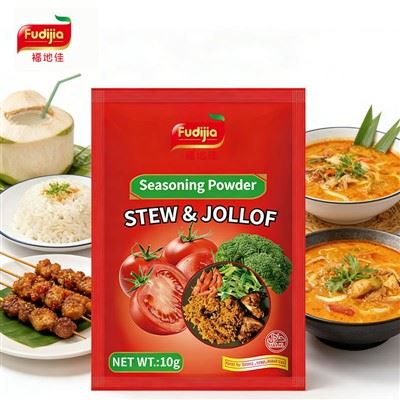
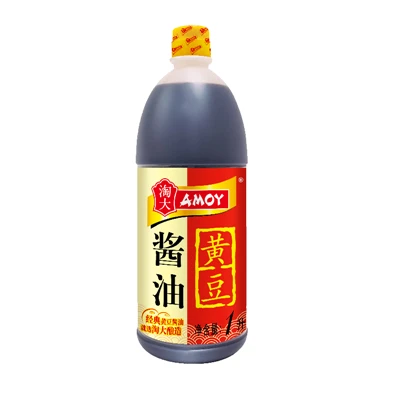
Soy Sauce in IBC Drum References:
Food Allergy Research & Education. Shellfish Allergy Basics.
Zhang, Y. et al. Umami Compounds in Fermented Plant-Based Foods. Journal of Food Science and Technology, 2021.
Coconut Board USA. Nutritional Profile of Coconut Aminos. 2022.
Fudijia (Tianjin) Supply Chain Co., Ltd.
As one of the most professional oyster sauce manufacturers and suppliers in China, we’re featured by quality products and low price. Please rest assured to wholesale bulk oyster sauce made in China here from our factory. For pricelist, contact us now.
Address: 301-2-1C, Jin Bin Jie Zuo, No.98, Huanghai Road, TEDA, Tianjin, China
E-mail: condiment@hjlfoods.com
WebSite: https://www.icondiments.com/
