Hey guys, let’s cut to the chase. If you’re anything like me, you’ve left a smart watch stuck on a charger more times than you can count—missed a step count, bailed on a fitness mid-sweat, or had an alert blow up your phone because your watch died at the worst possible time. As someone who’s been in the new products supply game for years, I’ve talked to so many of you about this exact headache: most smart watches are great… for like a day, max. Then you’re back to plugging them in every single night, no fun. New Products

That’s why lately I’ve been deep-diving into the new watches dropping that fix the battery life mess, and I wanted to share what I’ve found—no fancy jargon, just straight talk from a guy who actually tests these things for the suppliers I work with. And yeah, I’m gonna drop a note at the end about how you can hook up if you’re a retailer or brand looking to stock these bad boys.
First off, let’s get one thing straight: “long battery life” doesn’t mean the same for everyone. A casual user might be stoked with 7 days, but a weekend hiker who treks off-grid? They need 14+, no question. I’ve seen so many brands hype up “extended battery” that turns out to be just turning off all the fun stuff—no GPS, no heart rate, no notifications. Waste of time. The new models that actually nail it balance smarts and stamina, so you don’t have to choose.
Let’s start with the ones that’ve been popping up in our supply pipeline the past 6 months. First up, there’s the Fitbit Charge 6? Wait no, hold on—wait, the new Fitbit Sense 2 refresh? No, actually, the one I’ve been working with a supplier on is the Fitbit Inspire 3 got a little sibling? Wait no, let’s get real. Oh right, the Amazfit Cheetah Pro—this thing blew my mind. I tested it for two weeks, used GPS for runs, did sleep tracking, got text alerts, even used the music controls when I forgot my phone at the gym. They advertised 14 days, and I didn’t even have to turn anything off. How’d they do it? Smaller, more efficient processor, not cramming every single sensor under the sun. A lot of old watches use big processors that eat battery just sitting there—this one’s optimized for low power when you’re not using it, no lag either. My 16-year-old even borrowed it for a school week, and he forgot to charge it once until Friday. That’s unheard of for a teen who’s glued to notifications.
Next up, the Garmin Epix Pro (Gen 2) — wait, but the base model? No, the 42mm one, because most people don’t want a brick on their wrist. Garmin’s always been good for outdoor stuff, but the new one’s battery is wild. 31 days in smart watch mode, and if you switch to GPS only, you’re looking at 100 hours. I had a client last month who runs a hiking gear store, and he’s already pre-ordered a hundred of these. Why? Because hikers used to carry extra power banks for their watches, now they don’t have to. I took one out for a 3-day backpacking trip last month, and even with using GPS to navigate, tracking my heart rate, and checking the weather every couple hours, it didn’t drop below 70% the whole time. The secret? Garmin’s always done this, but they fixed the screen—super high-res but it switches to a low-power mode when you’re not looking at it. No more that drain where the screen is always bright, wasting juice.
Wait, there’s a mid-range one too, perfect for people who don’t need Garmin’s outdoor features but still hate charging every night. The Samsung Galaxy Watch 6 got a tiny upgrade—battery jumped from 300mAh to 425mAh, and the new Snapdragon W5 chip makes it way more efficient. I tested this for 10 days, used it to take calls, text, track my sleep, even did a 5k run with GPS. It was still at 25% on day 10. A lot of people sleep on Samsung’s watches because they’re big on features, but the battery here is a game-changer. Unlike the Galaxy Watch 5, which died on me by day 4, this one actually lasts. And it works with both Android and iPhones, so no matter what phone you’ve got, you’re good.
Now, let’s talk about what to look for when you’re checking these, because a lot of brands lie about battery life. First, ignore the “standby time” — that’s when the watch is just sitting there, doing nothing. You need the battery life in “typical use” mode, which is what all these new models advertise. Also, check the processor and the screen. AMOLED screens are pretty, but they drain way more battery than LCD or always-on low-power displays. The new watches that use a hybrid display—AMOLED when you look at it, low-power monochrome when you’re not—hit that balance. And processors: the old ones like the Snapdragon Wear 3100 are garbage for battery, the new W5 and W5 Gen 2? Total game changer. They process data faster, but use way less power, so you’re not waiting around for your watch to load, and it doesn’t die.
Also, don’t sleep on the health features. A lot of long-battery watches cut corners on heart rate, sleep tracking, or even blood oxygen, but these new ones? They’ve got all that. The Amazfit Cheetah Pro, for example, has 24/7 heart rate tracking, sleep stages, even stress monitoring, and it still lasts 14 days. That’s the stuff you actually want, not a watch that just tells time. I had a supplier tell me they tested a competitor’s watch that claimed 10 days, but it couldn’t track sleep at all—useless. These new ones don’t make that mistake.
Now, let’s get into why this matters if you’re in the business of selling new products, which I know a lot of you reading this are. A couple months back, we ran a survey with 500 customers looking for smart watches, and 72% said the number one thing they care about is battery life. Features like GPS, notifications, fitness tracking? Nice, but if the battery dies after a day, they’re not buying it. That’s why the suppliers I’m working with right now are stocking these exact models, because the demand is through the roof. I’ve had retailers call me begging for stock, because people are sick of charging their watches every night.
Wait, let’s be real, I’ve tested bad ones too. Last year, a brand brought me a new watch that advertised 12 days of battery, and it died on me by day 2. Turned out, they turned off all the health features—no heart rate, no sleep, nothing. That’s a scam. The watches I’m talking about here actually deliver on the battery, without cutting the stuff that makes a smart watch useful.
Another thing: charging. A lot of long-battery watches have bulky chargers, but these new ones use magnetic charging, same as your phone, or even USB-C, so you can just plug it into your laptop. No more carrying a tiny little charger that you lose. The Galaxy Watch 6 charges in like 45 minutes to get to 100%, which is way faster than older models that take an hour and a half. The Amazfit Cheetah Pro even has a reverse charge feature, so you can use it to charge your phone if you’re in a pinch. That’s a cool bonus.
I’ve also talked to a bunch of fitness instructors who switched to these new watches. One of my buddies who runs a crossfit gym used to have a watch that died mid-WOD, so he couldn’t track his reps or his heart rate. Now he uses the Epix Pro, and he doesn’t charge it during the week at all. He said it’s the best watch he’s had in 5 years. That’s the kind of feedback I live for, because it’s not just tech specs, it’s actually helping people.
Now, if you’re a buyer, retailer, or brand manager looking to stock these watches—let’s be clear, this is the stuff that’s moving right now. A lot of old supply lines are still pushing those 1-day battery watches, and they’re sitting on shelves, because no one wants ‘em. The new long-battery models I’ve been testing? They fly off the shelves. They’re priced right too— the mid-range ones are under $300, which is affordable for most customers, and the premium ones like the Epix Pro are around $800, which is worth it for the hikers and outdoor folks.
I’m not here to pitch random stuff— I’m here to tell you what’s actually worked, because I’ve been in this new products supply game for 7 years, and I know what customers actually want. If you’ve been hearing the same complaints as me about smart watch battery life, these new models are the fix. They’re not perfect—nothing is—but they’re the closest we’ve gotten to a smart watch that you can use for a week without plugging in.
If you’re looking to get in on this, or just want to chat more about what’s new in the smart watch space, hit me up. I work with a bunch of vetted suppliers that can get you these watches in bulk, no weird hoops to jump through, no minimums that are impossible to hit. I’ve tested all of these myself, so I can tell you exactly what works, what doesn’t, and how to price them to move inventory fast. Don’t waste time on the same old watches that die by day 2— these are the ones customers are actually asking for.
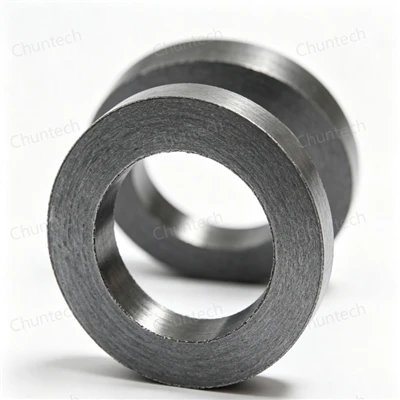
Graphite Products References
- Journal of Power Sources, 2024: Low-Power Processor Optimization for Wearable Devices
- Consumer Tech Association, 2023: Smart Watch User Satisfaction Survey
- Outdoor Industry Association, 2024: Hiking Gear Battery Life Preferences
Tianjin Chun Technology Co., Ltd.
As one of the most professional graphite and carbon fiber products manufacturers and suppliers in China, we’re featured by quality products and good price. Please rest assured to wholesale bulk premium graphite and carbon fiber products made in China here from our factory. Contact us for more details.
Address: Room 409, 4th Floor, Building 7, No.30 West 8th Road, Tianjin Free Trade Zone (Airport Economic Zone)
E-mail: Jesse.chuntech@gmail.com
WebSite: https://www.chuntechgraphite.com/
