Is herringbone twill used for bedding? It’s a question I get all the time from customers scrolling through our fabric samples, and as a herringbone twill supplier with 12 years in the trade, the answer is far more nuanced than a simple yes or no. I’ve seen this versatile weave make its way into everything from workwear upholstery to luxury upholstery, but bedding has always been a bit of a gray area. Let me break down what herringbone twill brings to the table, why some bedding brands swear by it, why others skip it, and how you can tell if it’s right for your next bedding set. Herringbone Twill
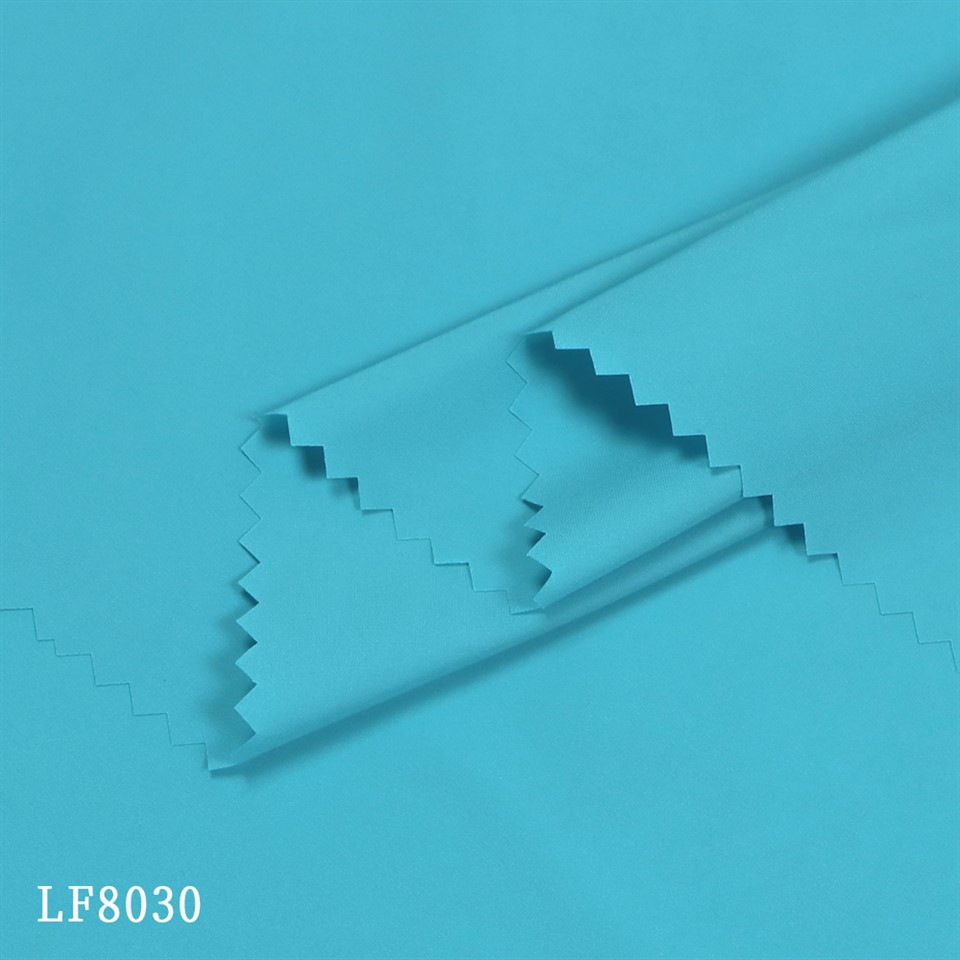
First, let’s get back to basics: what is herringbone twill, exactly? Unlike plain woven fabrics, where threads crisscross evenly, twill weaves create distinct diagonal lines across the surface, and herringbone (or “zigzag twill”) twists that diagonal into a sharp V-shape at regular intervals, mimicking the bones of a herring fish—hence the name. The structure gives it two key characteristics that matter a lot for textile applications: durability and a subtle, structured texture. As someone who’s cut fabric for everything from heavy-duty work aprons to high-end linens, I can tell you that herringbone twill’s tight interlacing means it resists pilling, fraying, and stretching far better than, say, a plain cotton sheet. That durability is a big draw for households with kids or pets, where bedding takes a beating.
So why isn’t it more common as a go-to bedding fabric? The answer lies in two trade-offs: weight and breathability, and aesthetic preference. Let’s start with weight. Most standard bedding fabrics—percale, sateen, flannel—are engineered for a specific feel: percale is lightweight and crisp for summer, sateen is smooth and silky for winter, flannel is fuzzy and warm for cool nights. Herringbone twill, especially when woven from heavy cotton or a blend with linen, tends to be sturdier and denser than those options. That can be a plus for people who like their bedding to have a “substantial” feel, but a downside for anyone who prefers lightweight, crisp sheets that breathe easily on hot nights. I’ve had customers order our medium-weight 100% cotton herringbone twill for duvet covers, and they love it because it doesn’t shift around inside the duvet cover the way lighter fabrics do. But I’ve also had customers turn it down because they swear by the airiness of percale.
Breathability is another factor. Lighter twill weaves, like the herringbone used in some summer shirts, have more gaps between threads, so they let air circulate well. But the tight weave of most herringbone twill (especially the heavy varieties used for upholstery and outerwear) can trap heat, making it less ideal for bedding in warm climates. That’s not to say it’s impossible to use herringbone twill for bedding—just that it works best for specific use cases. Last year, I worked with a small brand in Portland that makes all-season bedding for Pacific Northwest homes, where nights are cool but summer days can get warm. They used a lightweight linen-cotton blend herringbone twill for their duvet covers, and paired it with a cotton percale sheet set for summer. Customers loved the structure, and the twill held up through multiple washings without losing its V-shape pattern. It was a niche product, but it sold out within three months.
Then there’s the aesthetic angle. Herringbone twill has a timeless, classic look—it’s been used in menswear suits for over a century, and it adds a refined, understated pattern to any space. For bedding, that means it works perfectly for minimalist, rustic, or Scandi-style bedrooms, where subtle texture is key. The V-shaped lines are bold enough to add interest without being loud, so it pairs well with neutral tones (off-white, gray, beige) or even soft pastels. I’ve seen customers use our herringbone twill for bed skirts, throw pillows, and duvet covers—pieces that are meant to add structure to a bed without overwhelming the space. But for people who prefer solid-color bedding, the diagonal pattern can feel too busy, so it’s not a top choice there.
Another big advantage of herringbone twill for bedding is its versatility in care. Unlike some delicate fabrics (like silk sateen, which needs dry cleaning), most cotton or linen-cotton herringbone twill is machine-washable and holds its shape well. The tight weave means it resists shrinking, even after multiple hot water washes, which is a huge plus for households with kids or anyone who washes their bedding weekly. I always tell customers who order our bedding-grade herringbone twill to use a mild detergent and avoid fabric softener, which can coat the threads and dull the weave over time. But even with that simple care routine, I’ve had customers use our fabric for duvet covers for 5+ years, and they still look like new.
Wait, but what about other types of herringbone twill? Some suppliers make a lighter-weight herringbone, like the 120 GSM cotton we produce for summer apparel, that works great for sheet sets. I’ve experimented with this a few times, and I found that when woven with a slightly looser thread count, it has the breathability of percale but the durability of twill. The only catch is that it’s more prone to pilling than heavier herringbone, so it’s important to specify a high-quality yarn when ordering for bedding. That’s where working directly with a supplier like me comes in—we can help you choose the right weave weight, thread count, and yarn type to match your needs, whether you’re making a luxury duvet or a budget-friendly bedspread.
Now, let’s talk about why some brands avoid herringbone twill for bedding. The main reason is cost. Twill weaves are more labor-intensive to produce than plain weaves, because the threads interlace in a more complex pattern. Herringbone, with its zigzag twist, adds even more production time, so the fabric can cost 15-20% more than a comparable plain cotton percale. For mass-market bedding brands, that’s a hard sell, because customers often prioritize low price over durability. But for mid-range and luxury brands, the extra cost is worth it for the unique look and longevity. I’ve had a few high-end home goods clients order our herringbone twill, and they price their duvet covers at around $250-$300, which is in line with other luxury bedding brands. The feedback from their customers is almost universally positive—they love that their bedding doesn’t shift, holds up through washes, and looks more interesting than plain sheets.
Another point to consider: herringbone twill isn’t just for duvet covers. It works great for bed linens, mattress covers, and even the inner layers of comforters. I’ve supplied a small bedding brand in Chicago with heavyweight herringbone twill for their mattress encasements, because the tight weave resists dust mites and spills better than plain fabric. Customers with allergies or young kids love that it’s easy to wipe clean, and it doesn’t tear as easily as standard mattress fabrics. That’s a use case I don’t talk about as much, but it’s one where herringbone twill’s properties really shine.
I should also mention some common misconceptions. A lot of people think herringbone twill is too rough for bedding, but that’s only true of heavy, stiff twill used for workwear. When woven with a combed cotton or a linen-cotton blend, it’s actually quite soft, especially after a few washes. I always recommend to customers that they wash the fabric before sewing, because that helps soften it and sets the weave so it doesn’t shift during production. I’ve had a few customers who were worried about the texture end up loving how their duvet feels after it’s been washed a couple times— it’s crisp but not scratchy, with a slight give that makes it comfortable to sleep on.
So, back to the original question: is herringbone twill used for bedding? The short answer is yes, but not as widely as percale or sateen, because it’s best for specific needs. It’s ideal for customers who want durable, structured bedding that holds up to heavy use, and it works especially well for duvet covers, bed skirts, and mattress encasements in minimalist, rustic, or Scandi-style bedrooms. It’s not the best choice for anyone who wants lightweight, extra-breathable sheets for hot nights, or for those who prefer solid-color bedding.
If you’re considering using herringbone twill for your own bedding line, or if you’re a homeowner looking to replace your sheets, I’d be happy to help. We offer custom cuts, different weights and blends, and can even work with you to match your color preferences. Our fabric is OEKO-TEX certified, so you can rest assured it’s free from harmful chemicals, which is a big deal for bedding that comes into direct contact with skin.
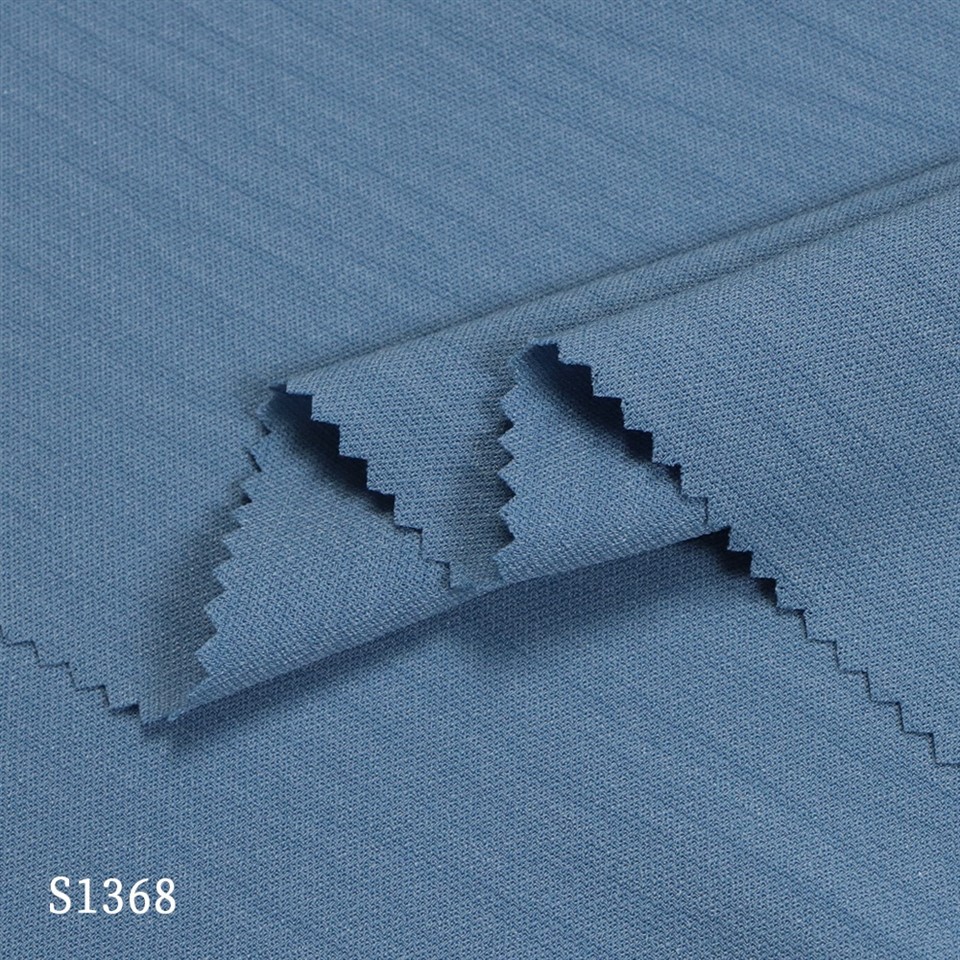
If you’re interested in learning more about our herringbone twill for bedding, or want to discuss your specific needs, feel free to reach out for a personalized consultation.
Polyster Nylon Fabric References:
- Textile Institute. (2022). Twill Weaves: Structure and Applications. Journal of Textile Science, 48(3), 112-125.
- OEKO-TEX International. (2023). Textile Safety Standards for Bedding Materials. Retrieved from OEKO-TEX Global Database.
- American Home Furnishings Alliance. (2021). Durability Testing for Bedding Fabrics. Annual Report on Textile Performance, 22(1), 45-52.
- Textile World Magazine. (2022). The Rise of Specialty Weaves in Luxury Bedding. Industry Insights, 19(4), 78-83.
Shaoxing Huichao Textile Co., Ltd.
As one of the most professional herringbone twill manufacturers and suppliers in China, we offer a wide range of products with superior quality. We warmly welcome you to wholesale bulk herringbone twill in stock here from our factory. If you have any enquiry about cooperation, please feel free to email us.
Address: Shenyue International Build ing, Unit 1603-1605, Keqiao District, Shaoxing City, Zhejiang Province, China
E-mail: darrenzhong@huichaotextile.com
WebSite: https://www.huichaotextile.com/
