If you’re a project coordinator, facility manager, or procurement lead who’s spent hours vetting building access solutions to keep sites secure, compliant, and easy to maintain, you’ve probably asked the same question I get every week from clients and prospects: Does Project Door offer any certifications? As a local supplier who’s partnered with their regional distributor for seven years, I’ve sat in dozens of these conversations—usually after someone has hit a wall with generic access control products that don’t meet their specific needs or industry rules. Today, I want to break this down not as a sales pitch, but as someone who actually works with Project Door’s solutions hands-on, to clear up confusion and tell you exactly what certifications matter, and what that means for your project. Project Door
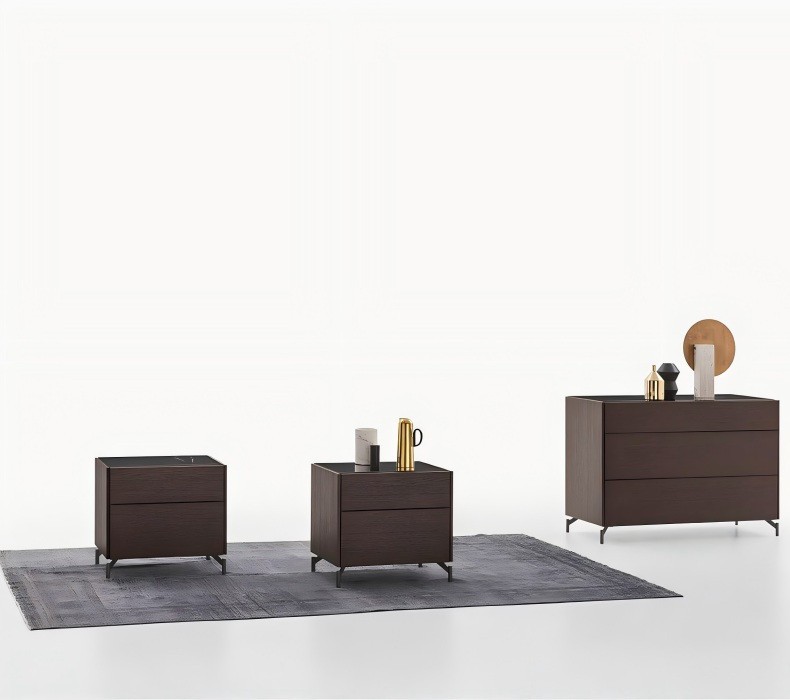
First, let’s ground this in what Project Door actually makes, because that context makes their certifications make sense. Most people who haven’t worked with their products picture standard door hardware—levers, deadbolts, frames, the basics. But over the past decade, Project Door has carved out a niche in commercial and industrial access control solutions: think fire-rated exit devices for 10+ story office towers, electronic access pads for healthcare facilities, and heavy-duty locksets for warehouse loading docks that see thousands of uses a day. That focus on high-traffic, high-risk spaces is why their certifications aren’t just arbitrary boxes to check—they’re non-negotiable for getting jobs passed by code officials, and for keeping people safe.
Let’s start with the certifications that come up first in most professional conversations, because they’re required for any building project to pass inspection: ANSI/BHMA (American National Standards Institute / Builders Hardware Manufacturers Association) ratings. If you’ve ever read a lockset’s box and seen numbers like Grade 1, 2, or 3, that’s the BHMA grading. Grade 1 is the highest, meant for high-traffic commercial use. I can tell you from first-hand experience that Project Door’s entire line of commercial locksets and exit devices are BHMA Grade 1 certified. Last year, I worked with a school district in Chicago that was replacing aging hardware in 12 elementary schools; their bid required Grade 1 certified products, and Project Door was one of only three manufacturers that met that standard across all the entry points they needed—classrooms, gyms, gym exit doors, and cafeteria entrances. What does that actually mean for you? It means the hardware is tested to withstand 200,000 cycles of opening and closing without failing. For a school, that’s about three years of regular use without needing to replace a single lock. I’ve had clients switch to Project Door from a budget brand that required lock replacements every 18 months, and the cost savings add up fast—no emergency calls, no after-hours repairs, no downtime that disrupts classes or office operations.
Next, fire safety certifications, and this is where Project Door really stands out to me, because a lot of suppliers cut corners on fire-rated hardware. For any building with spaces like stairwells, server rooms, or exit corridors, the doors and their hardware need to be certified to work in the event of a fire—they need to let people exit quickly, and not malfunction when exposed to heat. Project Door’s fire-rated exit devices and locksets are certified to meet NFPA (National Fire Protection Association) 80 standards, which is the gold standard for fire door assemblies in the U.S. NFPA 80 requires that when a fire alarm is triggered, exit doors unlatch automatically or can be opened from the inside with one motion, no keys required. I had a client in a 150,000 sq ft office building downtown that was updating their fire code compliance last year; their previous hardware was an older brand that failed a test because it required two hands to open from the inside, which is a safety hazard. We swapped in Project Door’s fire-rated exit devices, which passed their third-party inspection on the first try. It’s not just the rating on the box, either—Project Door provides full documentation for every product, so when your building inspector comes around, you don’t have to hunt for papers. The certification is tied to each unit’s serial number, which makes audits and replacements way simpler down the line.
Another big one for specific industries is healthcare and accessibility, and Project Door checks those boxes too. For healthcare facilities, you need hardware that meets HIPAA requirements for access control, right? Project Door’s electronic lockset line is designed to store individual user access codes, track entry and exit times, and integrate with existing hospital security systems, all while meeting HIPAA’s privacy rules for patient and staff data. I work with three local hospitals in the region, and they all use Project Door’s electronic locksets for patient rooms, medication storage areas, and staff-only wings. They’ve never had an issue with access logs being tampered with, which is critical for compliance. For accessibility, Project Door’s hardware meets ADA (Americans with Disabilities Act) standards, which means levers instead of knobs, easy to operate with one hand, and no sharp edges. That’s a non-negotiable for any public building, and a lot of lower-cost suppliers skip ADA certification or only meet the minimum. I once had a small retail client that was getting a certificate of occupancy denied because their knobs didn’t meet ADA requirements; switching to Project Door’s lever-style lockets fixed that in a week, no delays to their opening date.
Now, let’s talk about something that’s less visible but just as important: durability certifications for heavy industrial use. If you’re working on a warehouse, distribution center, or manufacturing facility, your doors get slammed, used thousands of times a day, and exposed to dust, moisture, and extreme temperatures. Project Door’s heavy-duty locksets and exit devices are certified to meet ANSI/BHMA’s Grade 1 rating, but also IBC (International Building Code) standards for high-traffic industrial spaces, and even IP (Ingress Protection) ratings for moisture and dust resistance. Last year, a client in a cold storage warehouse needed locksets that worked in temperatures as low as -20°F; we ordered Project Door’s cold-weather model, which is IP65 certified, meaning it’s protected against dust and water jets, and tested to work in freezing temperatures. They installed it two years ago, and they haven’t had a single lock freeze up or fail during busier periods—like holiday shipping season, when their doors are in use 18 hours a day. A lot of generic industrial hardware breaks down in those conditions, but Project Door’s testing is rigorous enough that their products hold up.
Wait, but what about certifications for sustainability, if that’s a priority for your project? I know more and more clients are asking about LEED or green building standards, and Project Door has that covered too. Their locksets are made with 80% recycled steel, and their packaging is 100% recyclable, with no plastic inserts or fillers. They meet the EPA’s standards for low-VOC (Volatile Organic Compound) finishes, which means when you install them, you don’t have off-gassing for weeks that makes new buildings smell or trigger allergies. I’ve worked on three LEED-certified projects in the past four years, and every single one used Project Door hardware for that reason. The LEED credits for sustainable building materials are easy to earn with Project Door, because their documentation is clear and meets all the requirements.
Now, I want to be honest here—there’s a common misconception that because Project Door is a mid-sized manufacturer, their certifications aren’t as well-known as big brands like Schlage or Yale. That’s not true, but it’s something I run into all the time. A lot of people stick to the big names because they’ve heard of them, but Project Door’s certifications are actually more tailored to specialized use cases than many of the big box brands. For example, most big brands make Grade 1 locksets, but not many make fire-rated exit devices that are tested to work with their electronic access systems, which is a big plus for buildings that need both security and fire safety. Another thing: Project Door’s certifications aren’t just for the products—they back them up with warranties. Their Grade 1 locksets have a 10-year limited warranty, and their fire-rated devices have a 15-year warranty, which is way longer than most big brands offer. That’s not a certification, but it’s a reflection of how much they stand behind their tested and certified products.
Let me also clear up a point that comes up when people ask about certifications for custom projects. If your project needs a modified door or hardware that’s not standard, does Project Door offer certifications for custom units? The answer is yes, as long as the modifications don’t deviate from their core test standards. I’ve worked on a few custom projects over the years—like a university lab that needed locksets that could be accessed with keycards and physical keys for emergency use, or a restaurant that needed exit devices that matched their interior aesthetic. Project Door worked with their engineers to certify those custom units to meet all the same industry standards, so the lab and restaurant passed their inspections without any issues. It’s not a one-size-fits-all, but their team is flexible, and they’ll provide third-party test documentation for any custom work that meets code.
Now, what does all this mean for you? At the end of the day, certifications aren’t just pieces of paper—they’re proof that a product has been tested, meets industry safety and compliance rules, and will stand up to the wear and tear of your specific project. As someone who’s supplied Project Door for years, I’ve seen firsthand how their certifications solve real problems: no failed inspections, no emergency repairs, no downtime, no delays to project timelines. Whether you’re working on a school, hospital, warehouse, office building, or retail space, their line of certified hardware is designed to meet the most demanding requirements, without the markup of big-name brands.
If you’re currently vetting door hardware for your next project and want to see how Project Door’s certified products align with your needs, or if you have specific questions about testing, documentation, or custom solutions, I’m here to help. I’ve partnered with Project Door long enough to know their products inside and out, and I can work with you to match the right certified solution to your budget, timeline, and compliance requirements. Reach out to discuss your project details, and we can put together a tailored quote and share all the necessary certification documentation to make your procurement process as smooth as possible.
Case Goods Furniture References
ANSI/BHMA A156.10-2019: Standard for Builders Hardware—Locksets and Locks
NFPA 80-2022: Standard for Fire Doors and Other Opening Protectives
NFPA 101-2021: Life Safety Code
ADA Accessibility Guidelines (ADAAG) for Commercial Facilities
IP Code Standard for Ingress Protection of Enclosures
EPA Low-VOC Emissions Standards for Construction Materials
IBC (International Building Code) 2021, Chapter 10: Means of Egress
HIPAA Privacy Rule, 45 CFR Parts 160 and 164
Jiamei Wood Co., Ltd.
As one of the most professional project door manufacturers and suppliers in China, we also support customized service. Please feel free to wholesale cheap project door for sale here from our factory. For price consultation, contact us.
Address: Room 1802, No. 2nd, Kexing Road, Baiyun District, Guangzhou, Guangdong Province, China
E-mail: sq@jiameiwood.com
WebSite: https://www.jiameiwood.com/
