If you’ve ever watched a cardboard box zip along a packaging line and seal tight before it even reaches the next station, or held a perfectly bonded label on a jar that stays put through a few drops in the sink, you’ve seen a glue applicator doing its job. As a glue applicator supplier, I get asked all the time: how does a machine that just doles out glue actually work? It’s not just a “glue dispenser”—it’s a precision tool that balances chemistry, engineering, and timing, built to do one thing: apply the right amount of glue, exactly where it needs to go, every single time. Let me break that down, straight from the guys who build and maintain these systems for manufacturing lines across dozens of industries. Glue Applicator
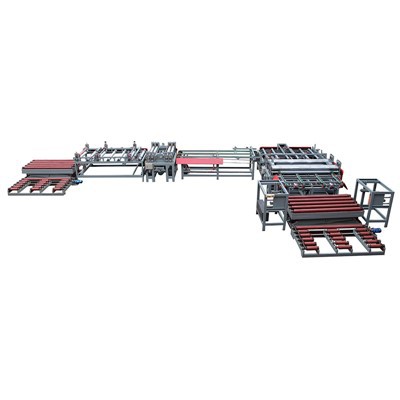
First, let’s start with the basics: glue applicators aren’t one-size-fits-all, and their inner workings change based on the type of adhesive they’re designed to use. That’s the first key point most people miss. You wouldn’t use a machine built for hot melt glue to apply cold water-based adhesive to a porous cardboard box, just like you wouldn’t use a cold glue system for a heat-sensitive label that would melt if exposed to high temperatures. That’s why we spend so much time with our customers upfront, matching the right applicator to their specific glue and application task. But let’s pick the most common type we work with—hot melt glue applicators, which are workhorses in packaging, woodworking, and automotive assembly—to walk through how they operate step by step.
The very first part of the process is the glue reservoir. That’s the holding tank, usually insulated and temperature-controlled, that keeps the solid glue pellets or sticks in a melted, workable state. Here’s where the engineering starts to matter: the temperature control isn’t just set it and forget it. A hot melt adhesive’s viscosity (that’s how thick or runny it is) changes with temperature, so if the reservoir runs too cold, the glue is too thick to flow through the hoses and nozzles, leading to uneven, lumpy applications. Too hot, and the glue breaks down chemically, losing its bonding strength, or even starts to smoke—a fire hazard we take very seriously. Our applicators have precision thermocouples that track the temp within a single degree, and they automatically adjust heating elements to keep it consistent, even if production ramps up or slows down. That’s a big part of why our customers don’t waste glue or scrap parts from bad applications.
Next, the melted glue has to get from the reservoir to the point where it’s applied, and that’s done through heated hoses. These aren’t just regular rubber hoses—they’re insulated and heated along their entire length, to match the reservoir temperature. If the hose cools even a little, the glue would start to solidify inside, clogging the line and bringing production to a halt. I’ve seen first-hand what a clogged hose does to a busy packaging line: one minute boxes are sealing correctly, the next, glue is backing up, and you have to shut down the entire line to tear out and clean the hose, which can cost thousands of dollars in lost production time. That’s why we design our hoses with extra insulation and consistent heat, and we also include filters at regular points in the line to catch any tiny debris or undissolved glue particles before they can reach the nozzle.
Now, the part that actually dispenses the glue: the pump system. This is the heart of the applicator, and it’s what controls how much glue comes out, and when. There are a few different pump types, but the two most common are gear pumps and piston pumps, and which one we use depends on the application. Gear pumps are great for consistent, low-volume applications—like applying a thin bead of glue along a box seam. They have two interlocking gears inside a housing; as they spin, they trap glue between the gear teeth and push it through the hose, delivering a very precise, steady flow rate. Piston pumps, on the other hand, are better for higher-volume, variable applications—like a big dot of glue for automotive interior trim, or a thick line for laminating wood panels. They work like a tiny plunger: when the pump opens, it pulls a measured amount of glue from the reservoir, then when it closes, it pushes that exact volume out through the nozzle. The cool part is that both pump types are controlled electronically, so you can adjust the flow rate in real-time, either manually or by syncing the applicator to the rest of your production line’s PLC (programmable logic controller). That sync is critical for timing: if a box is moving down the line at 10 feet per minute, the applicator has to know exactly when to open the nozzle, how long to leave it open, and when to close it, so the glue bead lands perfectly on the seam, not half on the box and half in empty space.
Speaking of nozzles: that’s the final piece that shapes the glue before it hits the surface. Nozzles come in all shapes and sizes—tiny pinholes for micro-precision applications like bonding electronics, wide slit nozzles for covering a whole surface with adhesive, and even custom-shaped nozzles for specific parts. They’re also heated, same as the hoses and reservoir, so the glue doesn’t cool and clog before it’s applied. A lot of people think the nozzle is just a little tip, but getting it right makes all the difference. If the nozzle is slightly worn, or the heat is off, the glue will spread unevenly, or form little “tails” where the glue pulls away after dispensing. That’s called “stringing,” and it’s a huge waste of glue, not to mention a safety hazard if stringy glue gets onto other parts of the production line. Our nozzles are made from durable materials like stainless steel, and we work with customers to choose the right size and shape for their exact job to eliminate stringing and get a clean, consistent application every time.
Of course, not all glue applicators use hot melt glue. If you’re working with a food product, for example, you can’t use hot melt glue, which often has additives that aren’t food-safe. So you’d use a cold applicator, designed for water-based or solvent-based adhesives, which don’t need to be melted. How does that work differently? Instead of a heated reservoir and hoses, cold applicators use pressurized air to push the glue from a bucket or drum through the system, and the pump is often a diaphragm pump, which is gentler on water-based glues that can break down if mixed too roughly. The timing and nozzle part is similar, but without the heat, it’s simpler in some ways, though you have to worry more about the glue drying inside the lines when production stops. That’s why we add flush systems to our cold applicators, so customers can run a little water or solvent through the lines to clean them out after a shift, preventing clogs and extending the life of the equipment.
Another type we deal with a lot are pressure-sensitive glue applicators, used for labeling, where the glue is on a roll and the applicator applies pressure to the label to bond it to the surface. These work a little differently too, often integrating directly with label dispensers, so they apply just the right amount of adhesive to the back of the label before it’s pressed onto a jar or bottle. The key here is speed: when you’re labeling 500 bottles a minute, the applicator has to be fast and precise, so you don’t get mislabeled products that have to be reworked.
Now, let’s talk about what goes on behind the scenes that most customers don’t see. Our team doesn’t just sell applicators—we help our customers integrate them into their existing lines. We’ll do a site survey, test different adhesives on their parts, adjust the pump settings, and even train their operators on how to maintain the equipment. Because even the best applicator will break down if you don’t take care of it. The good news is that most issues are preventable: regular cleaning of the reservoir, changing filters on schedule, checking nozzle wear, and calibrating the temperature and flow rates every few months. We offer maintenance packages and 24/7 support, because we know that when your line is down, you need it fixed fast.
I’ve been in this industry for over 15 years, and one thing I’ve learned is that the best glue applicators aren’t the most complex ones—they’re the ones that do exactly what you need, without unnecessary parts that can break. A lot of manufacturers try to cut corners on applicators by buying cheap, off-the-shelf models, but the cost of downtime, wasted glue, and scrap parts ends up being way higher than investing in a quality system from the start. That’s why so many of our customers have been with us for decades, upgrading their lines as their business grows, instead of switching to another supplier every few years.
If you’re dealing with inconsistent glue applications, clogging lines, too much waste, or downtime that’s killing your production goals, we can help. Our team will work with you to assess your specific needs, recommend the right glue applicator, and make sure it’s installed and running smoothly, with ongoing support to keep it performing for years. Whether you need a small system for a packaging line, a large-scale unit for automotive assembly, or something custom for a unique application, we have the expertise to get it right. Don’t let glue application problems slow your business down—reach out to start a conversation about your needs today.
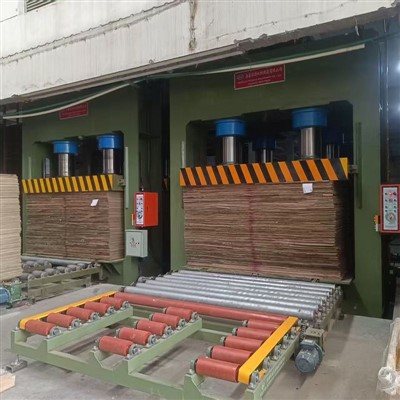
Hot-press for Plywood References
- Handbook of Adhesives and Sealants, 2nd Edition. McGraw-Hill, 2015.
- Hot Melt Adhesives: Technology and Applications. Smithers Rapra, 2018.
- Industrial Fluid Dispensing Systems: Design and Operation. ISA, 2020.
- Food-Grade Adhesives and Dispensing Equipment: Regulatory and Operational Guidelines. NSF International, 2019.
- Precision Pumping for Industrial Dispensing. Pump Industry Magazine, 2021.
Jiashan Changle Machinery Manufacturing Co., Ltd.
Address: Building 12, Zone A, Wanyang Innovation City, No. 23 Yucao South Road, Ganyao Town, Jiashan County, Jiaxing City, Zhejiang Province
E-mail: Changle84615620@163.com
WebSite: https://www.changlejx.com/
