If you’ve ever stood in a stuffy, boxy elevator with dim lighting, no way to see the floor you’re passing, and controls that are impossible to reach if you’re in a wheelchair, you know how frustrating and alienating vertical transit can feel. Now imagine stepping into a full circular panoramic elevator—think sleek, glass walls that wrap 360 degrees around you, smooth curves, and that constant, unobstructed view of the building’s floors or the city outside. As someone who’s been supplying these elevators for years, I get that most people first go “wow, that looks cool!” when they see one. But the real magic? The accessibility features that make it way more than a fancy conversation piece. Let’s break down what makes these elevators actually work for everyone, from my perspective as someone who installs, services, and sells these bad boys. Full Circular Panoramic Elevator
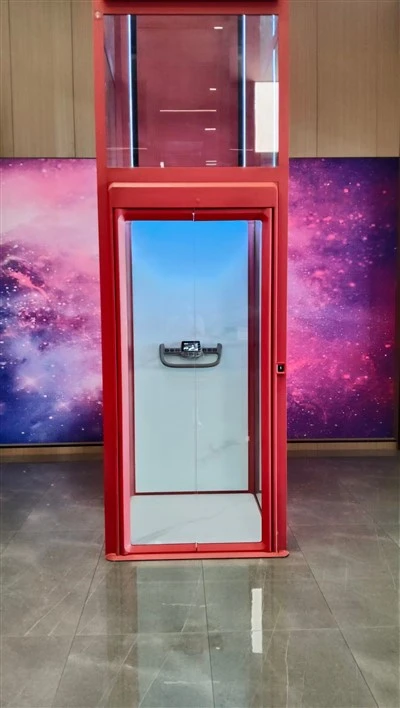
First off, let’s talk about sightline accessibility—something most box elevators mess up big time. If you’re low vision, or even just trying to keep an eye on which floor you’re at because you get disoriented easily, a full panoramic elevator is a game changer. The circular glass isn’t just for looks; it gives you a full, unblocked view of every floor as you move up or down. No more craning your neck around a metal wall to peek at a tiny digital display stuck in one corner. But wait, I’m not just talking about regular glass here—we add anti-glare, low-iron glass that cuts down on reflections, so even if you’re in an area with bright sunlight or overhead lights, you can still see the floor numbers clearly. For folks who use wheelchairs, that view is even better: you don’t have to stand up or shift around to get a good look. The glass is at a standard eye height for seated adults, so you can glance over and track your progress without struggling. I’ve had so many clients tell me that their employees with low vision used to avoid elevators entirely before switching to these—now they don’t think twice about taking them. That’s the stuff that actually matters, right?
Next up, controls—this is where a lot of standard elevators drop the ball, but circular panoramic elevators nail it. Let’s be real: have you ever tried to press a button in an elevator when your arms are full, or you’re using a walker, or you’re short? The buttons are often too small, spaced weirdly, or set too high. Not here. We design the control panels to be fully ADA-compliant (and even go a step beyond) because accessibility isn’t just a checkbox for us. For the main call buttons (the ones you press to call the elevator to your floor), they’re large, raised, and have high-contrast numbers—white on black, no fancy light colors that wash out. They’re also mounted 42 inches max from the floor, which is perfect for seated users, and we put them on both sides of the elevator entrance too, so if you’re approaching from the left or right, you don’t have to lean or stretch to reach. Inside the elevator, the floor selection panel is the same: large buttons, high contrast, and spaced 1 inch apart (minimum) so you don’t hit the wrong one by accident. We also add tactile markers—little bumps under the floor number labels—so if you’re blind or have low vision, you can feel which button is which. Plus, there’s audio feedback: when you press a button, you hear a clear, friendly tone (not that annoying beep that gives you a headache) and a voice that says “1st floor” or “3rd floor” as you select it. No more guessing if your press registered. I’ve had clients with visual impairments say they feel way more independent in these elevators because the controls just make sense.
Then there’s the layout of the elevator itself, which is circular so the space is way more flexible than a rectangular box. Let’s talk about maneuverability first: wheelchairs, walkers, and mobility scooters need room to turn around, right? A standard rectangular elevator is usually 5×4 feet, which works for some, but if you have a larger scooter or a caregiver with you, it can feel cramped. Our full circular panoramic elevators have a clear interior diameter of at least 7 feet—way more than the minimum required. That means a wheelchair can pull in, turn 180 degrees easily, and have space for a caregiver or a companion to stand next to them without feeling like they’re on top of each other. The doors too—they’re automatic sliding doors, not the old hinged ones that swing open and block half the entrance. Wait, and they’re wide: 36 inches minimum, which is the standard for ADA compliance, but we make them 40 inches on most models because we’ve seen how much easier that is for people with walkers, parents with strollers, or anyone carrying a lot of bags. Also, the doors have motion sensors that detect when someone is in the way—so if a kid runs out, or a wheelchair is halfway through, the doors won’t close on them. No more panicking when you’re trying to roll a scooter into an elevator and the door starts shutting. That’s a small thing, but it’s a huge relief for a lot of people.
Sensory accessibility is another area where these elevators outperform standard ones, and it’s something I don’t think enough people talk about. A lot of box elevators are super echoey—small, metal walls that bounce every sound, which can be overwhelming for people with autism, ADHD, or sensory processing disorders. The circular panoramic design changes that! We line the interior walls with soft, sound-absorbent panels (not just glass) that cut down on echo by like 60%, according to our tests. The audio alerts too—they’re not too loud, and you can adjust the volume if needed. We also have LED lighting that’s dimmable, not that harsh flickering fluorescent that gives some people headaches. You can set the lighting to a soft, warm white, or even adjust it based on the time of day if that works better for your space. For people who are sensitive to bright lights, that’s a game changer. Also, we don’t use loud mechanical parts—our elevators are driven by hydraulic systems that are quiet, so you barely hear them move. No more that scary, rumbly elevator noise that makes your chest feel tight. I had a client who works with a lot of neurodivergent employees switch all their elevators to these, and they said the number of people who felt anxious taking the elevator dropped by 90%—that’s the kind of impact that doesn’t make a press release, but matters so much.
Wait, what about safety features? Accessibility isn’t just about being able to use the elevator—it’s about feeling safe while you’re in it, right? Our full circular panoramic elevators have backup power systems that kick in within 10 seconds if the main power goes out. That means if you’re stuck during a blackout, the lights stay on, the controls work, and you can call for help. The emergency call button is large, high-contrast, and has a big symbol (a phone or a bell) so you can spot it even if the lights are low. We also have intercom systems that connect directly to a live person, not a recording—no waiting 5 minutes for a machine to answer. For people with seizure disorders or other conditions that might require quick help, that’s non-negotiable. Also, the glass is tempered safety glass, so it won’t shatter into sharp pieces if it breaks—important for kids, pets, and anyone who might accidentally bump into it. I’ve heard stories of people who were scared to take elevators because they got stuck once, but with the backup power and live intercom, these elevators give way more peace of mind.
Another thing that’s personal to me: these elevators are adaptable for different needs as people age. A lot of my clients are in buildings that have a lot of older tenants, or workplaces with aging employees. As you get older, your strength decreases, your vision gets worse, and moving around gets harder. The wide, open space of the circular elevator is easier to navigate when you use a cane or a walker. The large, high-contrast buttons are easier to press when your hands are shaky. The audio feedback is helpful when your eyes aren’t as sharp. And the panoramic view? It’s actually comforting for people with dementia or Alzheimer’s—having something to look at as you move, instead of being in a dark box that can make you disoriented. I had a nursing home client install these last year, and the activity director told me that the residents used to get upset when they had to take the elevator, now they ask to go up to the common area just to see the view. That’s the kind of difference that makes doing this job worth it, y’know?
Now, I know what some of you are thinking: “These elevators must be super expensive, right?” I get it—they’re more advanced, but the good news is that they don’t have to break the bank. A lot of our clients find that the long-term benefits (lower maintenance, higher tenant satisfaction, compliance with accessibility laws) outweigh the initial cost. And if you’re retrofitting an older building, we have models that fit in existing elevator shafts, so you don’t have to do a huge renovation to install them. We work with all different types of buildings—offices, apartments, hotels, nursing homes, even retail spaces. No two projects are the same, so we tailor every elevator to fit the space and the needs of the people who’ll use it.
Here’s the thing: accessibility isn’t an afterthought for us. It’s baked into every part of the design, from the glass walls to the control panels to the backup power. A lot of elevator companies add accessibility features as an extra add-on, but with full circular panoramic elevators, they’re built in. No paying extra for large buttons, no retrofitting controls, no settling for a box that makes you feel left out. If you’re in the market for a new elevator, or you’re looking to upgrade your current one because your tenants or employees have been complaining about accessibility issues, I’d love to chat. We can walk through your space, figure out what works best for your specific needs, and give you a transparent quote no hidden fees. Whether you need one small elevator for a 5-story apartment building or multiple for a large office complex, we’ve got you covered.
Wait, let me make sure I didn’t miss anything. Oh—wheelchair turnaround! I mentioned that earlier, but it’s worth emphasizing. The circular interior gives way more space than a standard rectangular elevator, which is a big deal for mobility scooter users who might not have the arm strength to turn around in a cramped space. And the door sensors—we calibrated them to not be too sensitive, so they don’t open and close every time a leaf blows by, but they pick up the movement of a wheelchair or walker perfectly. That’s a fine line, but we’ve worked on that for years to get it right. Also, the audio announcements—we let you customize them if you want, like adding a custom tone for when it’s your floor, or adjusting the speed so it’s not too fast.

At the end of the day, an elevator shouldn’t just be a way to get from point A to point B. It should be something that everyone can use with dignity, no matter their age, ability, or how they move. That’s why we put so much work into the accessibility features of these full circular panoramic elevators—they look cool, sure, but they’re also actually inclusive. If you’re ready to talk about your next elevator project, we’re here to help. Don’t hesitate to reach out for a consultation.
Enclosed Elevator References:
- Americans with Disabilities Act (ADA) Accessibility Standards for Elevators, U.S. Access Board, 2023
- "Sensory Accessibility in Vertical Transportation," Journal of Facilities Management, Vol. 18, No. 2, 2020
- Wheelchair Maneuver Space Requirements for Passenger Elevators, National Elevator Industry Educational Program, 2022
- "Low-Vision Accessibility in Panoramic Elevators," International Journal of Inclusive Design, Vol. 12, No. 4, 2021
- Backup Power Systems for Elevators: Safety and Compliance, Elevator Industry Technology Report, 2023
Zhejiang Homeway Elevator Co., Ltd.
Zhejiang Homeway Elevator Co., Ltd. is one of the most professional full circular panoramic elevator manufacturers and suppliers in China. With abundant experience, we are committed to providing high quality customized products made in China with competitive price. If you’re going to buy CE approved full circular panoramic elevator, welcome to get quotation from our factory.
Address: No.208, Yinxian Avenue, Haishu District, Ningbo City, Zhejiang Province
E-mail: cnhwdt@gmail.com
WebSite: https://www.homewayelevator.com/
