In the industrial landscape, silencers play a crucial role in reducing noise emissions from equipment such as engines, compressors, and exhaust systems. As a silencer supplier, I have witnessed firsthand the common problems that users face when dealing with these essential components. Understanding these issues is crucial for both suppliers and customers to ensure optimal performance, reliability, and long – term cost – effectiveness. Silencer

1. Deterioration Due to Corrosion
One of the most prevalent problems with silencers is corrosion. Many industrial environments expose silencers to harsh chemicals, high humidity, and salty air, which can accelerate the corrosion process. For example, in marine applications, where silencers are exposed to saltwater spray, the risk of corrosion is extremely high. In industrial settings where there are acidic or alkaline fumes, the metal components of the silencer can start to break down over time.
Corrosion can lead to several negative consequences. Firstly, it weakens the structural integrity of the silencer. As the metal corrodes, it becomes thinner and more prone to cracking and holes. This not only reduces the lifespan of the silencer but also compromises its noise – reducing capabilities. Holes in the silencer allow sound waves to escape without being properly attenuated, leading to increased noise levels.
Secondly, corrosion can cause blockages within the silencer. Corroded particles can break off and accumulate inside the internal chambers of the silencer, restricting the flow of exhaust gases. This blockage can lead to back – pressure issues, which in turn can affect the performance of the connected equipment. For engines, increased back – pressure can cause a decrease in power output, reduced fuel efficiency, and potentially even engine damage in severe cases.
To mitigate corrosion problems, we offer a variety of solutions. We use high – quality corrosion – resistant materials such as stainless steel in our silencer construction. Stainless steel is known for its excellent resistance to rust and corrosion, even in harsh environments. Additionally, we can apply special coatings to the silencer surface to provide an extra layer of protection against chemical attack.
2. Acoustic Performance Degradation
Over time, the acoustic performance of a silencer can degrade. There are several factors that contribute to this degradation. One of the main reasons is the settling of sound – absorbing materials. Inside a silencer, there are typically sound – absorbing materials such as fiberglass or mineral wool. These materials work by converting sound energy into heat energy as the sound waves pass through them.
However, during normal operation, the repeated vibration and flow of exhaust gases can cause these sound – absorbing materials to settle or become compacted. When this happens, the materials lose their ability to effectively absorb sound waves, leading to a decrease in the silencer’s noise – reducing performance. The settling of materials can also create voids within the silencer, which can allow sound to bypass the absorption mechanism and increase overall noise emissions.
Another factor that can affect acoustic performance is damage to the internal baffles or chambers of the silencer. Baffles are designed to redirect and disrupt the flow of sound waves, enhancing the silencing effect. If the baffles are damaged due to physical impact, high – velocity exhaust flow, or corrosion, they may not function properly. This can result in reduced sound attenuation, especially at specific frequencies.
To address acoustic performance degradation, we offer regular maintenance and inspection services. Our technicians can check the condition of the sound – absorbing materials and replace them if necessary. We also use advanced manufacturing techniques to ensure that the internal baffles and chambers are robustly constructed and resistant to damage.
3. Inadequate Flow Capacity
In some cases, silencers may have inadequate flow capacity. This problem often occurs when the silencer is not properly sized for the application. For example, if a silencer is installed on an engine with a high exhaust flow rate but is sized too small, it can cause significant back – pressure.
Back – pressure occurs when the resistance to the flow of exhaust gases is too high. When this happens, the engine has to work harder to expel the exhaust gases, which can lead to a number of performance issues. As mentioned earlier, it can reduce power output, decrease fuel efficiency, and cause premature wear and tear on engine components.
Inadequate flow capacity can also lead to uneven flow distribution within the silencer. Some areas of the silencer may experience higher flow rates than others, which can cause localised heating and increased stress on the internal components. This can accelerate the degradation of the silencer and potentially lead to failure.
To prevent inadequate flow capacity issues, we conduct a detailed analysis of each customer’s application before recommending a silencer. We take into account factors such as the exhaust flow rate, temperature, and pressure of the system to ensure that the selected silencer can handle the required flow without causing excessive back – pressure.
4. Installation and Mounting Problems
Proper installation and mounting are essential for the effective operation of a silencer. Incorrect installation can lead to a number of problems. One of the most common issues is misalignment. If the silencer is not properly aligned with the exhaust system, it can cause uneven stress on the connections and the silencer itself. This can lead to leaks at the joints, which not only reduce the silencing performance but also pose a safety hazard as exhaust gases may escape into the surrounding environment.
Another installation problem is improper mounting. Silencers are often subject to high levels of vibration during operation. If the mounting mechanism is not designed to handle these vibrations, it can cause the silencer to loosen or even fall off. This can result in damage to the silencer and disruption of the equipment’s operation.
We provide comprehensive installation instructions with all our silencers and offer on – site installation services if required. Our technicians are trained to ensure that the silencer is correctly aligned and securely mounted to prevent any potential installation – related problems.
5. Thermal Fatigue
Silencers are often exposed to high temperatures, especially in applications such as engine exhaust systems. The repeated heating and cooling cycles can cause thermal fatigue in the silencer materials. Thermal fatigue occurs when the stress caused by thermal expansion and contraction over time leads to the formation of cracks in the metal components.
As the cracks propagate, they can compromise the structural integrity of the silencer. In addition, cracks can also affect the acoustic performance of the silencer. Sound waves can escape through the cracks, reducing the effectiveness of the silencing mechanism.
To combat thermal fatigue, we use materials with high thermal resistance and good fatigue properties. We also design our silencers to accommodate thermal expansion and contraction. For example, we may incorporate flexible joints or expansion bellows in the silencer design to relieve the stress caused by temperature changes.
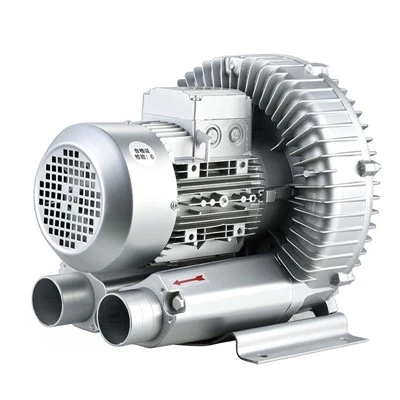
In conclusion, while silencers are essential for noise reduction in many industrial applications, they are not without their problems. As a silencer supplier, I understand the importance of addressing these common issues to ensure the satisfaction of our customers. By using high – quality materials, providing proper maintenance and installation services, and offering custom – designed solutions, we can help our customers overcome these challenges.
Air Filter If you are facing any problems with your existing silencers or are looking for a reliable silencer supplier, we are here to help. Our team of experts can provide you with professional advice, customized solutions, and high – quality products. Contact us to discuss your requirements and get a quote.
References
- "Noise Control Engineering: Principles and Applications" by L. L. Beranek and I. L. Ver.
- "Industrial Noise and Vibration Control" by C. M. Harris.
- "Exhaust System Design and Tuning" by H. C. Spicer.
Taizhou Yijia Electromechanical Co., Ltd.
As one of the most professional silencer manufacturers and suppliers in China, we also support customized service. Please rest assured to buy high quality silencer in stock here from our factory. If you have any enquiry about cooperation, please feel free to email us.
Address: No. 47, Jinxing First District, Jintang Village, Jinqing Town, Luqiao District, Taizhou City, Zhejiang Province
E-mail: 826339968@qq.com
WebSite: https://www.yijiablower.com/
