Can a Pressure Relief Valve be used in a chemical process? Pressure Relief Valve
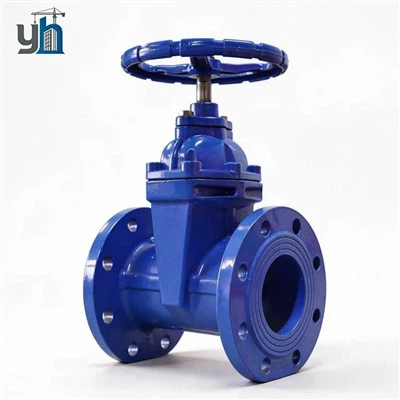
Hey there! I’m a supplier of pressure relief valves, and I often get asked whether our valves can be used in chemical processes. Well, let’s dig into this topic and find out.
First off, what’s a pressure relief valve anyway? It’s a safety device designed to protect equipment and systems from over – pressurization. When the pressure inside a vessel or pipeline exceeds a pre – set limit, the valve opens up and releases the excess pressure. This helps prevent catastrophic failures like explosions or leaks, which can be super dangerous, especially in a chemical environment.
Now, chemical processes are a whole different ballgame. They involve a wide range of substances, some of which can be highly corrosive, toxic, or reactive. For example, acids like sulfuric acid and hydrochloric acid are extremely corrosive. If a pressure relief valve isn’t made from the right materials, these acids can eat away at the valve components, leading to malfunction or even complete failure.
So, can our pressure relief valves handle these harsh chemical conditions? The answer is yes, but with a few important considerations.
Material selection is key. We offer valves made from various materials, including stainless steel, which is a popular choice for many chemical applications. Stainless steel is resistant to corrosion from many common chemicals, but there are limits. For more aggressive chemicals, we might use materials like Hastelloy or titanium. Hastelloy is great for handling strong acids and reducing environments, while titanium is highly resistant to corrosion in chloride – containing solutions.
Another factor is the design of the valve. In chemical processes, we need to make sure that there are no dead spaces in the valve where chemicals can accumulate. Accumulated chemicals can cause blockages or lead to chemical reactions that could damage the valve. Our valves are designed with smooth internal surfaces and proper flow paths to minimize these risks.
Temperature is also an important consideration in chemical processes. Some chemical reactions can generate a lot of heat, which can increase the pressure inside the system. Our pressure relief valves are designed to operate within a wide range of temperatures. We can provide valves that can handle high – temperature applications, up to several hundred degrees Celsius, depending on the specific requirements.
Let’s talk about the types of pressure relief valves we offer for chemical processes. We have spring – loaded pressure relief valves, which are the most common type. These valves use a spring to keep the valve closed until the pressure reaches a certain level. Once the pressure exceeds the set point, the spring compresses, and the valve opens. They’re relatively simple in design and easy to maintain, which is great for chemical plants where downtime needs to be minimized.
We also have pilot – operated pressure relief valves. These are a bit more complex but offer some advantages in chemical applications. They can provide a more accurate pressure control, which is crucial when dealing with sensitive chemical reactions. The pilot valve senses the pressure and controls the opening and closing of the main valve. This allows for a faster response time and a more precise pressure regulation.
But it’s not just about the valve itself. Proper installation and maintenance are essential for the safe and effective use of pressure relief valves in chemical processes. During installation, we need to make sure that the valve is correctly sized for the system. If the valve is too small, it won’t be able to release the excess pressure quickly enough. If it’s too large, it may not open at the right pressure.
Maintenance is also a must. Regular inspections are needed to check for any signs of wear, corrosion, or blockage. The valve should be tested periodically to ensure that it operates within the specified pressure range. Our technical team can provide guidance on installation and maintenance, keeping our customers away from potential risks.
Some might wonder about the cost. Sure, using high – quality pressure relief valves made from specialized materials and with advanced designs can be pricier. But when you think about the potential costs of a chemical process failure, like damage to equipment, environmental pollution, and harm to personnel, it’s clear that investing in a reliable pressure relief valve is a no – brainer.
In conclusion, a pressure relief valve can definitely be used in a chemical process. As a supplier, we’ve got the expertise and the products to meet the demanding requirements of chemical plants. Our valves are designed to handle a wide range of chemicals, temperatures, and pressures. We’re committed to providing high – quality valves and excellent customer service.
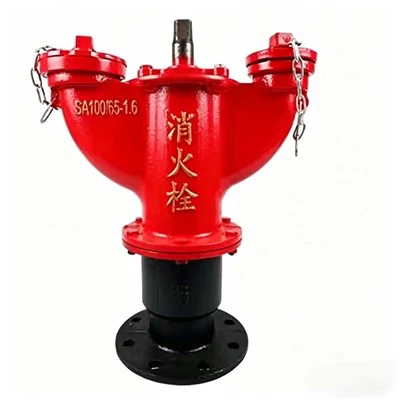
If you’re involved in a chemical process and are in need of a pressure relief valve, don’t hesitate to reach out. We can work with you to understand your specific requirements, recommend the right valve for your application, and provide all the support you need from installation to maintenance. Let’s ensure your chemical processes are safe and efficient together.
Fire Hydrant References
- "Handbook of Pressure Relief Valve Technology"
- "Chemical Process Safety: Fundamentals with Applications"
Shanxi Yuanhang Machinery Construction Industry and Trade Co., Ltd.
We’re well-known as one of the most experienced pressure relief valve manufacturers in China. With a professional production team, we are able to meet the needs of the majority of our customers. Welcome to buy discount pressure relief valve in stock here from our factory. Contact us for pricelist and free sample.
Address: Taiyuan City, Shanxi Province
E-mail: anzhiyuan@yhmadeinprc.com.cn
WebSite: https://www.yhmadeinprc.com/
