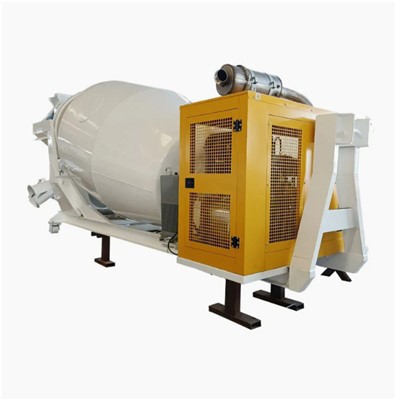
The lifespan of a cement mixer is a crucial consideration for construction professionals and businesses alike. As a supplier of cement mixers, I’ve had the privilege of witnessing firsthand the impact that these machines have on construction projects. In this blog, I’ll delve into the factors that influence the lifespan of a cement mixer, share insights on how to extend its longevity, and provide guidance on when it might be time to consider a replacement. Cement Mixer
Factors Affecting the Lifespan of a Cement Mixer
Quality of Construction
The quality of materials and craftsmanship used in the manufacturing of a cement mixer plays a significant role in determining its lifespan. High – quality mixers are typically constructed with durable components, such as heavy – duty steel frames, robust mixing drums, and reliable motors. These materials are better able to withstand the rigors of continuous use and resist wear and tear. For example, a mixer with a well – engineered drum that is resistant to corrosion will last longer than one made from inferior materials.
Frequency of Use
The more frequently a cement mixer is used, the shorter its lifespan is likely to be. In a high – volume construction environment where the mixer is in operation for long hours every day, components will experience more stress and wear. On the other hand, a mixer used occasionally for small – scale projects may last much longer. For instance, a construction company that uses a mixer for large – scale infrastructure projects several times a week will put more strain on the machine compared to a DIY enthusiast who uses it once a month for home improvement tasks.
Maintenance and Care
Proper maintenance is essential for extending the lifespan of a cement mixer. Regular cleaning of the mixing drum to remove cement residues prevents the build – up of hardened material, which can damage the drum and other components. Lubricating moving parts, such as bearings and gears, ensures smooth operation and reduces friction. Additionally, checking and replacing worn – out parts in a timely manner can prevent more significant issues from developing. A well – maintained cement mixer can last significantly longer than one that is neglected.
Operating Conditions
The conditions under which a cement mixer operates also impact its lifespan. Mixers used in harsh environments, such as extreme temperatures, high humidity, or dusty conditions, are more likely to experience accelerated wear. For example, in a desert construction site where there is a lot of sand and dust, the dust can enter the mixer’s motor and other components, causing damage over time. Similarly, in cold climates, the mixer may need to be properly insulated and protected to prevent freezing of the water in the drum and damage to the internal components.
Extending the Lifespan of a Cement Mixer
Regular Maintenance Schedule
Establishing a regular maintenance schedule is key to keeping a cement mixer in good working condition. This should include daily, weekly, and monthly maintenance tasks. Daily tasks may involve cleaning the mixer after each use, checking for any visible signs of damage, and ensuring that all safety features are functioning properly. Weekly tasks could include lubricating moving parts and checking the tightness of bolts and nuts. Monthly maintenance might involve more in – depth inspections, such as checking the motor’s performance and the condition of the mixing blades.
Training for Operators
Proper training of operators is crucial for the longevity of a cement mixer. Operators should be trained on how to use the mixer correctly, including loading and unloading materials, adjusting the mixing speed, and shutting down the machine safely. Incorrect operation can lead to unnecessary stress on the components, such as overloading the mixer or running it at the wrong speed. By ensuring that operators are well – trained, the risk of damage to the mixer is reduced.
Use of Quality Materials
Using high – quality cement and other materials in the mixing process can also contribute to the lifespan of the mixer. Low – quality cement may contain impurities that can cause corrosion or abrasion inside the drum. Additionally, using the correct ratio of water to cement is important to prevent the formation of hard – to – clean deposits in the mixer.
When to Replace a Cement Mixer
Frequent Breakdowns
If a cement mixer is experiencing frequent breakdowns, it may be a sign that it is reaching the end of its lifespan. Constant repairs can become costly and time – consuming, and may not always address the underlying issues. For example, if the motor is constantly overheating or the mixing blades are wearing out quickly despite regular maintenance, it might be more cost – effective to replace the mixer.
Inability to Meet Production Requirements
As construction projects grow in scale and complexity, the requirements for a cement mixer may change. If an existing mixer is no longer able to produce the required volume of concrete in a timely manner, it may be necessary to upgrade to a larger or more efficient model. For instance, if a small – capacity mixer was initially used for small – scale projects but the company has now taken on larger contracts, a larger mixer would be more suitable.
Safety Concerns
Safety is of utmost importance in any construction environment. If a cement mixer has safety issues that cannot be resolved, such as a malfunctioning safety guard or a faulty electrical system, it should be replaced immediately. Continuing to use a mixer with safety problems can put the operators at risk and may also lead to legal issues.
Conclusion
The lifespan of a cement mixer is influenced by a variety of factors, including the quality of construction, frequency of use, maintenance, and operating conditions. By understanding these factors and taking appropriate measures to extend the lifespan of the mixer, construction professionals can ensure that their equipment remains reliable and cost – effective. However, there comes a time when replacement is necessary, and it’s important to recognize the signs.
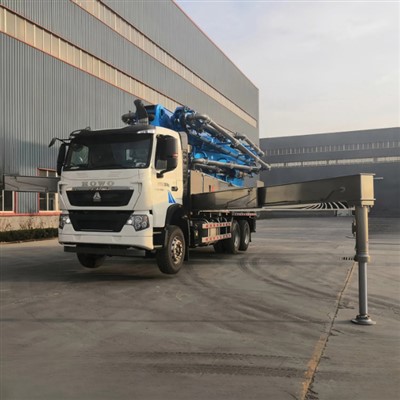
Self Loading Concrete Mixer Truckr If you’re in the market for a new cement mixer or need advice on maintaining your existing one, I’m here to help. As a trusted supplier, I can offer a wide range of high – quality cement mixers to meet your specific needs. Whether you’re a small – scale contractor or a large construction company, I’m committed to providing you with the best products and support. Contact me to discuss your requirements and let’s find the perfect cement mixer for your projects.
References
- Construction Equipment Handbook, various editions
- Manufacturer’s manuals for cement mixers
- Industry reports on construction equipment durability and maintenance
Shandong Fuxin Automobile Technology Co., Ltd.
We’re well-known as one of the leading cement mixer manufacturers and suppliers in China, featured by quality products and good price. Please rest assured to buy advanced cement mixer made in China here from our factory. Contact us for more details.
Address: West of Nanshou Road, Beihai Road, Weifang City, Shandong Province
E-mail: h17616861003@gmail.com
WebSite: https://www.fuxinautomobile.com/
