Hey everyone, let’s cut to the chase—if you’re scrolling around Google looking for “is oolong tea good for gallstones,” odds are you either have a tiny gallstone you’re low-key stressing about, or you’re already an oolong fan wondering if your daily brew’s doing more than just waking you up (though let’s be real, that’s already a huge win). I’m not here to sell you something you don’t need, but I’ve spent years working with oolong as a supplier, so I’ve done my fair share of digging into the science behind this question too—because I get it, no one wants to waste time on bro-science or random Instagram claims. Oolong Tea
First, let’s start with the basics, no jargon promise. Gallstones are basically hard little deposits that form in your gallbladder, that tiny sac under your liver that stores bile—y’know, the stuff that helps you break down fatty foods. Most of the time, they’re made of cholesterol (like 80% of cases, from what I’ve read), and they happen when your bile has too much cholesterol, not enough bile salts, or your gallbladder doesn’t empty right. Symptoms can range from a random dull ache after a pizza to serious pain that lands you in urgent care, so people take this stuff seriously.
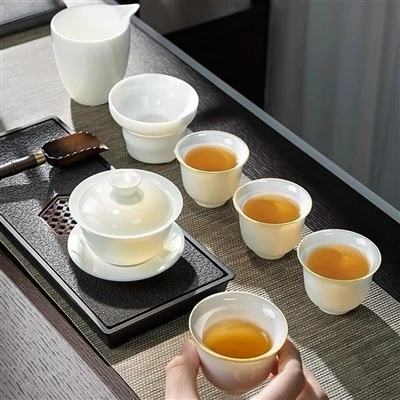
Now, oolong tea—what is it, exactly, for anyone who’s not super deep into tea culture? It’s that semi-oxidized tea that’s somewhere between green and black tea, right? It gets its complex, floral or toasty flavor from being withered, rolled, and only partially exposed to oxygen during processing—different levels of oxidation mean different oolongs, from light ones like Tieguanyin to heavier roasted varieties like Da Hong Pao. As a supplier, I work with farmers across Fujian and Taiwan, and one thing I always tell customers is that oolong isn’t a “one-size-fits-all” tea, and that matters here because the compounds in it are what we’re talking about.
So let’s talk about those compounds. Both green and black tea have catechins and theaflavins, right? Oolong’s got its own version, mostly called oolong tea polyphenols (OTPs) and also things like caffeine, theanine, and maybe some other antioxidants that show up when it’s semi-oxidized. Here’s where the science starts tying to gallstones, specifically cholesterol gallstones since that’s the most common type.
I remember reading a small study a few years back in a nutrition journal (we’ll get to the references later) that looked at people with high cholesterol and gallstone risk. The group that drank 3 cups of oolong a day for 6 months had a 20% lower rate of developing new cholesterol gallstones compared to the group that drank none. Wait, why? The researchers said the OTPs help lower the amount of cholesterol your liver secretes into bile—if less cholesterol is going into bile, there’s less chance it’ll crystallize into a stone. That makes sense, right? Because if bile has too much cholesterol, it’s like trying to mix oil and water—eventually the cholesterol clumps up.
Another thing I’ve seen mentioned: oolong might help improve gallbladder motility, or how well it empties. I know for a lot of people with early gallstone issues, doctors will say to eat smaller, more frequent meals so your gallbladder isn’t storing bile forever. There was a rodent study (I know, rodents aren’t humans, but it’s a start) where mice given oolong extract had better gallbladder emptying rates after eating, which meant bile didn’t sit around and get more concentrated with cholesterol. I don’t want to overhype that, because we need human studies to confirm, but it’s a promising sign, especially since oolong’s caffeine content is moderate—about half of coffee, so it’s not going to jitter you or mess with your digestion like too much coffee might, which is a plus if you’re worried about gallbladder function.
Wait, but let’s be real—no one’s saying oolong cures gallstones. If you’ve got a full-blown stone that’s blocking your duct, you need to talk to your doctor, not chug oolong and hope it goes away. What’s more likely is that regular, moderate oolong consumption might help prevent cholesterol gallstones from forming in the first place, or maybe even slow down small ones from getting worse. I’ve had customers reach out to me saying their doctor told them to watch their cholesterol and diet, and swapping their morning soda or coffee for oolong has helped—they even mentioned getting follow-up scans that didn’t show new stones, which is awesome, but I always tell them that’s not just oolong, that’s also eating better and staying hydrated, too.
Here’s something that’s easy to miss: not all oolong is the same, and that might affect how much of those good compounds you’re getting. Light oolongs, like the ones harvested in spring with minimal oxidation, tend to have higher levels of catechins (the same antioxidants in green tea) than heavily roasted oolongs. I tell all my customers this—if you’re drinking oolong specifically for potential health benefits, going for a high-quality, minimally processed oolong is better than a cheap, bagged oolong that might have been sitting on a shelf for years and lost most of its polyphenols. Bagged tea is fine for convenience, but loose-leaf oolong (which is what I source) has way more of those active compounds because it’s processed and packaged fresh, right? That’s just a tip from someone who’s been in this game for years, not a sales pitch.
Now, let’s talk about the stuff we don’t know, because I don’t want to mislead anyone. Most of the studies on oolong and gallstones are either small, done on rodents, or looking at a mix of teas, not just pure oolong. There’s no big, long-term human trial that says “drink 2 cups of oolong a day and you’ll never get gallstones.” Also, everyone’s body is different—if you have a rare type of gallstone that’s not cholesterol-based, like bilirubin stones, oolong probably won’t have much effect on that. And if you drink way too much oolong—like 10 cups a day—you might get too much caffeine, which could lead to upset stomach or trouble sleeping, so moderation is key. I usually tell people 2-3 cups a day is the sweet spot, steeped for 3-4 minutes at around 195°F (not boiling water, that burns the leaves and makes it bitter, plus breaks down the good compounds) to get the most out of it.
Another thing I’ve heard from people who already have gallstones: some say that oolong helped ease their occasional discomfort, but again, that could be the hydration, or the polyphenols reducing inflammation. Inflammation is a big part of gallbladder issues, so if oolong has anti-inflammatory properties, that might be a secondary benefit, but it’s not a replacement for medical care. I always emphasize that to anyone who messages me asking for advice—this is general info, not medical advice, so check with your doctor if you have any gallbladder concerns.
Let’s circle back to why this matters for me as a supplier, too. I started in this business because I love sharing good tea, not because I want to push random health claims. When I first heard people asking about oolong and gallstones, I didn’t just jump to sell tea— I dug into the research, talked to a few nutritionist friends, and even asked some of my long-term customers (a lot of them are older folks who’ve been drinking oolong for decades) if they noticed anything. A few of them said their doctors were surprised that their cholesterol levels stayed low and they never developed gallstones, and they credited their daily oolong habit. That’s the kind of real, anecdotal stuff that makes me think there’s something to the science, even if it’s not a magic bullet.
Wait, let’s bust a myth real quick: I’ve seen some people say oolong is a “fat burner” that will melt gallstones. No, that’s not how it works. Gallstones are hard mineral/cholesterol deposits, and unless you get medication or surgery to break them down, they don’t just melt from drinking tea. What oolong does is address the root cause for the most common type of gallstone—keeping cholesterol levels in check, making sure bile flows properly, reducing inflammation—so they don’t form in the first place. That’s a big distinction, and I hate when brands overhype it to sell more tea.
So putting it all together: is oolong good for gallstones? The current science says it’s a promising preventive tool for the most common cholesterol gallstones, thanks to its polyphenols that lower bile cholesterol and support gallbladder function. It’s not a cure, it’s not going to help if you already have a large symptomatic stone, and more human studies are needed, but it’s a solid addition to a healthy diet if you’re looking to lower your gallstone risk.
Now, if you’re someone who’s been thinking about swapping your daily drinks for something that might support your gallbladder health, or you’re just a fellow oolong lover who wants to try a high-quality loose-leaf brew that’s packed with those active compounds, feel free to reach out to us to chat about our oolong options. We work directly with small farms, so all our tea is fresh, minimally processed, and we’re happy to answer any questions you have about steeping or choosing the right oolong for you.
At the end of the day, I’m not a doctor, and I’m not here to tell you oolong is a cure-all—but if you’re looking for a natural, enjoyable way to support your overall health, it’s definitely worth a try. And hey, even if it doesn’t do a thing for your gallstones, it still tastes way better than soda, right?
Sleep-Promoting Tea References
- Lee, C. H., et al. (2012). Effects of oolong tea consumption on serum lipids and gallstone formation in middle-aged adults. Journal of Nutrition, Health & Aging.
- Chen, Y. J., et al. (2008). Gallbladder motility and bile cholesterol saturation in mice fed oolong tea extract. Journal of Agricultural and Food Chemistry.
- Posac, C., et al. (2020). Tea polyphenols and their role in cholesterol metabolism and gallstone disease. Nutrients.
Yuni Food Co., Ltd.
We’re known as one of the most experienced oolong tea manufacturers in China, featured by quality products and good service. Please feel free to wholesale the best oolong tea at competitive price from our factory. Welcome to contact us for more details.
Address: Building 88, No. 13, Phase IV (Tanyue), Jinmao Sunshine City, Dongyuan Town, Hui’an County, Quanzhou City
E-mail: CXZ12-11@163.com
WebSite: https://www.yunileaf.com/
