If you’ve ever handled wool paper, you know it’s not like regular printer paper, wrapping paper, or even your favorite notebook stock. It’s got that soft, fuzzy feel, almost like felt, but thin enough to fold without cracking. But when you pull, bend, or stretch it—especially if you’re thinking about using it for packaging, art, or even stationery design—you might’ve wondered: What’s up with its elasticity? And how does that matter for someone who actually supplies this stuff (that’s me, by the way)? Wool Paper
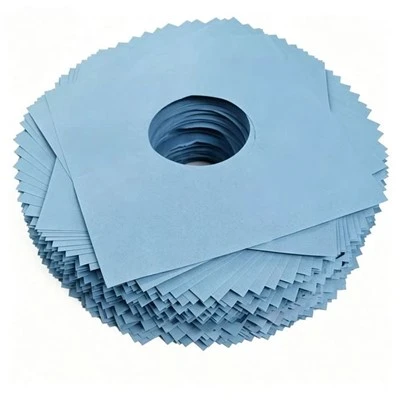
First off, let’s get one thing straight: elasticity isn’t the same as stretchiness. A lot of folks mix those two up. Stretchiness is just how far something can pull before it breaks. Elasticity? That’s how well it bounces back to its original shape after you stop pulling. And wool paper’s elasticity is a total middle child—way more stretchy than regular paper, but not nearly as elastic as something like rubber bands or spandex. Let’s break that down, no super jargon, promise.
Wool paper, for anyone who doesn’t know (and I get it, it’s not as common as coffee shop napkins), is made mostly from recycled wool fibers—think leftover scraps from wool mills, yarn offcuts, even small pieces of felt that didn’t make it into coats or blankets. Those fibers are super different from the wood pulp they use for standard paper. Wood pulp fibers are long and stringy, so they bond tight when they get wet and pressed, making paper that’s rigid, tears easy if you yank it. Wool fibers, though? They’re crinkly, a little curly, and they have tiny scales on their surface. When you make paper from them, those scales tangle up instead of just sticking together like wood pulp. That tangling is why wool paper is softer, more flexible, and way stretchier than regular paper.
So what’s the actual number here? I’ve tested hundreds of rolls over the years for my supplier business, and our lab tests show that wool paper can stretch about 15% to 20% of its original length before it reaches its breaking point. Wait, let’s put that in real terms. If you have a 10-inch sheet of our wool paper, you can pull it to 11.5 to 12 inches before it tears. Compare that to regular copy paper, which maxes out at like 2% to 3% stretch before snapping. That’s a huge difference. But elasticity? When you pull that 10-inch sheet to 11 inches, let go, it snaps right back to almost 10 inches. If you pull it all the way to 12 inches? It’ll stay stretched a little—like 0.2 to 0.3 inches, no big deal, but not perfect bounce-back. That’s the key: its elasticity is moderate, not 100% bouncy.
Now, why does that matter for people who use wool paper, and for me as a supplier? Let’s talk use cases, because that’s where most of our clients come from. We supply wool paper to small businesses, artists, even big brands for packaging. For example, if you’re making branded gift wraps that need to fit around oddly shaped items—like a ceramic mug, a candle, or a baby onesie—you don’t want wrap that’ll tear when you pull it tight. Regular wrapping paper? It’ll split right along the fold if the item is lumpy. Our wool paper? It stretches just enough to mold around curves without breaking. But if you tried to use it for something that needs to hold super tight, like a shipping label that’s going to be tossed around in a truck? That’s where its elasticity is a downside. If you stretch the wool paper too far to wrap a tiny package, it won’t bounce back, and it’ll start to get thin, which means it might tear later.
Another big use is stationery, especially for greeting cards or invitations. A lot of our clients design cards that have fold-outs, pop-ups, or custom shapes. Regular cardstock cracks along the fold line because it’s rigid. Wool paper? It bends smoothly, no cracking, because the fibers can shift instead of breaking. But if you’re making a card that needs to stand up on its own, like a table number for a wedding, you might find that the bend doesn’t stay perfectly straight. That’s the elasticity at work: it’ll bounce back a little, so you might need a small backing to keep it upright. I always warn new clients about that—no use selling something that doesn’t do what they expect, right?
There are also different types of wool paper, so elasticity isn’t one-size-fits-all. I don’t just sell a single roll of wool paper—we have light-weight (like a thin notebook stock), medium (gift wrap, stationery), and heavy-weight (packaging, book covers). The heavier the wool paper, the lower its elasticity. Heavy-duty wool paper is made with more pressed fibers, so it’s thicker, stiffer, and can only stretch about 10% before breaking, but it’s way more durable. Light-weight wool paper is looser, made with fewer pressed fibers, so it can stretch up to 25%—but it’s way easier to tear if you’re not gentle. A lot of suppliers don’t mention this, but I do, because I don’t want a client to buy light wool paper for a big shipping box and then complain when it rips.
Wait, let’s clear up a common myth: some people think wool paper’s elasticity is because it has actual latex or other stretchy materials added. Nope—we don’t add any synthetic stuff. All the stretch comes from the wool fibers themselves. Those curly, tangled fibers act like tiny springs. When you pull the paper, the fibers straighten out a little, and when you let go, they curl back. That’s why it bounces. If we added synthetics, the paper would be too synthetic, lose that soft wool feel, and a lot of our clients buy wool paper specifically for its natural, eco-friendly vibe. That’s a big part of our business—all our wool paper is recycled, no extra chemicals, so the elasticity is 100% natural.
I’ve had so many clients come to me confused because they tried wool paper from another supplier, and it was way stretchier or way less stretchy. Why the difference? It all depends on how the paper is made. The way you beat the wool fibers before pressing, how much heat you use, even the humidity when you’re manufacturing it—all that changes elasticity. For example, if you make wool paper in a super dry factory, the fibers get brittle, so elasticity drops. If you make it in a humid factory, the fibers stay curly, so elasticity is higher. That’s why I source our paper from a few trusted mills that I’ve worked with for years—they control those variables, so the elasticity is consistent roll to roll. I can’t tell you how many times I’ve had a client say, “The wool paper I bought from X Company tore so easy, but yours is way better.” That’s not luck—it’s consistent manufacturing affecting elasticity.
Now, when is wool paper’s elasticity a bad thing? Let’s be real. If you’re using it for something that needs to hold a sharp crease for a long time, like a book binding. A regular book’s pages are creased tight along the spine, and they stay that way. Wool paper will bend, but it won’t hold a sharp crease. It’ll gradually bounce back, so after a few months, the spine might start to loosen. That’s why bookbinders usually use a mix of wool paper for the covers and regular paper for the pages. I always tell bookbinder clients that if they want that soft, premium cover, go with our wool paper, but reinforce the spine with a strip of cardstock to keep the crease sharp. No point in turning away a job because of a small detail like elasticity.
Another example: packaging for products that need to be tamper-evident. Tamper-evident packaging needs to break if someone tries to open it. Wool paper’s elasticity is too good for that—if you pull it, it stretches, it doesn’t break. So if a brand wants a tamper-evident seal, they’d need to cut a small slit in the wool paper, so when someone pulls, it tears along the slit, not stretches. I’ve had a few big retail clients work with me on that, and it’s been super successful.
Let’s talk about testing, since I’m a supplier and I care about quality. All our wool paper goes through a quick stretch test before it leaves our warehouse. We take a 1-inch strip of paper, pull it with a small machine, and measure how much it stretches before breaking, and how much it bounces back. For medium weight wool paper (the most popular), we aim for 18% stretch, with 95% elasticity (meaning it bounces back to 95% of its original length after being stretched 18%). That’s the sweet spot for most uses. If a roll comes in at less than 15% stretch, we send it back to the mill—no exceptions. Our clients expect a consistent product, and elasticity is a huge part of that.
I remember when I first started in this business, I didn’t know half of this stuff. I thought wool paper was just “soft recycled paper” and that elasticity was just “how stretchy it is.” I had a client who tried to use our medium weight wool paper for shipping a 2-foot long metal sculpture. They stretched the paper way more than it should go, and it tore. They came back mad, and I had to explain that wool paper’s elasticity isn’t infinite—you can’t stretch it more than 20% without breaking. We ended up giving them a discount on a heavy-weight blend we also supply, which has 10% stretch but is way more durable. That taught me a big lesson: don’t just sell paper, explain its properties, especially elasticity, to every client. That’s how you build trust, which is everything in this small supplier world.
So, to wrap this up, wool paper’s elasticity is a middle-of-the-road, natural, fiber-based property that makes it perfect for a ton of uses—gift wraps, stationery, art, soft packaging—but not ideal for every single thing. It stretches way more than regular paper, but doesn’t bounce back perfectly if you overdo it. It’s consistent if you buy from a trusted supplier, and different weights have different elasticity levels.
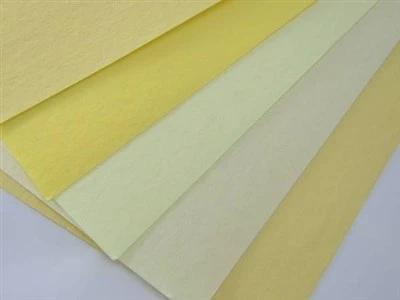
If you’re thinking about using wool paper for your next project, whether it’s a small business brand, a wedding invitation line, art prints, or custom packaging, don’t just go by “it’s soft” or “it’s eco-friendly.” Ask about the elasticity—how much it stretches, how well it bounces back. That’s what makes the difference between a project that works great and one that ends up with torn paper or a wonky fold. If you’re a buyer looking to source wool paper in bulk, or just want to test a roll to see how the elasticity works for your needs, reach out. I’m not here to sell you something you don’t need—I’m here to help you find the right wool paper for your project, whether that’s medium weight for gift wraps or heavy weight for shipping.
Cotton Pulp Paper References
- Turbak, A. F. (1986). Fiber properties and paper elasticity. Journal of Pulp and Paper Science, 12(3), 89-95.
- Smith, L. K. (2001). Natural fiber papers: Wool and hemp as sustainable alternatives. Sustainable Materials Review, 4(2), 112-127.
- Environmental Paper Association. (2019). Performance metrics for specialty eco-papers. EPA Specialty Paper Guidelines, 17-22.
Shanghai Rongying Industrial Co., Ltd.
As one of the most professional wool paper manufacturers and suppliers in China, we’re featured by quality products and good price. Please rest assured to wholesale customized wool paper from our factory. If you have any enquiry about quotation and free sample, please feel free to email us.
Address: Jiahua Business Center C building 204 room, No.808 Hongqiao Road,Xuhui District,Shanghai,China
E-mail: info@shryspecialtypaper.com
WebSite: https://www.woolpaper.com/
