If you’ve ever walked through a construction site, stared at a skeletal steel framework rising above the ground, and wondered how all those heavy steel beams fit together without collapsing, you’ve been looking at the work of steel connection plates. I’ve been supplying these critical components to builders, fabricators, and structural engineers for over a decade, and one of the most common questions I get from first-time clients is this: “What are the different types of steel connection plates, and how do I pick the right one for my project?” Steel Connection Plates

It’s a fair question. Not all connection plates are the same, and using the wrong type can lead to everything from minor alignment issues to catastrophic structural failure. In this post, I’ll break down the most common types, explain what each is used for, and share some of the insights I’ve picked up working with teams across residential, commercial, and industrial construction.
Standard Steel Connection Plates (The Workhorses)
Let’s start with the bread and butter of our product line: standard steel connection plates. These are the flat, usually rectangular plates you see bolted or welded to the ends of steel beams and columns to create rigid connections. They’re made from mild carbon steel, usually A36 grade, which balances strength, affordability, and ease of fabrication—perfect for most general construction projects.
What sets standard plates apart is their versatility. We cut them to custom sizes, but their core design is simple: a flat surface with pre-drilled holes to accommodate bolts, or plain edges for welding. For example, if you’re building a small deck or a single-story warehouse, standard plates are more than enough to join the primary beams to the columns. We also offer them in different thicknesses: ¼-inch for lighter loads, up to 1 inch for heavy-duty applications.
A common mistake I see here is clients thinking “bigger is better.” Thicker plates aren’t always needed, and they add unnecessary weight and cost. For a typical 20-foot residential beam, a ⅜-inch standard plate is usually sufficient, whereas a 50-foot industrial beam might need a ¾-inch plate. It’s always better to run a load calculation with your structural engineer before ordering—something our team is happy to help with, by the way.
Gusset Plates (For Triangular Stability)
Next up: gusset plates. If you’ve ever looked at a truss roof or a bridge support, you’ve seen a gusset plate. These are triangular (or sometimes trapezoidal) steel plates designed to add stability to connections that are under bending or tension, especially in truss systems. The triangular shape isn’t just a design choice—it’s math at work. A triangle is the only geometric shape that doesn’t deform under pressure, so gusset plates transfer load evenly across multiple beams, preventing the connection from shifting or failing.
Gusset plates are typically used in projects where space is limited, or where the connection will be under dynamic load—like wind, seismic activity, or heavy machinery vibration. For example, if you’re building a multi-story office building in a zone with high earthquake risk, gusset plates between the floor trusses and columns will be non-negotiable. We custom-cut gusset plates to match the exact angles of your trusses, and we can also add reinforcing ribs along the edges for extra strength in high-stress areas.
One thing to note about gusset plates: they’re often a part of a custom fabrication process, not a one-size-fits-all item. Unlike standard plates, which we keep in stock for quick delivery, most gusset plates are made to order based on your project’s specific truss dimensions and load requirements. That’s why it’s important to share your engineer’s plans with us early—we can help refine the design to cut costs without sacrificing stability.
Base Plates (Anchoring Steel to Concrete)
Let’s talk about the part that keeps the entire steel structure from moving: base plates. These are the heavy, thick plates that sit at the bottom of steel columns, anchoring them to concrete footings or slabs. Think of them as the foundation for your steel frame—without a good base plate, even the strongest beams won’t stay in place.
Base plates are usually much thicker than standard or gusset plates, ranging from ½ inch to 2 inches, because they have to distribute the entire weight of the column (and whatever is on top of it) evenly across the concrete surface. If a column has a 100,000-pound load, that load would create massive pressure points on the concrete without a base plate, leading to cracking or settling. The base plate spreads that pressure over a larger area, keeping the concrete intact and the column aligned.
Another key feature of base plates is anchor bolt holes. We drill these holes to match the exact layout of the anchor bolts you set in your concrete footing, so the plate fits perfectly when it’s time to assemble the frame. We also offer beveled edges for base plates that need to sit flush on uneven concrete, and we can galvanize them for projects in coastal areas or other high-moisture environments where corrosion is a risk.
Cleats and Clip Angles (For Light-Duty Connections)
Not all connections need to handle heavy industrial loads. For smaller projects, like attaching a steel ledger to a wall or connecting two light-gauge steel studs, cleats and clip angles are the go-to choice. These are L-shaped or Z-shaped steel components (usually made from thinner gauge steel than standard plates) that create simple, bolted connections.
Cleats are most commonly used to connect beam ends to columns or walls. An L-shaped cleat is welded to the column, and the beam is bolted to the other leg of the cleat. Clip angles, on the other hand, are used for smaller, lighter applications—like connecting floor joists to beams, or attaching framing members in residential construction. They’re faster to install than standard plates because they require less welding, making them a favorite for contractors looking to save time on small jobs.
I always recommend using cleats and clip angles only for light-duty applications—usually loads under 10,000 pounds. For anything heavier, standard or gusset plates will provide the rigidity and safety you need. We keep a range of pre-cut cleats and clip angles in stock for quick turnaround, but we also fabricate custom sizes if your project requires a non-standard angle or length.
Edge Reinforcement Plates (For Shear and Tension)
When I first started in this business, I didn’t hear much about edge reinforcement plates, but over the years, they’ve become one of the most requested types for mid-rise and commercial construction. These plates are designed to reinforce the edges of steel beams that are under shear force or tension—think of a beam that’s spanning long distances, or a connection that’s pulling the beam apart.
Edge reinforcement plates are typically welded to the top and bottom flanges of a steel beam, along the edge where it connects to another member. They prevent the beam’s flange from warping or cracking under pressure, which is a common failure point in beams that are loaded at the edges. For example, if you have a 40-foot steel beam supporting three different floor levels, edge reinforcement plates on the connection points will ensure the beam holds up over time, even as loads shift.
We fabricate edge reinforcement plates to match the exact dimensions of your steel beams, whether they’re wide-flange (W-beam) or I-beam. We also work with your engineer to calculate the required plate size and thickness, so you don’t end up with over-engineered components that drive up costs. Many of our commercial clients rely on edge reinforcement plates for projects like apartment buildings, retail centers, and parking garages, where durability is key.
Corrosion-Resistant Plates (For Harsh Environments)
Last but not least, no discussion of steel connection plates is complete without talking about corrosion-resistant plates. Steel is strong, but it rusts when exposed to moisture, salt, or chemicals—especially in outdoor environments like bridges, coastal construction, or chemical plants. That’s why we offer several types of corrosion-resistant plates to extend the lifespan of your connections.
The most common is hot-dip galvanized steel connection plates. We take standard carbon steel plates and dip them in molten zinc, which creates a protective layer that prevents rust. Galvanized plates are affordable and work well for most outdoor projects, from deck structures to fence posts. For even harsher environments—like coastal areas where salt air is constant, or industrial sites with chemical exposure—we also offer stainless steel plates (304 or 316 grade) that are virtually immune to corrosion.
Another option is paint-coated steel plates, which are a good middle ground for indoor projects where moisture is a concern, like warehouses with high humidity. Paint coating adds a layer of protection without the upfront cost of stainless steel, making it a popular choice for many of our clientele.
A Quick Note on Customization
One thing I want to emphasize: every project is different, and off-the-shelf plates won’t always fit the bill. In my 12 years as a supplier, I’ve worked on projects ranging from small backyard patio covers to 50-story skyscrapers, and I’ve learned that custom fabrication is where many of our clients get the most value.
For example, a few years back, we worked with a client building a custom steel awning for a beachfront restaurant. The connection plates for the awning needed to be not only corrosion-resistant but also shaped to fit the curved edges of the beam, which was a non-standard design. We didn’t have that plate in stock, so we worked with our fabricators to cut it to the exact curve, drill the bolt holes in the perfect positions, and galvanize it to withstand the salt air. That project turned out great, and that client has come back to us for every steel component they’ve used since.
Let’s Talk About Your Project
Whether you’re a general contractor working on a small residential build, a structural engineer designing a mid-rise office, or a facility manager maintaining an industrial structure, choosing the right steel connection plates is critical to the safety and longevity of your project. Using the wrong type can lead to delays, extra costs, and even safety hazards—so taking the time to get this right is worth every minute.
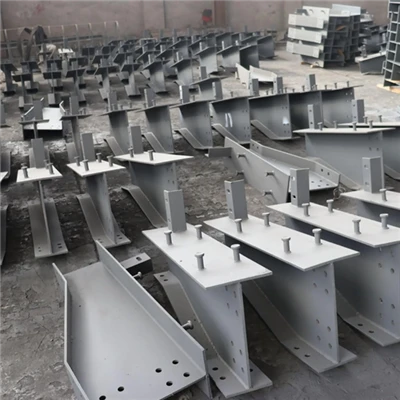
Our team has the expertise to help you select, customize, and source the right steel connection plates for your specific needs. We stock standard plates, cleats, and other common components for fast delivery, and we work with trusted fabricators to create custom plates, gussets, base plates, and corrosion-resistant options tailored to your plans. We also offer free load calculation guidance for most projects, drawing on decades of experience to make sure you’re making the right choice.
Steel Connection Plates If you’re currently working on a project and need help sorting out which steel connection plates you need, or if you just have questions about our products, please reach out. We’re here to help you get the job done safely, on time, and on budget. We look forward to hearing from you.
References
- American Institute of Steel Construction. (2020). Steel Construction Manual (15th ed.). AISC.
- Salmon, C. G., & Johnson, J. E. (1996). Steel Structures: Design and Behavior (3rd ed.). HarperCollins College Publishers.
- Kirkwood, P. (2018). “Gusset Plate Design for Seismic Resistant Steel Structures.” Journal of Structural Engineering, 144(5), 04018032.
- Galvanizing Association of America. (2021). Hot-Dip Galvanizing for Steel Structures: Design and Application Guidelines. GAA.
GNEE Steel Structure (Tianjin) Co., Ltd.
As one of the most professional steel connection plates manufacturers and suppliers in China, we have world-leading production equipment and strong manufacturing capabilities. Please rest assured to buy customized steel connection plates at competitive price from our factory. For quotation, contact us now.
Address: No.4-1114, Beichen Building, Beicang Town, Beichen District, Tianjin, China
E-mail: info@gescosteel.com
WebSite: https://www.gneesteelstructure.com/
