As a reliable supplier of cleanroom steel doors, I understand the importance of proper alignment in ensuring the functionality and longevity of these crucial elements in a controlled environment. Misaligned doors not only compromise the integrity of the cleanroom but also can lead to increased energy consumption and higher maintenance costs. In this blog, I’ll share some practical steps on how to adjust the alignment of a cleanroom steel door, drawing from my years of experience in the industry. Cleanroom Steel Door
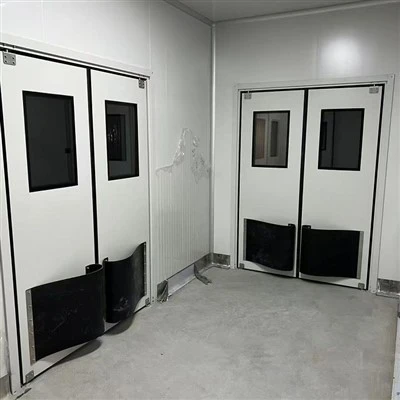
Understanding the Basics of Cleanroom Steel Door Alignment
Before diving into the adjustment process, it’s essential to understand the key factors that contribute to proper door alignment. A well – aligned cleanroom steel door should fit snugly within its frame, with minimal gaps around the edges. This ensures an airtight seal, which is vital for maintaining the desired level of cleanliness and preventing contamination.
The alignment of a cleanroom steel door is typically affected by three main aspects: the vertical alignment, horizontal alignment, and the alignment of the door hinges. Any deviation in these areas can lead to problems such as difficulty in opening and closing the door, air leakage, and even damage to the door or the frame over time.
Tools Required for Alignment Adjustment
To adjust the alignment of a cleanroom steel door, you’ll need a set of basic tools. These include:
- Screwdriver set: A variety of screwdrivers, both flat – head and Phillips – head, will be needed to loosen and tighten the screws on the door hinges and frame.
- Level: A spirit level is crucial for checking the vertical and horizontal alignment of the door. A small bubble level can be used for quick checks, while a longer level is more accurate for larger doors.
- Shims: Shims are thin pieces of material, usually made of plastic or metal, that can be used to fill gaps and adjust the position of the door within the frame.
- Hammer and chisel: In some cases, you may need to make minor adjustments to the frame, and a hammer and chisel can be useful for this purpose.
Step – by – Step Guide to Adjusting Door Alignment
Vertical Alignment
- Initial inspection: Start by closing the door and visually inspecting the gaps around the sides and top of the door. If there is a significant difference in the gaps on the left and right sides, the door may be out of vertical alignment.
- Check with a level: Place a spirit level vertically against the edge of the door. If the bubble is not centered, the door is not vertical.
- Loosen the hinge screws: Using a screwdriver, loosen the screws on the top and bottom hinges of the door slightly. This will allow you to adjust the position of the door.
- Adjust the door: Use shims to gently lift or lower one side of the door until the level indicates that it is vertical. For example, if the top of the door is leaning towards the left, place a shim under the left – hand side of the top hinge.
- Tighten the hinge screws: Once the door is vertical, carefully tighten the hinge screws, checking the alignment again with the level as you go to ensure it remains correct.
Horizontal Alignment
- Inspect the top and bottom gaps: Close the door and check the gaps between the top of the door and the frame and between the bottom of the door and the floor. A large difference in these gaps indicates a horizontal misalignment.
- Use a level: Place a spirit level horizontally across the top of the door. If the bubble is not centered, the door is not horizontal.
- Adjust the bottom hinge: In most cases, adjusting the bottom hinge can correct horizontal misalignment. Loosen the screws on the bottom hinge and use shims to shift the bottom of the door either towards or away from the frame as needed.
- Check and re – adjust: After making an adjustment, re – check the horizontal alignment with the level. Make further minor adjustments if necessary until the door is properly aligned horizontally.
Hinge Alignment
- Inspect the hinge movement: Open and close the door several times and listen for any unusual noises or resistance. If the door does not open or close smoothly, the hinges may be misaligned.
- Check the hinge pins: Ensure that the hinge pins are straight and properly seated in their sockets. If a pin is bent, it may need to be replaced.
- Adjust the hinge position: If the hinges are out of alignment, loosen the screws on the hinge plates and carefully shift the position of the hinge. Use a level to ensure that the hinge is installed horizontally or vertically as required.
- Tighten the hinge screws: Once the hinge is properly aligned, tighten the screws securely.
Common Alignment Issues and Solutions
Binding or Sticking Door
A binding or sticking door is often caused by misaligned hinges or a door that is not properly seated in the frame. To fix this issue, first, check the hinge alignment as described above. If the problem persists, check for any obstructions in the door track or frame. Remove any debris or dirt that may be causing the binding.
Air Leakage
Air leakage around the door indicates poor alignment and an inadequate seal. Check the vertical and horizontal alignment of the door and make the necessary adjustments. Additionally, inspect the door gasket. If the gasket is damaged or worn, it may need to be replaced to ensure a tight seal.
Uneven Gaps
Uneven gaps around the door can be a sign of both vertical and horizontal misalignment. Follow the steps for vertical and horizontal alignment adjustment to correct this issue. If the gaps are still uneven after alignment, check for any damage to the door or the frame that may be causing the problem.
Importance of Regular Maintenance and Alignment Checks
Proper alignment is not a one – time fix. Regular maintenance and alignment checks are essential to ensure the continued performance of cleanroom steel doors. Over time, factors such as temperature changes, building settling, and normal wear and tear can cause the door alignment to shift. I recommend performing a visual inspection of the door alignment at least once a month and a more comprehensive check using a level every three to six months.

During these checks, look for any signs of misalignment, such as uneven gaps, difficulty in opening or closing the door, or air leakage. If you notice any issues, address them promptly to prevent further damage and maintain the integrity of the cleanroom environment.
Color Steel Sandwich Panel As a cleanroom steel door supplier, I am committed to providing high – quality products and professional advice. If you are experiencing problems with the alignment of your cleanroom steel door or are looking to purchase new doors, I encourage you to reach out for a discussion. Our team of experts is ready to assist you in finding the best solutions for your specific needs. Proper alignment is just one aspect of maintaining a reliable cleanroom steel door system, and we can offer guidance on all related matters.
References
- "Cleanroom Technology Handbook". Authors: Various industry experts. Publisher: A well – known cleanroom technology publishing house.
- "Door Installation and Maintenance Best Practices". An industry – specific manual focusing on door systems in controlled environments.
Suzhou Jinye Air Purification Steel Structure Co., Ltd.
As one of the most professional cleanroom steel door manufacturers and suppliers in China, we offer a wide range of products with superior quality. Please feel free to wholesale durable cleanroom steel door for sale here from our factory.
Address: No. 858 Jinsheng Road, Jinjiaba Town, Wujiang District, Suzhou City, Jiangsu Province, China
E-mail: 18913057067@163.com
WebSite: https://www.suzhoujinye.com/
