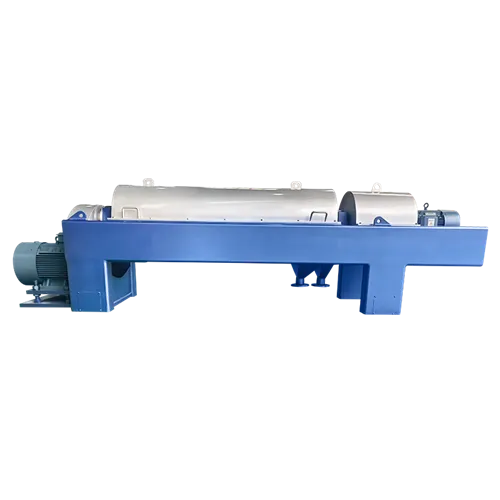
In the realm of industrial equipment, the dewatering centrifuge stands as a crucial player in various sectors, from wastewater treatment to food processing. As a seasoned supplier of dewatering centrifuges, I’ve witnessed firsthand the pivotal role that every component plays in the overall performance of these machines. Among these components, the bowl is perhaps the most critical, serving as the heart of the dewatering process. In this blog, I’ll delve into the multifaceted role of the bowl in a dewatering centrifuge, exploring its design, function, and impact on the efficiency of the entire system. Dewatering Centrifuge
The Basics of a Dewatering Centrifuge
Before we dive into the specifics of the bowl, let’s briefly review how a dewatering centrifuge works. At its core, a dewatering centrifuge is a machine that uses centrifugal force to separate solids from liquids in a mixture. The mixture is fed into the centrifuge, where it is spun at high speeds. The centrifugal force generated by the spinning causes the heavier solids to settle to the outer edge of the centrifuge, while the lighter liquid remains closer to the center. The separated solids and liquids are then discharged from the centrifuge through separate outlets.
The Design of the Bowl
The bowl is the cylindrical chamber at the center of the dewatering centrifuge. It is designed to rotate at high speeds, creating the centrifugal force necessary for the separation process. The design of the bowl is critical to the efficiency and effectiveness of the dewatering centrifuge. Here are some key design features of the bowl:
- Material: The bowl is typically made of high-strength materials such as stainless steel or titanium. These materials are chosen for their durability, corrosion resistance, and ability to withstand the high forces generated during the spinning process.
- Shape: The shape of the bowl can vary depending on the specific application of the dewatering centrifuge. Common shapes include cylindrical, conical, and combination shapes. The shape of the bowl affects the flow of the mixture inside the centrifuge and the efficiency of the separation process.
- Length and Diameter: The length and diameter of the bowl also play a role in the performance of the dewatering centrifuge. A longer bowl allows for a longer retention time of the mixture inside the centrifuge, which can improve the separation efficiency. A larger diameter bowl can handle a larger volume of the mixture, increasing the throughput of the centrifuge.
The Function of the Bowl
The primary function of the bowl in a dewatering centrifuge is to generate the centrifugal force necessary for the separation of solids and liquids. As the bowl rotates at high speeds, the mixture inside the bowl is subjected to a centrifugal force that is many times greater than the force of gravity. This force causes the heavier solids to settle to the outer edge of the bowl, while the lighter liquid remains closer to the center.
In addition to generating the centrifugal force, the bowl also plays a role in the discharge of the separated solids and liquids. The bowl is typically equipped with a set of discharge ports or nozzles that allow the separated solids and liquids to be removed from the centrifuge. The design and location of these discharge ports are critical to the efficient and effective discharge of the separated materials.
The Impact of the Bowl on the Efficiency of the Dewatering Centrifuge
The design and performance of the bowl have a significant impact on the efficiency of the dewatering centrifuge. A well-designed bowl can improve the separation efficiency, increase the throughput, and reduce the energy consumption of the centrifuge. Here are some ways in which the bowl affects the efficiency of the dewatering centrifuge:
- Separation Efficiency: The shape, length, and diameter of the bowl can all affect the separation efficiency of the dewatering centrifuge. A bowl with a longer retention time and a larger surface area can provide more opportunities for the solids and liquids to separate, resulting in a higher separation efficiency.
- Throughput: The diameter of the bowl and the speed at which it rotates can affect the throughput of the dewatering centrifuge. A larger diameter bowl can handle a larger volume of the mixture, while a higher rotational speed can increase the centrifugal force and improve the separation efficiency. Both of these factors can contribute to an increase in the throughput of the centrifuge.
- Energy Consumption: The design of the bowl can also affect the energy consumption of the dewatering centrifuge. A bowl with a more efficient shape and a lower friction coefficient can reduce the energy required to rotate the bowl, resulting in lower energy consumption.
The Importance of Proper Maintenance of the Bowl
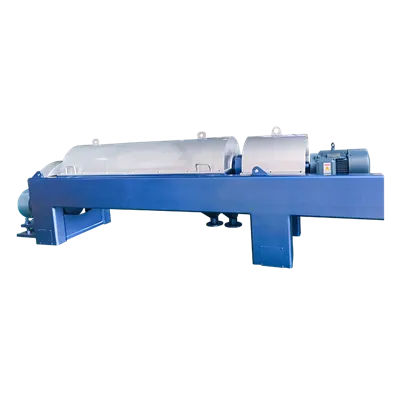
Proper maintenance of the bowl is essential to ensure the long-term performance and reliability of the dewatering centrifuge. Here are some maintenance tips for the bowl:
- Regular Inspection: The bowl should be inspected regularly for signs of wear, corrosion, or damage. Any issues should be addressed promptly to prevent further damage to the bowl and the centrifuge.
- Cleaning: The bowl should be cleaned regularly to remove any accumulated solids or debris. This can help to prevent clogging of the discharge ports and improve the separation efficiency.
- Lubrication: The bearings and other moving parts of the bowl should be lubricated regularly to reduce friction and wear. This can help to extend the lifespan of the bowl and the centrifuge.
Conclusion
Decanter Centrifuge In conclusion, the bowl is a critical component of the dewatering centrifuge, playing a central role in the separation of solids and liquids. The design, function, and maintenance of the bowl all have a significant impact on the efficiency and effectiveness of the dewatering centrifuge. As a supplier of dewatering centrifuges, we understand the importance of providing high-quality bowls that are designed to meet the specific needs of our customers. If you’re interested in learning more about our dewatering centrifuges or have any questions about the role of the bowl, please don’t hesitate to contact us. We’re here to help you find the right solution for your dewatering needs.
References
- Smith, J. (2020). Industrial Centrifugation Technology. Wiley-VCH.
- Jones, A. (2019). Handbook of Centrifugal Separation. Springer.
- Brown, R. (2018). Centrifuges and Their Applications. Elsevier.
Lishui Yuanrong Environmental Protection Equipment Co., Ltd.
As one of the most professional dewatering centrifuge manufacturers and suppliers in China, we have world-leading production equipment and strong manufacturing capabilities. Please feel free to buy customized dewatering centrifuge from our factory. Also, quotation is available.
Address: Lot 6-1, Block 15, Wanyang Zongchuang City, Lishui, Zhejiang, China
E-mail: 361184920@qq.com
WebSite: https://www.yrhdc.com/
