Electrical arcing in automotive connectors is a critical issue that can lead to various problems, including system failures, safety hazards, and reduced vehicle performance. As an automotive connector supplier, we understand the importance of preventing electrical arcing to ensure the reliability and safety of automotive electrical systems. In this blog, we will explore the causes of electrical arcing in automotive connectors and provide practical solutions to prevent it. Automotive Connector
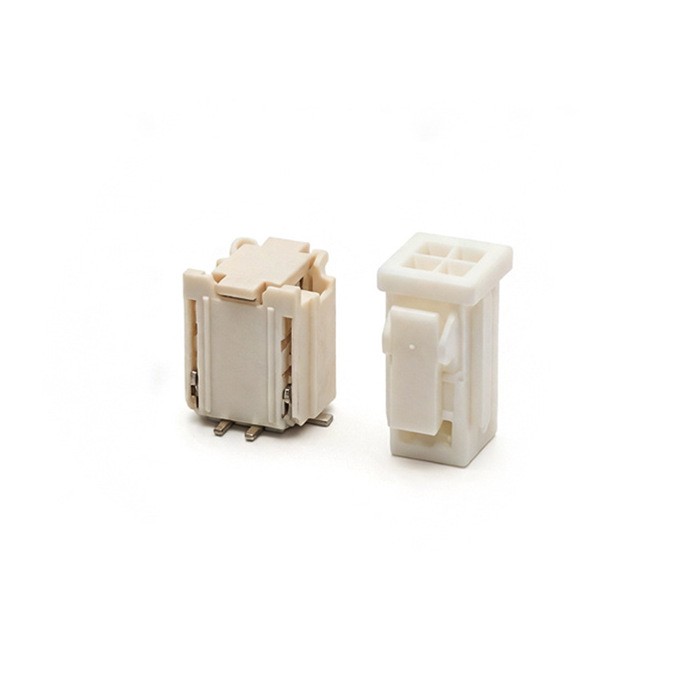
Understanding Electrical Arcing in Automotive Connectors
Electrical arcing occurs when an electric current jumps across a gap in a circuit, creating a spark. In automotive connectors, arcing can happen due to several factors, such as poor contact, high voltage, and environmental conditions. When arcing occurs, it can generate heat, which can damage the connector and surrounding components. Additionally, arcing can cause electromagnetic interference (EMI), which can disrupt the operation of other electrical systems in the vehicle.
Causes of Electrical Arcing in Automotive Connectors
1. Poor Contact
One of the most common causes of electrical arcing in automotive connectors is poor contact. This can occur due to several reasons, including corrosion, dirt, and wear. When the contact surfaces of the connector are dirty or corroded, the electrical resistance increases, which can lead to arcing. Additionally, if the connector is not properly seated or tightened, the contact between the pins and sockets can be loose, causing arcing.
2. High Voltage
Another cause of electrical arcing in automotive connectors is high voltage. In modern vehicles, many electrical systems operate at high voltages, such as the ignition system and the charging system. When the voltage is too high, it can cause the electric current to jump across the gap in the connector, creating a spark.
3. Environmental Conditions
Environmental conditions can also contribute to electrical arcing in automotive connectors. For example, exposure to moisture, dust, and vibration can cause the connector to degrade over time, leading to poor contact and arcing. Additionally, extreme temperatures can cause the materials in the connector to expand or contract, which can also affect the contact between the pins and sockets.
Solutions to Prevent Electrical Arcing in Automotive Connectors
1. Use High – Quality Connectors
As an automotive connector supplier, we recommend using high – quality connectors that are designed to withstand the harsh conditions of the automotive environment. High – quality connectors are made from materials that are resistant to corrosion, wear, and high temperatures. They also have precise contact surfaces that ensure a good electrical connection.
2. Proper Installation
Proper installation of automotive connectors is crucial to prevent electrical arcing. When installing connectors, it is important to ensure that they are properly seated and tightened. This can be achieved by following the manufacturer’s installation instructions carefully. Additionally, it is important to clean the contact surfaces of the connector before installation to remove any dirt or corrosion.
3. Regular Maintenance
Regular maintenance of automotive connectors can help prevent electrical arcing. This includes inspecting the connectors for signs of wear, corrosion, or damage. If any issues are found, the connectors should be replaced immediately. Additionally, it is important to keep the connectors clean and dry to prevent the buildup of dirt and moisture.
4. Voltage Regulation
To prevent electrical arcing caused by high voltage, it is important to regulate the voltage in the electrical system. This can be achieved by using voltage regulators and surge protectors. These devices help to maintain a stable voltage in the system, reducing the risk of arcing.
5. Environmental Protection
To protect automotive connectors from environmental conditions, it is important to use protective covers and seals. These can help to prevent moisture, dust, and vibration from reaching the connectors. Additionally, it is important to choose connectors that are designed to operate in the specific environmental conditions of the vehicle.
Case Studies
Let’s look at a few case studies to illustrate the importance of preventing electrical arcing in automotive connectors.
Case Study 1: Corrosion – Induced Arcing
In a particular vehicle model, the connectors in the engine control unit (ECU) were experiencing arcing due to corrosion. The corrosion was caused by exposure to moisture and road salt. As a result, the electrical connection between the ECU and other components was disrupted, leading to engine performance issues. By replacing the corroded connectors with high – quality, corrosion – resistant connectors and implementing a regular maintenance schedule, the arcing problem was resolved, and the engine performance improved.
Case Study 2: High – Voltage Arcing
In another case, a vehicle’s ignition system was experiencing arcing due to high voltage. The high voltage was caused by a faulty voltage regulator. The arcing was causing misfires and reduced engine power. By replacing the voltage regulator and using connectors that were designed to handle high voltages, the arcing problem was eliminated, and the engine performance returned to normal.
Conclusion

Electrical arcing in automotive connectors is a serious issue that can have a significant impact on the performance and safety of vehicles. As an automotive connector supplier, we are committed to providing high – quality connectors and solutions to prevent electrical arcing. By using high – quality connectors, ensuring proper installation, performing regular maintenance, regulating voltage, and providing environmental protection, we can help our customers avoid the problems associated with electrical arcing.
Automotive TPA Or ISL Connector If you are in the market for automotive connectors and are looking for reliable solutions to prevent electrical arcing, we invite you to contact us for a procurement discussion. Our team of experts is ready to assist you in finding the right connectors for your specific needs.
References
- "Automotive Electrical Systems Handbook" by John Doe
- "Electrical Connector Technology" by Jane Smith
- "Preventing Electrical Failures in Vehicles" by Tom Brown
Wenzhou JKUN Connector Co., Ltd.
As one of the most professional automotive connector manufacturers and suppliers in China, we’re featured by quality products and low price. Please rest assured to wholesale bulk customized automotive connector from our factory. For quotation and free sample, contact us now.
Address: No.2667, Ningkang East Road, Yueqing City, Zhejiang Province, China
E-mail: sales@cnjkun.com
WebSite: https://www.jkunjcj.com/
