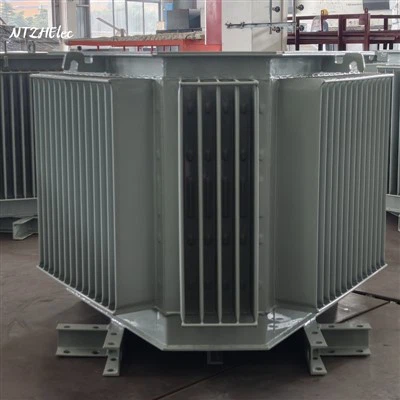
The service life of a transformer clamp is a critical concern for both suppliers like me and end – users. As a supplier of transformer clamps, I have in – depth knowledge of the factors that influence their longevity and how to ensure a long and reliable service life. Transformer Clamp
1. Factors Affecting the Service Life of Transformer Clamps
1.1 Material Quality
The materials used in the manufacturing of transformer clamps play a fundamental role in determining their service life. High – quality steel is often the preferred choice for its excellent strength, durability, and resistance to corrosion. For instance, stainless steel, which contains chromium, forms a passive oxide layer on its surface. This layer acts as a barrier, protecting the steel from rust and other forms of corrosion. In contrast, low – grade steel may start to corrode within a few years, especially in harsh environmental conditions.
Aluminum is another material used in some transformer clamps. It is lightweight and has good electrical conductivity. However, its mechanical strength is generally lower than that of steel. Aluminum clamps need to be carefully designed to ensure they can withstand the mechanical stresses during operation. If the aluminum alloy used is of poor quality, it may experience premature deformation or cracking, reducing the service life of the clamp.
1.2 Environmental Conditions
The environment in which the transformer clamp operates has a significant impact on its service life. In areas with high humidity, the risk of corrosion increases. Moisture in the air can react with the metal of the clamp, leading to the formation of rust. For example, in coastal regions, the salt in the air further accelerates the corrosion process.
Temperature variations also affect the performance of transformer clamps. Extreme heat can cause the metal to expand, while extreme cold can make it contract. Repeated expansion and contraction can lead to mechanical fatigue, weakening the clamp over time. In addition, high – temperature environments may cause the insulation materials used in the clamp to degrade, reducing their effectiveness.
1.3 Mechanical Stress
Transformer clamps are subjected to various mechanical stresses during operation. The weight of the transformer itself, as well as the vibrations caused by the operation of the transformer, can put pressure on the clamps. If the clamps are not designed to handle these stresses properly, they may experience deformation or breakage.
For example, in large – scale power transformers, the forces generated during short – circuit events can be extremely high. The clamps need to be able to withstand these sudden and intense forces without failing. Improper installation can also lead to uneven distribution of stress on the clamps, which can significantly reduce their service life.
2. Estimating the Service Life of Transformer Clamps
2.1 General Estimates
Under normal operating conditions, a high – quality transformer clamp made of good – quality steel can have a service life of 20 – 30 years. This estimate is based on the assumption that the clamp is installed correctly, the environmental conditions are relatively mild, and the transformer operates within its design parameters.
However, in more challenging environments, such as industrial areas with high levels of pollution or coastal regions with high humidity and salt air, the service life may be reduced to 10 – 15 years. In extreme cases, if the clamps are exposed to severe mechanical stresses or improper maintenance, their service life could be even shorter.
2.2 Monitoring and Maintenance
To accurately estimate the service life of a transformer clamp, regular monitoring and maintenance are essential. Visual inspections can be carried out to check for signs of corrosion, deformation, or cracking. Non – destructive testing methods, such as ultrasonic testing or magnetic particle testing, can be used to detect internal defects in the clamps.
Maintenance activities, such as cleaning the clamps to remove dirt and debris, and applying anti – corrosion coatings, can help extend their service life. By keeping a record of the inspection and maintenance results, it is possible to predict when a clamp may need to be replaced.
3. Our Company’s Approach to Ensuring Long Service Life
3.1 Material Selection
As a supplier, we are very strict about the materials we use. We source high – quality steel from reputable suppliers. Our steel has a high content of alloying elements, which enhances its strength and corrosion resistance. We also conduct rigorous quality control tests on the materials before they are used in the manufacturing process.
In addition to steel, we also offer aluminum clamps made from high – grade aluminum alloys. These alloys are carefully selected to ensure they have the right combination of strength, electrical conductivity, and corrosion resistance.
3.2 Design and Manufacturing
Our design team uses advanced engineering software to design transformer clamps that can withstand the mechanical stresses they will encounter during operation. We take into account factors such as the weight of the transformer, the vibrations, and the forces generated during short – circuit events.
During the manufacturing process, we use state – of – the – art production techniques to ensure the clamps are made with high precision. Our manufacturing facilities are equipped with advanced machinery, and our workers are highly skilled and trained. We also have a comprehensive quality control system in place to ensure that every clamp meets our high standards.
3.3 Customer Support
We provide our customers with detailed installation instructions to ensure the clamps are installed correctly. We also offer after – sales support, including advice on maintenance and monitoring. Our technical experts are available to answer any questions our customers may have about the service life and performance of our transformer clamps.
4. Conclusion and Invitation to Contact
In conclusion, the service life of a transformer clamp is influenced by multiple factors, including material quality, environmental conditions, and mechanical stress. By choosing high – quality materials, proper design and manufacturing, and regular maintenance, it is possible to extend the service life of the clamps.
As a professional supplier of transformer clamps, we are committed to providing our customers with high – quality products that have a long service life. We understand the importance of reliable transformer clamps in the power industry, and we strive to meet the needs of our customers.
Corrugated Transformer Tank If you are interested in purchasing our transformer clamps or have any questions about their service life and performance, please feel free to contact us. We are looking forward to having business discussions with you and providing you with the best solutions for your transformer clamp needs.
References
- ASME Boiler and Pressure Vessel Code, Section VIII, Division 1. This code provides standards for the design, fabrication, and inspection of pressure vessels, which are relevant to the design and manufacturing of transformer clamps.
- ASTM International standards for metals. These standards define the properties and testing methods for various metals used in the manufacturing of transformer clamps, such as steel and aluminum.
- IEEE standards for power transformers. These standards cover the design, operation, and maintenance of power transformers, which are closely related to the performance and service life of transformer clamps.
Nantong Zhihe Electric Co., Ltd.
As one of the most professional transformer clamp manufacturers and suppliers in China, we’re featured by quality products and low price. Please rest assured to wholesale cheap transformer clamp made in China here from our factory. Customized orders are welcome.
Address: NO.202 Jianghai West Road, Hai’an Town, Hai’an City, Jiangsu Province
E-mail: colt.ntzh@gmail.com
WebSite: https://www.ntzhelectric.com/
