Power quality is a critical aspect of electrical systems, influencing the efficiency, reliability, and lifespan of electrical equipment. As a provider of Power Quality Analyzers, I understand the significance of using these devices for power quality benchmarking. In this blog, I’ll share insights on how to effectively use a Power Quality Analyzer for benchmarking, enabling you to make informed decisions about your electrical systems. Power Quality Analyzer

Understanding Power Quality Benchmarking
Power quality benchmarking involves comparing the power quality of an electrical system against established standards or previous performance data. This process helps identify areas of improvement, potential issues, and compliance with regulatory requirements. By using a Power Quality Analyzer, you can collect accurate and detailed data about various power quality parameters, such as voltage, current, frequency, harmonics, and power factor.
Selecting the Right Power Quality Analyzer
The first step in power quality benchmarking is selecting the right Power Quality Analyzer for your specific needs. Consider the following factors when making your choice:
- Measurement Capabilities: Ensure that the analyzer can measure all the relevant power quality parameters you need to benchmark. Look for features such as high-resolution measurement, real-time data acquisition, and the ability to record data over extended periods.
- Accuracy and Precision: The accuracy of the analyzer is crucial for reliable benchmarking. Look for analyzers with high accuracy ratings and calibration certificates to ensure the data you collect is trustworthy.
- User-Friendly Interface: A user-friendly interface makes it easier to operate the analyzer and interpret the data. Look for analyzers with intuitive menus, clear displays, and the ability to export data in various formats.
- Portability and Durability: If you need to conduct on-site measurements, consider a portable and durable analyzer that can withstand harsh environments.
Preparing for Power Quality Benchmarking
Before you start using the Power Quality Analyzer for benchmarking, it’s important to prepare the electrical system and the analyzer. Here are some steps to follow:
- Identify the Benchmarking Objectives: Clearly define the objectives of your benchmarking exercise. Are you looking to identify power quality issues, compare performance against industry standards, or evaluate the effectiveness of a power quality improvement project?
- Select the Measurement Points: Determine the locations in the electrical system where you want to measure power quality. Consider factors such as the type of equipment, the load profile, and the potential sources of power quality issues.
- Calibrate the Analyzer: Ensure that the Power Quality Analyzer is calibrated according to the manufacturer’s instructions. Calibration ensures the accuracy of the measurements and helps maintain consistency in the data.
- Set the Measurement Parameters: Configure the analyzer to measure the specific power quality parameters you need for benchmarking. This may include setting the measurement range, sampling rate, and recording interval.
Conducting Power Quality Measurements
Once you have prepared the electrical system and the analyzer, you can start conducting power quality measurements. Here are some tips to ensure accurate and reliable measurements:
- Follow the Manufacturer’s Instructions: Read the user manual carefully and follow the manufacturer’s instructions for operating the analyzer. This will help you avoid errors and ensure the accuracy of the measurements.
- Take Multiple Measurements: To obtain a comprehensive view of the power quality, take multiple measurements at different times and under different operating conditions. This will help you identify any variations in power quality and detect potential issues.
- Record the Data: Use the analyzer’s data recording function to record the power quality measurements. Make sure to record the date, time, and measurement location for each measurement.
- Analyze the Data: Once you have collected the data, use the analyzer’s software or a third-party analysis tool to analyze the data. Look for trends, patterns, and anomalies in the data to identify power quality issues and potential areas of improvement.
Interpreting the Results
Interpreting the results of the power quality measurements is crucial for making informed decisions about your electrical system. Here are some key points to consider when interpreting the results:
- Compare Against Standards: Compare the measured power quality parameters against established standards, such as IEEE 519 or EN 50160. This will help you determine if your electrical system is compliant with the standards and identify any areas of non-compliance.
- Identify Trends and Patterns: Look for trends and patterns in the data over time. This can help you identify potential issues, such as increasing harmonic levels or voltage fluctuations, and take proactive measures to address them.
- Evaluate the Impact on Equipment: Consider the impact of the power quality issues on your electrical equipment. Poor power quality can cause equipment damage, reduce efficiency, and increase maintenance costs. By identifying and addressing power quality issues, you can extend the lifespan of your equipment and improve its performance.
- Develop a Power Quality Improvement Plan: Based on the results of the benchmarking exercise, develop a power quality improvement plan. This may include implementing power quality mitigation measures, such as installing filters or upgrading equipment, to improve the power quality of your electrical system.
Using Power Quality Benchmarking for Continuous Improvement
Power quality benchmarking is not a one-time exercise. It should be an ongoing process to ensure the continuous improvement of your electrical system. Here are some ways to use power quality benchmarking for continuous improvement:
- Establish Baseline Data: Use the initial benchmarking results to establish baseline data for your electrical system. This will serve as a reference point for future benchmarking exercises and help you track the progress of your power quality improvement efforts.
- Conduct Regular Benchmarking: Schedule regular benchmarking exercises to monitor the power quality of your electrical system over time. This will help you detect any changes in power quality and take proactive measures to address them.
- Compare Against Industry Best Practices: Compare your power quality performance against industry best practices to identify areas where you can improve. This can help you stay competitive and ensure the reliability and efficiency of your electrical system.
- Involve Stakeholders: Involve stakeholders, such as facility managers, electrical engineers, and equipment operators, in the power quality benchmarking process. This will help ensure that everyone is aware of the importance of power quality and committed to improving it.
Conclusion
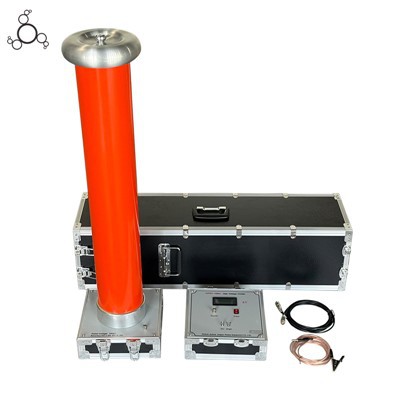
Power quality benchmarking is an essential tool for ensuring the reliability, efficiency, and safety of electrical systems. By using a Power Quality Analyzer to collect accurate and detailed data about power quality parameters, you can identify areas of improvement, potential issues, and compliance with regulatory requirements. By following the steps outlined in this blog, you can effectively use a Power Quality Analyzer for power quality benchmarking and make informed decisions about your electrical system.
VLF Hipot Tester If you’re interested in learning more about power quality benchmarking or purchasing a Power Quality Analyzer, please don’t hesitate to contact us. Our team of experts is ready to assist you with your power quality needs.
References
- IEEE 519-2014, IEEE Recommended Practices and Requirements for Harmonic Control in Electrical Power Systems.
- EN 50160, Voltage characteristics of electricity supplied by public distribution networks.
Wuhan Jiuhua Jingce Power Equipment Co., Ltd.
As one of the most experienced power quality analyzer manufacturers in China, we offer a wide range of products with superior quality. Please feel free to wholesale bulk durable power quality analyzer from our factory. For price consultation, contact us.
Address: 601,Unit 1,Building D4-02,Optics Valley Center,303 OpticsValley Avenue,Wuhan
E-mail: market@wuhanjhjc.com
WebSite: https://www.powertransformertester.com/
