Hey there! I’m a supplier of Tangential Flow Filtration (TFF) devices. Today, I’m gonna share with you how to adjust the flow rate of these devices. It’s super important to get this right, ’cause it can have a big impact on the efficiency and effectiveness of your filtration process. Tangential Flow Filtration Devices

Why Adjusting Flow Rate Matters
First off, let’s talk about why adjusting the flow rate is such a big deal. In TFF, the flow rate affects how well the filtration works. If the flow rate is too high, you might end up with a lower separation efficiency. The pressure might also build up too much, which could damage the membrane. On the other hand, if the flow rate is too low, the process can take forever, and you might not get the desired results.
Factors Affecting Flow Rate
There are a few factors that can affect the flow rate of TFF devices. Let’s take a look at them one by one.
Viscosity of the Feed Solution
The viscosity of the feed solution is a major factor. If the solution is thick and sticky, it’s gonna be harder for it to flow through the system. For example, if you’re filtering a solution with a high concentration of proteins, it’s gonna have a higher viscosity compared to a simple salt solution. When the viscosity is high, you might need to adjust the flow rate down to avoid putting too much pressure on the membrane.
Membrane Pore Size
The pore size of the membrane also plays a role. A membrane with smaller pores will offer more resistance to the flow of the solution. So, if you’re using a membrane with a very small pore size, you’ll probably need to have a lower flow rate to ensure that the solution can pass through without causing too much pressure.
Pressure
Pressure is another important factor. The pressure difference across the membrane drives the flow of the solution. If you increase the pressure, the flow rate will generally increase. But you have to be careful not to go too high, ’cause it can damage the membrane. You need to find the right balance between pressure and flow rate.
How to Adjust the Flow Rate
Now that we know what factors affect the flow rate, let’s talk about how to adjust it.
Using a Pump
Most TFF devices come with a pump that’s used to control the flow rate. You can usually adjust the speed of the pump to change the flow rate. If you want to increase the flow rate, you can turn up the pump speed. But remember, you need to keep an eye on the pressure to make sure it doesn’t get too high.
Changing the Pressure
As I mentioned earlier, pressure and flow rate are related. You can adjust the pressure to change the flow rate. Some TFF devices have a pressure regulator that allows you to control the pressure. If you increase the pressure, the flow rate will go up, but make sure you don’t exceed the maximum pressure that the membrane can handle.
Adjusting the Feed Solution
You can also adjust the flow rate by changing the properties of the feed solution. For example, if the solution is too viscous, you can try diluting it. This will reduce the viscosity and make it easier for the solution to flow through the system.
Monitoring the Flow Rate
It’s important to monitor the flow rate during the filtration process. You can use a flow meter to measure the flow rate. Most TFF devices come with a built-in flow meter, or you can use an external one. By monitoring the flow rate, you can make sure that it’s within the desired range and make adjustments if necessary.
Troubleshooting Flow Rate Issues
Sometimes, you might run into issues with the flow rate. Here are some common problems and how to solve them.
Low Flow Rate
If you’re getting a low flow rate, it could be due to a few reasons. The membrane might be clogged, the pump might not be working properly, or the feed solution might be too viscous. To solve this problem, you can try cleaning the membrane, checking the pump, or diluting the feed solution.
High Flow Rate
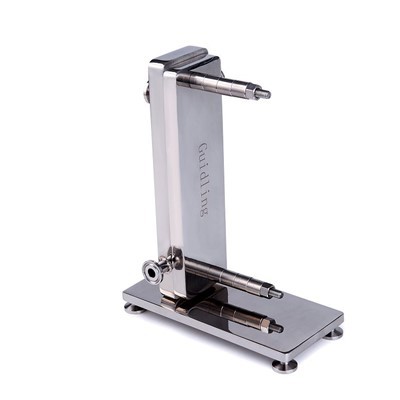
A high flow rate can also be a problem. It can cause the pressure to build up too much and damage the membrane. If you’re getting a high flow rate, you can try reducing the pump speed or adjusting the pressure.
Conclusion
Commercial Mfg. Adjusting the flow rate of TFF devices is an important part of the filtration process. By understanding the factors that affect the flow rate and knowing how to adjust it, you can ensure that your filtration process is efficient and effective. If you have any questions or need more information about our TFF devices, feel free to reach out to us. We’re here to help you get the most out of your filtration process.
References
- "Tangential Flow Filtration: Principles and Applications" by [Author’s Name]
- "Filtration Technology Handbook" by [Author’s Name]
Hangzhou Guidling Technology Co., Ltd.
As one of the leading tangential flow filtration devices manufacturers and suppliers in China, we also support customized service. We warmly welcome you to wholesale high quality tangential flow filtration devices in stock here from our factory. For quotation, contact us now.
Address: No.795, 18th Street, Qiantang New District, Hangzhou City, Zhejiang Province, China
E-mail: export1@guidling.net
WebSite: https://www.guidlingfiltration.com/
