As a supplier of НАБИВКА САЛЬНИКОВАЯ УГЛЕРОДНАЯ, I’ve received numerous inquiries about its oxidation resistance. In this blog, I’ll delve into the scientific aspects of how this product resists oxidation, sharing insights based on my experience in the industry. НАБИВКА САЛЬНИКОВАЯ УГЛЕРОДНАЯ
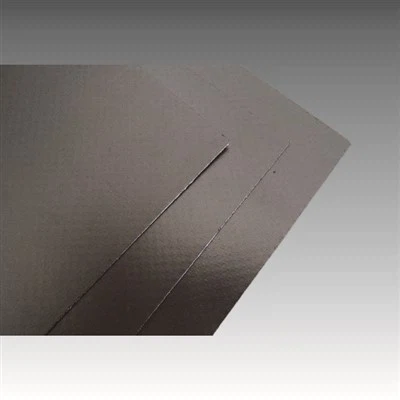
Understanding the Basics of НАБИВКА САЛЬНИКОВАЯ УГЛЕРОДНАЯ
НАБИВКА САЛЬНИКОВАЯ УГЛЕРОДНАЯ, or carbon stuffing for stuffing boxes, is a crucial component in various industrial applications. It is commonly used in pumps, valves, and other equipment where sealing is essential. The material is made primarily of carbon, which has unique properties that contribute to its performance.
Carbon is known for its high thermal conductivity, chemical stability, and low friction coefficient. These properties make it an ideal material for sealing applications. However, in the presence of oxygen, carbon can undergo oxidation, which can degrade its performance over time. Therefore, understanding how НАБИВКА САЛЬНИКОВАЯ УГЛЕРОДНАЯ resists oxidation is of utmost importance.
The Oxidation Process and Its Impact
Oxidation is a chemical reaction that occurs when a substance reacts with oxygen. In the case of carbon, oxidation can lead to the formation of carbon dioxide or carbon monoxide, depending on the conditions. This reaction can cause the carbon material to lose its structural integrity, resulting in reduced sealing performance and increased wear.
The rate of oxidation depends on several factors, including temperature, oxygen concentration, and the presence of catalysts. Higher temperatures and oxygen concentrations generally accelerate the oxidation process. Additionally, certain metals and other substances can act as catalysts, further promoting oxidation.
Mechanisms of Oxidation Resistance in НАБИВКА САЛЬНИКОВАЯ УГЛЕРОДНАЯ
There are several mechanisms by which НАБИВКА САЛЬНИКОВАЯ УГЛЕРОДНАЯ resists oxidation. These mechanisms work together to protect the carbon material and maintain its performance over time.
1. Surface Coating
One of the most common methods of enhancing oxidation resistance is through the application of a surface coating. The coating acts as a barrier between the carbon material and the surrounding environment, preventing oxygen from coming into direct contact with the carbon. This can significantly reduce the rate of oxidation.
The coating can be made of various materials, such as graphite, ceramic, or metal oxides. These materials have high chemical stability and can withstand high temperatures, making them suitable for use in harsh environments. The coating is typically applied using a specialized process, such as spraying or dipping, to ensure uniform coverage.
2. Impregnation
Another method of improving oxidation resistance is through impregnation. Impregnation involves the use of a chemical solution to fill the pores and voids in the carbon material. This can help to reduce the surface area available for oxidation and improve the overall density of the material.
The impregnating agent can be a variety of substances, such as resin, oil, or wax. These substances can provide additional protection against oxidation and also improve the lubrication properties of the carbon material. The impregnation process is typically carried out under vacuum or pressure to ensure that the solution penetrates the entire material.
3. Alloying
Alloying is a process in which other elements are added to the carbon material to enhance its properties. By adding certain elements, such as silicon, boron, or titanium, the oxidation resistance of the carbon material can be significantly improved.
These elements can form a protective layer on the surface of the carbon material, which can prevent oxygen from reaching the underlying carbon. Additionally, the alloying elements can also improve the mechanical properties of the carbon material, such as its strength and hardness.
4. Heat Treatment
Heat treatment is a process in which the carbon material is heated to a high temperature and then cooled at a controlled rate. This can help to improve the crystallinity of the carbon material and reduce the number of defects, which can enhance its oxidation resistance.
Heat treatment can also change the microstructure of the carbon material, making it more resistant to oxidation. For example, by heating the carbon material to a high temperature and then quenching it, the carbon atoms can be rearranged into a more stable structure, which can improve its oxidation resistance.
Factors Affecting Oxidation Resistance
While the mechanisms described above can help to improve the oxidation resistance of НАБИВКА САЛЬНИКОВАЯ УГЛЕРОДНАЯ, there are several factors that can still affect its performance. These factors include:
1. Temperature
Temperature is one of the most important factors affecting oxidation resistance. Higher temperatures generally accelerate the oxidation process, as the increased thermal energy provides more energy for the chemical reaction to occur. Therefore, it is important to choose a carbon stuffing material that is suitable for the operating temperature of the application.
2. Oxygen Concentration
The concentration of oxygen in the environment also plays a significant role in the oxidation process. Higher oxygen concentrations can increase the rate of oxidation, as there is more oxygen available for the reaction. Therefore, in applications where the oxygen concentration is high, it is important to use a carbon stuffing material with a high oxidation resistance.
3. Chemical Environment
The chemical environment in which the carbon stuffing material is used can also affect its oxidation resistance. Certain chemicals, such as acids, bases, and oxidizing agents, can react with the carbon material and accelerate the oxidation process. Therefore, it is important to choose a carbon stuffing material that is resistant to the specific chemicals present in the application.
4. Mechanical Stress
Mechanical stress can also affect the oxidation resistance of the carbon stuffing material. When the material is subjected to mechanical stress, such as compression or tension, it can cause the formation of cracks and defects, which can provide a pathway for oxygen to reach the underlying carbon. Therefore, it is important to choose a carbon stuffing material that has good mechanical properties and can withstand the mechanical stress of the application.
Conclusion

In conclusion, НАБИВКА САЛЬНИКОВАЯ УГЛЕРОДНАЯ resists oxidation through a combination of surface coating, impregnation, alloying, and heat treatment. These mechanisms work together to protect the carbon material and maintain its performance over time. However, the oxidation resistance of the material can still be affected by factors such as temperature, oxygen concentration, chemical environment, and mechanical stress.
Textile Silica Product As a supplier of НАБИВКА САЛЬНИКОВАЯ УГЛЕРОДНАЯ, I am committed to providing high-quality products that meet the specific needs of my customers. If you are interested in learning more about our products or would like to discuss your specific requirements, please feel free to contact me. I look forward to working with you to find the best solution for your application.
References
- "Carbon Materials: Properties and Applications" by R. Setton
- "Oxidation Resistance of Carbon Materials" by J. M. Donnet and R. C. Bansal
- "Advanced Carbon Materials and Technology" edited by Y. Z. Zhang and X. B. Zhang
Zhejiang Top Sealing and Insulation Co., Ltd.
As one of the most professional carbon gland packing manufacturers and suppliers in China, we’re featured by quality products and good service. Please rest assured to buy high-grade carbon gland packing from our factory.
Address: No. 78 West Zhenxing Road, Lianghui Industry Zone, Yuyao, Zhejiang, 315403, China
E-mail: service2@sealings.cn
WebSite: https://www.topsealings.com/
