Hey there! I’m a supplier of resin sand castings, and I’ve been in this game for quite a while. One of the most common issues we face in resin sand casting is the high gas content in the castings. It can lead to all sorts of problems like porosity, blowholes, and even affect the mechanical properties of the final product. So, I thought I’d share some tips on how to reduce the gas content in resin sand castings. Resin Sand Castings

Understanding the Source of Gas in Resin Sand Castings
Before we dive into the solutions, let’s first understand where the gas comes from. There are several sources of gas in resin sand castings:
- Resin and Hardener: The resin and hardener used in the sand mixture release gas when they react during the curing process. This is a normal part of the chemical reaction, but if not managed properly, it can lead to excessive gas formation.
- Moisture: Moisture in the sand, resin, or the metal itself can turn into steam during the casting process, adding to the gas content.
- Contaminants: Any contaminants in the sand, such as organic matter or other impurities, can decompose and release gas when exposed to the high temperatures of the casting process.
Tips to Reduce Gas Content
1. Proper Sand Preparation
- Drying the Sand: Make sure the sand is thoroughly dried before mixing it with the resin and hardener. You can use a sand dryer to remove any moisture. This will prevent the formation of steam during the casting process.
- Cleaning the Sand: Remove any contaminants from the sand. You can use a vibrating screen to separate the sand from larger particles and debris. This will reduce the amount of organic matter and other impurities that can release gas.
2. Optimize Resin and Hardener Usage
- Choose the Right Resin and Hardener: Different resins and hardeners have different gas release characteristics. Choose a resin and hardener combination that has a low gas release rate. You can consult with your resin supplier to find the best option for your specific casting requirements.
- Control the Mixing Ratio: Make sure you follow the recommended mixing ratio for the resin and hardener. Using too much resin or hardener can lead to excessive gas formation. On the other hand, using too little can result in poor curing and weak castings.
3. Improve the Casting Process
- Proper Venting: Ensure that the mold has proper venting to allow the gas to escape. You can use vents, risers, or porous materials in the mold to facilitate gas escape. This will prevent the gas from getting trapped in the casting and causing defects.
- Preheat the Mold: Preheating the mold can help to reduce the temperature difference between the molten metal and the mold, which can reduce the amount of gas generated during the casting process. It also helps to improve the flow of the molten metal and reduce the risk of cold shuts and other defects.
- Control the Pouring Speed: Pour the molten metal at a controlled speed. Pouring too fast can cause turbulence, which can trap gas in the casting. Pouring too slow can result in the metal solidifying before it fills the mold completely.
4. Quality Control
- Inspect the Raw Materials: Before using the sand, resin, and hardener, inspect them for quality. Make sure they meet the required specifications and are free from contaminants.
- Monitor the Casting Process: Keep a close eye on the casting process and make adjustments as needed. You can use sensors and other monitoring devices to measure the temperature, pressure, and other parameters during the casting process.
- Inspect the Castings: After the casting is complete, inspect it for defects. You can use non-destructive testing methods such as X-ray, ultrasonic, or magnetic particle testing to detect any internal defects.
Conclusion
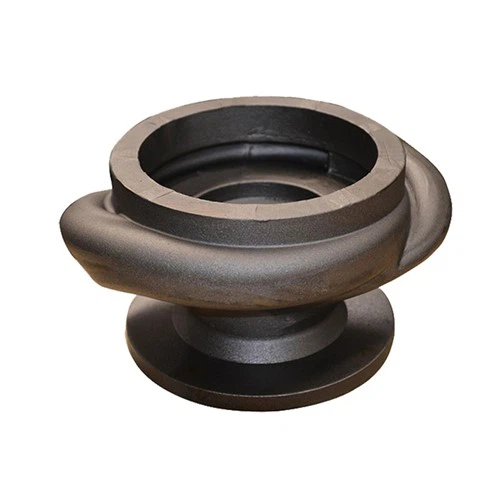
Reducing the gas content in resin sand castings is crucial for producing high-quality castings. By following these tips, you can minimize the gas formation and improve the quality of your castings. Remember, proper sand preparation, optimizing resin and hardener usage, improving the casting process, and quality control are all important factors in reducing the gas content in resin sand castings.
Alloy Steel Castings If you’re in the market for high-quality resin sand castings, I’d love to talk to you. We have years of experience in the industry and can provide you with the best solutions for your casting needs. Whether you need small or large castings, we can handle it. So, don’t hesitate to reach out and let’s start a conversation about your project.
References
- "Foundry Technology: Principles and Practice" by John Campbell
- "Resin Sand Casting Handbook" by various authors
Qingdao Rinborn Machinery Co., Ltd.
Address: Huangdao, Qingdao, China
E-mail: info@casting-foundry.com
WebSite: https://www.casting-foundry.com/
