Yo! I’m a supplier of steel lining PTFE pipes and fittings, and I often get asked about how to connect these bad boys. It’s not rocket science, but there are definitely some key things you gotta know. So, today, I’m gonna break it down for you in a way that’s easy to understand, no fancy tech jargon here. Steel Lining PTFE Pipes and Fittings
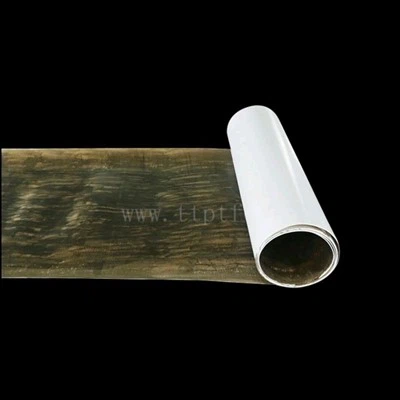
First off, let’s talk a bit about why steel lining PTFE pipes and fittings are so great. PTFE, or polytetrafluoroethylene, is this super – durable and chemical – resistant material. When you line steel pipes with it, you get the best of both worlds: the strength of steel and the corrosion – fighting power of PTFE. This makes them perfect for all sorts of industries, like chemical processing, pharmaceuticals, and food and beverage.
Now, onto the connection methods. There are a few common ways to connect steel lining PTFE pipes and fittings, and each has its own pros and cons.
Flange Connection
One of the most widely used methods is the flange connection. It’s like a classic move in the plumbing game. Here’s how it works.
You start with two pipes or a pipe and a fitting that have flanges attached to their ends. These flanges are basically flat, circular pieces with holes around the edge. You line up the two flanges so that the holes match up. Then, you use bolts and nuts to tighten them together. Before you do that, though, you gotta put a gasket in between the flanges. The gasket acts as a seal, preventing any leaks from happening.
The great thing about flange connections is that they’re easy to install and disassemble. If you need to make repairs or do some maintenance, you can just loosen the bolts and take the connection apart. They’re also really strong and can handle high pressures.
But there are some downsides too. The flange connection can be a bit bulky, which might be a problem if you’re working in a tight space. And the gaskets need to be replaced regularly to make sure the seal stays good. If you don’t replace them in time, you could end up with leaks.
Threaded Connection
Another option is the threaded connection. This is a bit like screwing two things together. The ends of the pipes and fittings are threaded, either male or female. The male threads are like the ridges on a screw, and the female threads are the grooves that the male threads fit into.
To make a threaded connection, you just screw the male – threaded part into the female – threaded part. You can also use a thread – sealing tape or compound to make the connection even more secure and leak – proof.
Threaded connections are pretty simple and quick to make. They’re also great for smaller – diameter pipes and fittings. You don’t need a lot of tools to do it, just a wrench to tighten the connection.
However, threaded connections aren’t as strong as flange connections. They can come loose over time, especially if there’s a lot of vibration or movement in the pipes. And if the threads get damaged during installation or use, it can be a pain to fix.
Welding Connection
Welding is a more permanent way to connect steel lining PTFE pipes and fittings. There are different types of welding methods you can use, like butt welding or socket welding.
In butt welding, you heat up the ends of the two pipes or a pipe and a fitting until they’re molten, and then you press them together. The molten metal fuses, creating a strong, seamless connection. Socket welding is a bit different. You insert one end of the pipe into a socket in the fitting and then weld around the joint.
Welding connections are incredibly strong. They can handle high pressures and temperatures, and they’re very leak – resistant. Once the connection is made, it’s pretty much there to stay.
But welding has its challenges. It requires special equipment and skilled welders. You also need to be really careful when welding steel lining PTFE pipes because the heat can damage the PTFE lining if you’re not careful. And if there’s a problem with the connection later on, it’s a lot harder to fix compared to flange or threaded connections.
Selecting the Right Connection Method
So, how do you know which connection method to choose? Well, it depends on a few factors.
The first thing to consider is the application. If you’re dealing with high – pressure or high – temperature fluids, a welding or flange connection might be your best bet. They can handle the stress better. But if you’re working in a low – pressure system or need a connection that’s easy to change, a threaded connection could be more suitable.
The space you’re working in also matters. If you’re in a tight spot, you might want to avoid flange connections because of their bulkiness. And if you’re installing the pipes in a place where vibration is a problem, you’ll need to choose a connection method that can withstand it.
Cost is another factor. Welding usually costs more because you need specialized equipment and skilled labor. Flange connections also have some cost associated with the flanges, gaskets, bolts, and nuts. Threaded connections are generally the most cost – effective option, especially for small – scale projects.
Tips for a Successful Connection
No matter which connection method you choose, there are some general tips that can help you make a successful connection.
First, make sure the pipes and fittings are clean. Any dirt, debris, or grease can affect the quality of the connection. You can use a clean cloth or a mild solvent to clean the surfaces.
Second, follow the manufacturer’s instructions. Every product is a bit different, and the manufacturer knows best how to install their pipes and fittings properly. Pay attention to things like torque specifications for bolts in flange connections or the right way to apply thread – sealing tape in threaded connections.
Third, inspect the connection after installation. Look for any signs of leaks, like drips or wet spots. If you find a leak, you need to fix it right away. You might need to tighten the connection, replace a gasket, or re – weld the joint.
Conclusion

Connecting steel lining PTFE pipes and fittings isn’t all that hard once you know the basics. Whether you go for a flange, threaded, or welding connection, just make sure you choose the right method for your application, follow the best practices, and do a thorough inspection.
Polytetrafluoroethylene (PTFE) Lining If you’re in the market for steel lining PTFE pipes and fittings, or if you have any questions about the connection methods, don’t hesitate to reach out. I’m here to help you make the right choices for your project.
References
- "Handbook of PTFE Applications", Industrial Plastics Publishing
- "Pipe Fitting Installation Guide", Plumbing Industry Association
Yancheng Tongtong Industrial Technology Co.,Ltd
We’re well-known as one of the leading steel lining PTFE pipes and fittings manufacturers and suppliers in China. Please feel free to buy high quality steel lining PTFE pipes and fittings from our factory. For price consultation, contact us.
Address: No. 3, Zhuxi Road, Zhuxi Community, Wuyou Street, Chengnan New District, Yancheng City, Jiangsu Province
E-mail: alice@ttptfe.com
WebSite: https://www.ttptfe.com/
