As a supplier of plastic injection moulds, I understand the critical role that selecting the right screw plays in the plastic injection moulding process. The screw is a fundamental component of the injection moulding machine, and its design and specifications can significantly influence the quality, efficiency, and cost – effectiveness of the entire operation. In this blog, I’ll share some key considerations to help you choose the right screw for your plastic injection moulding needs. Plastic Injection Mould

Understanding the Basics of Screws in Plastic Injection Moulding
The screw in an injection moulding machine serves multiple purposes. It is responsible for melting, mixing, and pumping the plastic material into the mould cavity. The design of the screw is optimized to handle different types of plastics, and various factors such as the plastic’s viscosity, melting point, and particle size need to be taken into account.
There are mainly three sections in a typical screw: the feed section, the transition section, and the metering section. The feed section is where the solid plastic pellets are fed into the screw. The transition section gradually compresses and melts the plastic, while the metering section ensures the melted plastic is delivered at a consistent pressure and volume to the mould.
Material Compatibility
One of the primary considerations when choosing a screw is the type of plastic material you will be using. Different plastics have different properties, and the screw needs to be designed to handle these characteristics effectively.
For example, polypropylene (PP) and polyethylene (PE): These are common thermoplastics with relatively low melting points and low viscosities. A screw with a large pitch and a relatively shallow flight depth can be suitable for these materials. The large pitch allows for a faster feeding rate, and the shallow flight depth helps in efficient melting and mixing.
Polycarbonate (PC) and ABS: These plastics have higher melting points and higher viscosities compared to PP and PE. A screw with a smaller pitch and deeper flight depth is often required. The smaller pitch provides more compression and shearing action, which helps in melting the higher – viscosity plastics. The deeper flight depth allows for better transport of the more viscous molten plastic.
Engineering plastics such as PEEK: PEEK is a high – performance engineering plastic with an extremely high melting point. Screws for PEEK need to be made from high – quality materials that can withstand high temperatures and wear. They also often require special coatings to prevent corrosion and ensure smooth plastic flow.
Screw Geometry
The geometry of the screw, including the length – to – diameter ratio (L/D), pitch, and flight thickness, has a significant impact on the plastic’s processing.
- Length – to – Diameter Ratio (L/D): A higher L/D ratio generally provides better melting and mixing of the plastic. However, it also requires more energy and may increase the residence time of the plastic in the barrel, which can be a concern for heat – sensitive plastics. For general – purpose plastics, an L/D ratio of 20:1 to 25:1 is commonly used. For more difficult – to – process plastics, a ratio of up to 30:1 may be necessary.
- Pitch: The pitch of the screw refers to the distance between consecutive flights. A uniform pitch is commonly used, but in some cases, screws with variable pitch may be employed. A variable – pitch screw can provide different levels of compression at different sections of the screw, which can be beneficial for certain types of plastics.
- Flight Thickness: The flight thickness affects the strength of the screw and the amount of plastic that can be transported between the flights. Thicker flights are generally stronger but may reduce the plastic – carrying capacity. The flight thickness needs to be optimized based on the plastic material and the expected processing conditions.
Compression Ratio
The compression ratio is the ratio of the volume of the feed section to the volume of the metering section. It is a crucial parameter that determines the amount of compression applied to the plastic during the melting process.
A high – compression – ratio screw is suitable for plastics that are difficult to melt, such as high – viscosity engineering plastics. It provides more shearing action and heat generation, which helps in melting the plastic. However, high – compression screws may also cause excessive shear heating, which can degrade heat – sensitive plastics.
On the other hand, a low – compression – ratio screw is appropriate for low – viscosity plastics or heat – sensitive materials. It reduces the shear stress on the plastic and minimizes the risk of degradation.
Wear Resistance
The screw is subject to significant wear and tear during the injection moulding process, especially when processing abrasive plastics or filled materials. Therefore, wear resistance is an important consideration when choosing a screw.
There are several ways to improve the wear resistance of the screw. Using high – quality alloys for the screw construction is one option. For example, alloys containing tungsten, molybdenum, and chromium have good wear – resistant properties. Additionally, surface treatments such as nitriding, chrome plating, or applying special coatings can further enhance the screw’s wear resistance.
Processing Requirements
Your specific processing requirements also play a crucial role in screw selection. If you need to achieve high – speed production, a screw with a fast – feeding design and efficient melting capabilities is essential. This may involve a screw with a large pitch and optimized geometry.
For applications that require high precision and consistent quality, a screw with excellent metering capabilities is necessary. The metering section of the screw should be designed to ensure a uniform flow rate and pressure of the molten plastic.
If you are handling multiple types of plastics in your production, a versatile screw that can handle different material properties is recommended. Some screws are designed to be adjustable or can be easily modified to suit different processing requirements.
Machine Compatibility
The screw you choose must be compatible with your injection moulding machine. The diameter of the screw should match the diameter of the barrel in the machine. Additionally, the screw’s drive system and power requirements need to be compatible with the capabilities of the machine.
It’s also important to consider the machine’s clamping force and injection pressure. The screw should be able to handle the required injection pressure to ensure proper filling of the mould cavity.
Cost Considerations
Cost is always a factor in any business decision. While high – quality screws with advanced features may offer better performance, they also come with a higher price tag. It’s important to balance the cost with your specific needs.
For small – scale production or less demanding applications, a more basic and cost – effective screw may be sufficient. However, for large – scale production or high – quality plastic parts, investing in a high – performance screw can result in long – term savings due to improved productivity and reduced scrap rates.
Conclusion
Choosing the right screw for plastic injection moulding is a complex process that requires careful consideration of multiple factors, including material compatibility, screw geometry, compression ratio, wear resistance, processing requirements, machine compatibility, and cost. As a plastic injection mould supplier, I have extensive experience in helping customers select the most suitable screws for their specific applications.
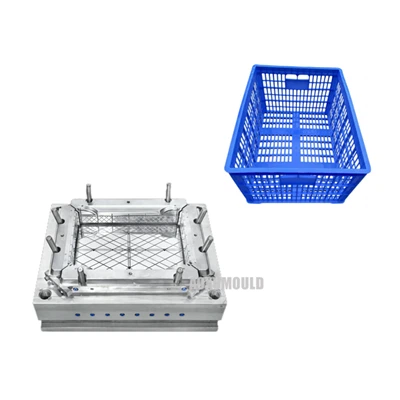
If you are in the market for plastic injection moulds or need advice on choosing the right screw, I encourage you to reach out. Our team of experts can provide you with detailed information and guidance to ensure you make the best decision for your business. We are committed to helping you achieve the highest quality plastic parts at the most competitive prices.
Flower Pot Mould References
- Throne, J. L. (1996). Introduction to Polymer Processing. Marcel Dekker, Inc.
- Osswald, T. A., & Menges, G. (2003). Injection Molding Handbook. Hanser Publishers.
- Beatty, J. (2002). Plastics Engineered Product Design. Marcel Dekker, Inc.
Taizhou Huangyan Aoxu Mould Technology Co., Ltd.
As one of the most professional plastic injection mould manufacturers and suppliers in China, we’re featured by quality products and good price. Please rest assured to buy plastic injection mould for sale here from our factory. Contact us for customized service.
Address: NO.38, Beiyuan Avenue, Northern Industrial Zone, Huangyan, Taizhou, Zhejiang, China.
E-mail: sales@aoxumoulds.com
WebSite: https://www.mouldsinjection.com/
