Pumice stone, a lightweight and porous volcanic rock, has long been recognized for its various practical applications. As a supplier of high – quality pumice stones, I often get asked about their potential use in pool maintenance. In this blog, we’ll explore whether a pumice stone can be used in a pool, the pros and cons, and how to use it effectively. Pumice Stone
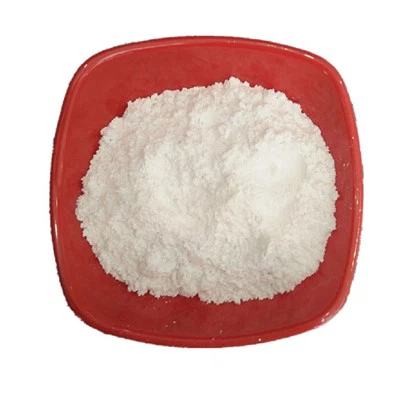
The Nature of Pumice Stone
Pumice is formed when lava with high gas content cools rapidly. This process results in a stone filled with countless tiny air bubbles, giving it a low density and a rough texture. These unique properties make pumice useful for a wide range of tasks. Its abrasive surface can be used to scrub away dirt, grime, and even some types of stains.
Can a Pumice Stone Be Used in a Pool?
The short answer is yes, a pumice stone can be used in a pool. However, there are several factors to consider before doing so.
Advantages of Using Pumice Stone in a Pool
- Stain Removal: One of the primary benefits of using a pumice stone in a pool is its ability to remove stubborn stains. Pumice is particularly effective against calcium deposits, which are common in pools, especially in areas with hard water. The rough surface of the pumice stone can gently abrade the calcium deposits without scratching the pool surface, whether it’s a plaster, fiberglass, or tile pool.
- Cost – Effective: Pumice stones are relatively inexpensive compared to some specialized pool cleaning products. They are a one – time purchase that can be used multiple times, making them a cost – effective option for pool owners looking to save money on maintenance.
- Environmentally Friendly: Unlike some chemical cleaners, pumice is a natural product. It doesn’t release harmful chemicals into the pool water, which is beneficial for both the environment and the health of swimmers.
Disadvantages of Using Pumice Stone in a Pool
- Risk of Scratching: While pumice is generally gentle on pool surfaces, there is still a risk of scratching, especially if the pool has a soft or delicate finish. Fiberglass pools, for example, are more prone to scratching than plaster or tile pools. It’s important to test the pumice stone on a small, inconspicuous area of the pool before using it more extensively.
- Debris in the Pool: As you use the pumice stone to scrub the pool, small particles of the stone may break off and enter the pool water. These particles can clog the pool filter if not properly removed. It’s essential to vacuum the pool thoroughly after using a pumice stone to prevent this issue.
- Limited Effectiveness on Some Stains: Pumice stones are most effective against calcium deposits and some organic stains. However, they may not be as effective against certain types of stains, such as those caused by metals or some chemical spills. In these cases, specialized pool cleaners may be required.
How to Use a Pumice Stone in a Pool
- Prepare the Pumice Stone: Before using the pumice stone in the pool, soak it in water for at least 15 – 20 minutes. This will soften the stone and make it less likely to scratch the pool surface.
- Test on a Small Area: As mentioned earlier, test the pumice stone on a small, hidden area of the pool to ensure it doesn’t cause any damage. Rub the stone gently in a circular motion on the test area and check for any signs of scratching or discoloration.
- Scrub the Stains: Once you’ve determined that the pumice stone is safe to use, gently scrub the stained areas of the pool. Use a circular motion and apply moderate pressure. Be careful not to scrub too hard, as this can increase the risk of scratching.
- Vacuum the Pool: After scrubbing, use a pool vacuum to remove any debris from the pumice stone that may have entered the pool water. This will prevent the particles from clogging the pool filter.
- Monitor the Pool Water: Keep an eye on the pool water chemistry after using a pumice stone. While pumice is a natural product, it can still have a minor impact on the water’s pH and other chemical levels. Test the water regularly and make any necessary adjustments.
Considerations for Different Pool Surfaces
- Plaster Pools: Plaster pools are generally more forgiving when it comes to using a pumice stone. The porous nature of plaster allows the pumice to work effectively without causing significant damage. However, it’s still important to be gentle and test the stone first.
- Fiberglass Pools: Fiberglass pools have a smooth, non – porous surface that is more prone to scratching. When using a pumice stone on a fiberglass pool, it’s crucial to soak the stone thoroughly and use very light pressure. It may be a good idea to consult with a pool professional before attempting to use a pumice stone on a fiberglass pool.
- Tile Pools: Tile pools are relatively resistant to scratching, but the grout between the tiles can be more delicate. When using a pumice stone on a tile pool, be careful not to damage the grout. You may want to use a smaller, more precise pumice stone for cleaning around the grout lines.
Conclusion

In conclusion, a pumice stone can be a useful tool for pool maintenance, especially for removing calcium deposits and some organic stains. However, it’s important to use it with caution, taking into account the type of pool surface and following the proper procedures. As a pumice stone supplier, I understand the importance of providing high – quality products that are safe and effective for pool use.
Himalayan Salt Soap If you’re interested in purchasing pumice stones for your pool or other applications, I encourage you to contact me for more information. We offer a variety of pumice stone products that are suitable for different needs. Whether you’re a pool owner, a professional pool cleaner, or someone looking for a natural cleaning solution, our pumice stones can provide a cost – effective and environmentally friendly option. Let’s start a conversation about how our pumice stones can meet your needs.
References
- "Pool Maintenance Handbook" – A comprehensive guide on pool care and maintenance.
- "Volcanic Rocks and Their Applications" – A scientific publication that discusses the properties and uses of volcanic rocks, including pumice.
Shijiazhuang Shengping Minerals Co.,Ltd
We’re professional pumice stone manufacturers and suppliers in China, specialized in providing high quality customized service. We warmly welcome you to wholesale high-grade pumice stone in stock here from our factory.
Address: B1019, Rongding Tianxia, Xinhua District, Shijiazhuang
E-mail: postmaster@sjzspm.com
WebSite: https://www.sjzspm.com/
